Last updated November 20, 2026
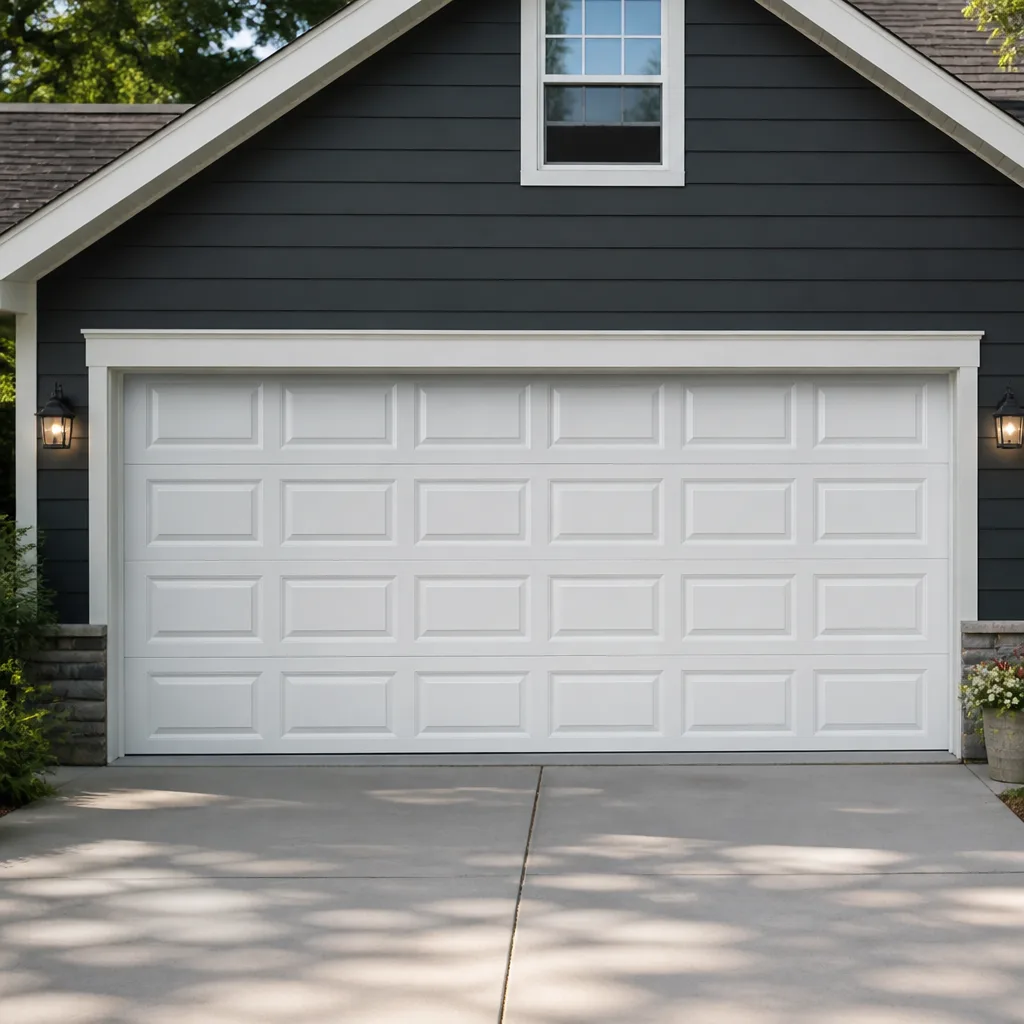 Raised-panel steel
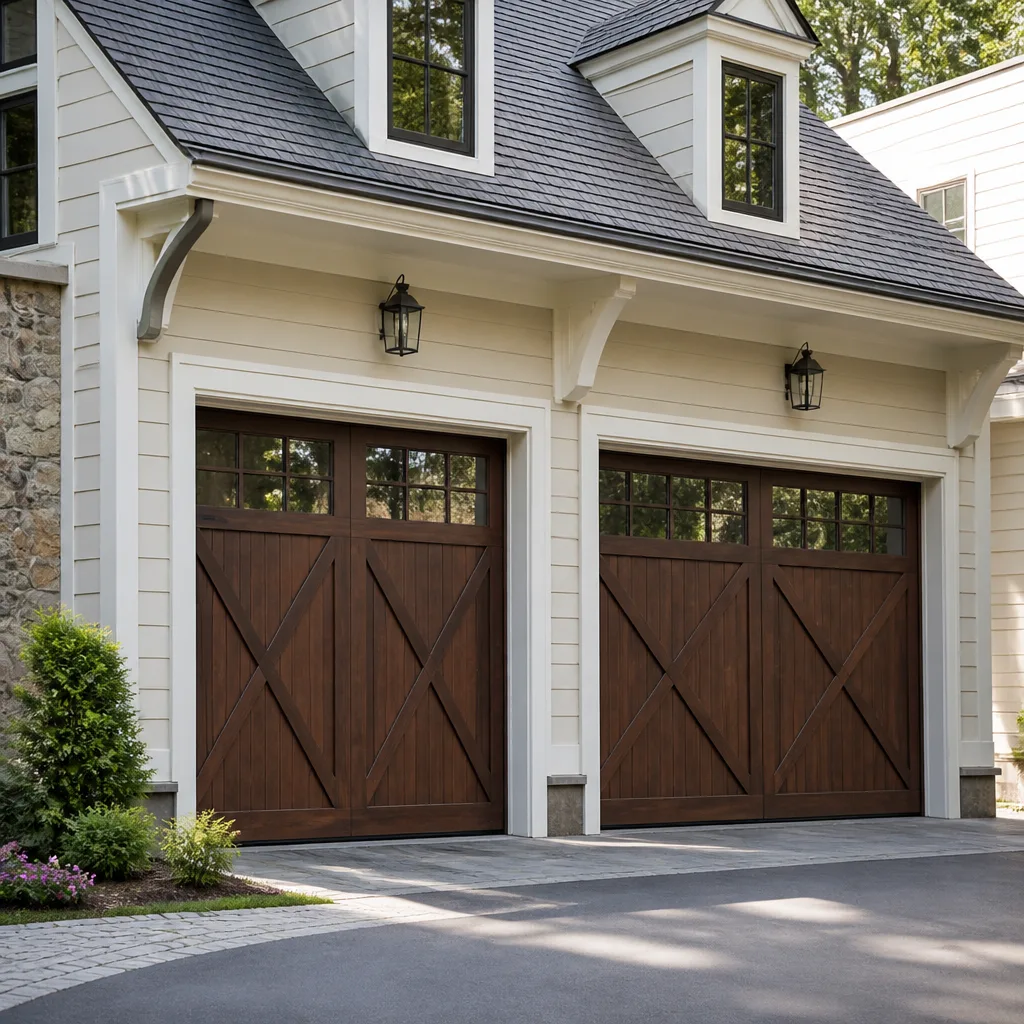 Carriage house
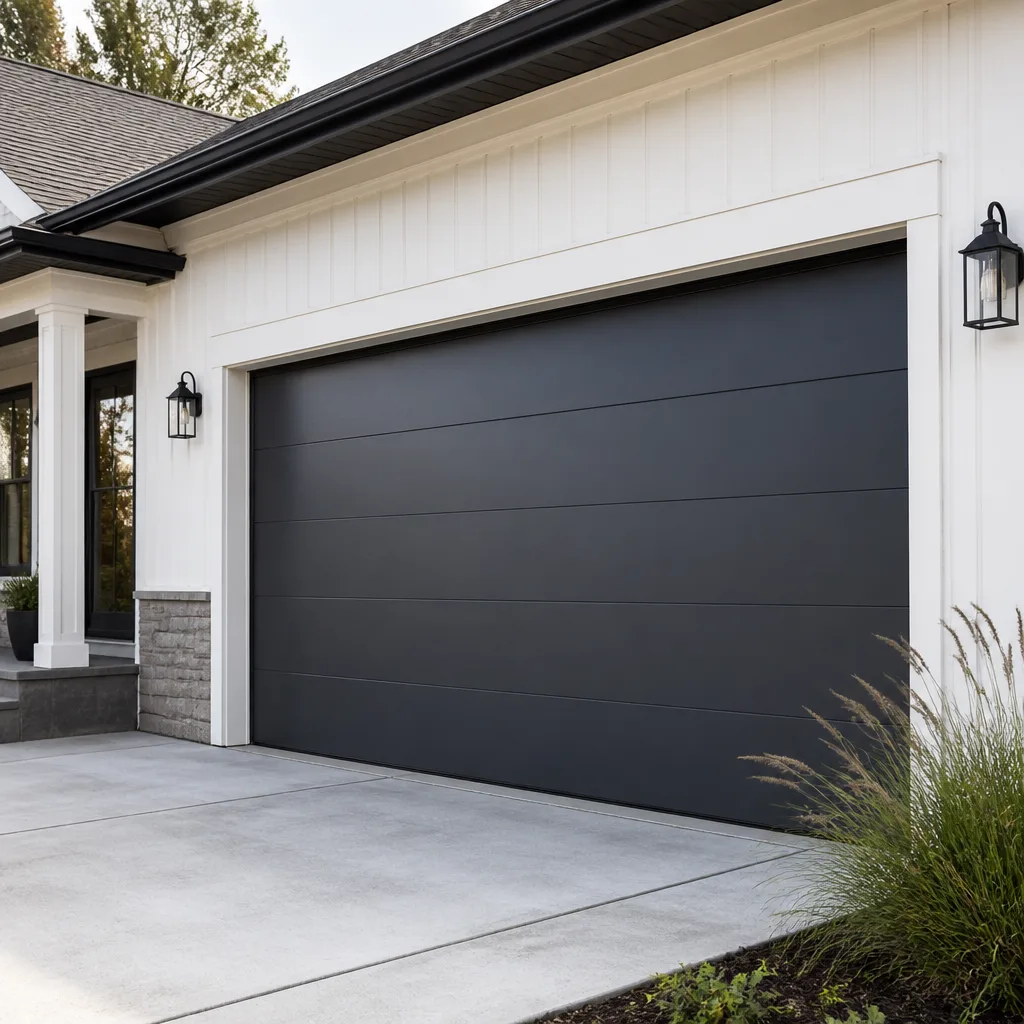 Modern flush
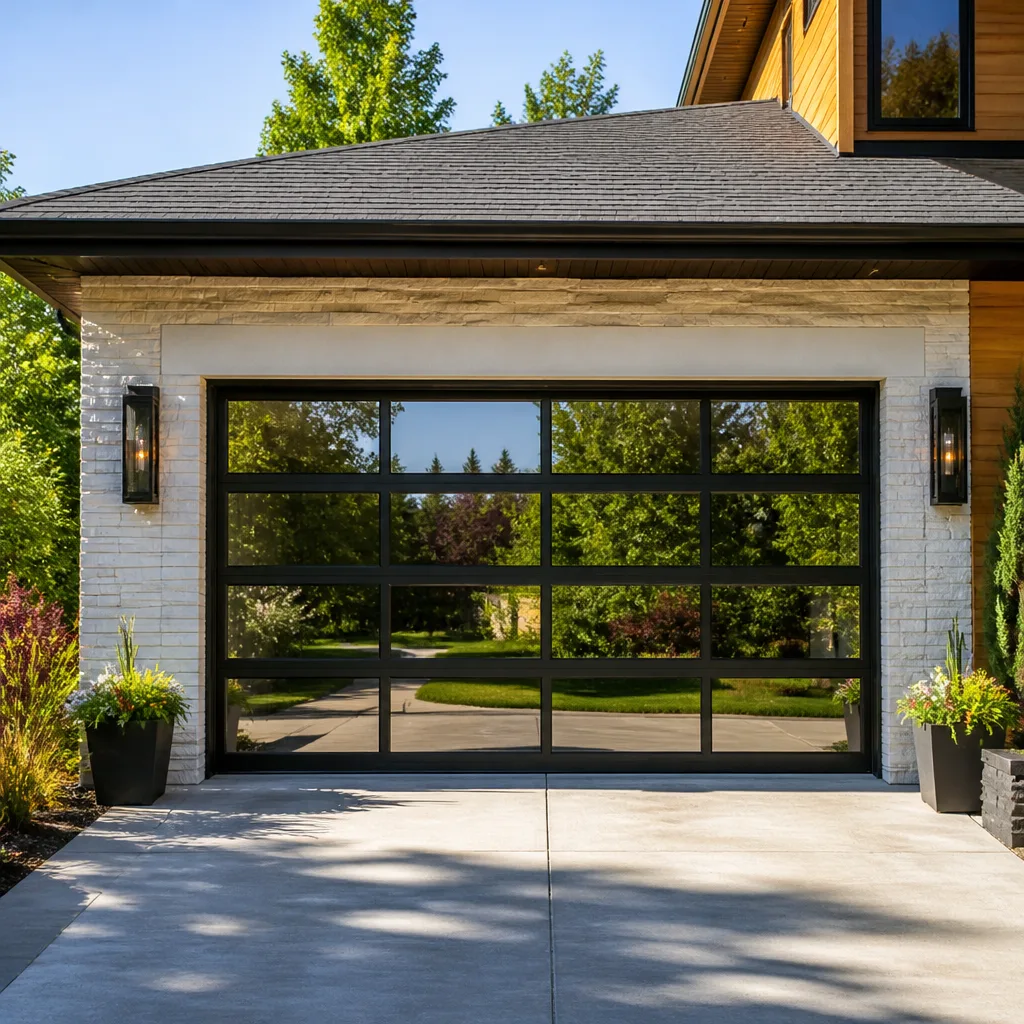 Full-view glass
 LiftMaster openers
 Chamberlain openers
Full 25-point door and opener safety check with every visit - springs, cables, rollers, tracks, and your LiftMaster or Chamberlain opener included
You get a price before we start. It does not change when the pro arrives.
Get your free estimateGarage Door Permits, Codes & Inspections in Issaquah, WA: What You Need to Know
Most garage door replacements in Issaquah never touch a permit. A like-for-like swap of a Clopay or Amarr door in the same rough opening, same size, same header, usually falls under ordinary repair and maintenance – no city review, no inspection. That’s the common misconception in reverse: homeowners either assume every door needs a permit or assume none ever does. The truth sits in a narrow, specific middle ground involving structural changes, fire-rated walls, and jurisdiction lines that run right through Issaquah. This guide walks through where that threshold is, which authority governs your property, and what an unpermitted door from a previous owner means when you sell.
Quick Answer
In Issaquah, a straight garage door replacement of the same size in the same opening normally does not require a building permit. You likely need a permit when the job alters the structural framing, modifies the rough opening dimensions, changes or cuts a fire-rated assembly between an attached garage and the living space, or when the scope triggers an inspection under the jurisdiction that has authority over your address – the City of Issaquah or King County. When in doubt, the City of Issaquah’s building department is the source to confirm with, and the answer depends on exactly what the installation will touch.
Styles & brands we work with
- Raised-panel steel
- Carriage house
- Modern flush
- Full-view glass
- LiftMaster openers
- Chamberlain openers
Table of Contents
- When Does a Garage Door Replacement Require a Permit in Issaquah?
- City of Issaquah vs. King County: Which Authority Governs Your Property?
- Fire-Rated Assemblies and the Garage-to-House Door Under IRC R302.5
- HOA Approval and City Permit: Two Separate Processes That Can Collide
- What Actually Gets Inspected, and When
- Previous Owner’s Unpermitted Work: Retroactive Options and Disclosure Duties
- How the Door Type Changes the Permit Picture
- A Step-by-Step Permit Process for Issaquah Homeowners
When Does a Garage Door Replacement Require a Permit in Issaquah?
The line between “no permit” and “permit required” in Issaquah comes down to what the installation touches behind and around the door, not the door panel itself. A sectional door is a finish component. The framing that supports it is structure. When a job stays on the finish side, most homeowners never need to file anything with the city. When it crosses into structure, fire separation, or the rough opening, the rules change.
Here’s the practical framing we use when a homeowner asks us where their job falls:
- Same size, same opening, same header: no structural work, no permit in the typical case. This covers most replacements in Issaquah neighborhoods like Issaquah Highlands, Talus, and Klahanie where homes are often 15 to 30 years old and the original opening is intact.
- Changing door size or opening dimensions: if the new door needs a wider or taller rough opening, the header and jambs get modified, and that’s structural framing. Permit territory.
- Cutting into or altering a fire-rated wall assembly: any change to the separation between an attached garage and living space can trigger a permit and inspection, because that wall is a life-safety feature.
- Adding a new door where none existed: cutting a new opening in a wall is structural and requires a permit and, in most cases, engineering or a licensed designer’s input.
- Repairs only: spring replacement, opener repair, cable work, track adjustment, and panel swaps of matching size typically fall under repair and don’t need a permit.
The most common confusion is the homeowner who’s told by a neighbor “you don’t need a permit for a garage door” and then finds out their particular job did. The right question isn’t “does a garage door need a permit?” It’s “does this job touch structure or fire separation?” Answer that first, and the permit question usually answers itself. If you’re already planning a garage door repair, that’s a repair scope and the permit conversation rarely comes up.
City of Issaquah vs. King County: Which Authority Governs Your Property?
Issaquah’s city boundaries are a patchwork. Plenty of addresses carry an Issaquah mailing address but sit outside the city limits, in unincorporated King County. That matters because the permit authority changes depending on where you actually are, and the two offices have different forms, timelines, and review paths. A homeowner who submits to the wrong one loses weeks.
Here’s how to know which jurisdiction you fall under:
- Check your property record. King County’s parcel viewer shows whether your address is inside the City of Issaquah or in unincorporated King County. That’s the fastest determination.
- Look at your utility billing. If you pay Issaquah for water and sewer, you’re likely inside the city. If you’re on a private well or a county utility district, you may be outside.
- Confirm with the building department. A single phone call to the City of Issaquah’s building department with your address resolves any ambiguity before you submit anything.
Why does this matter for a garage door? Because the two jurisdictions sometimes interpret the same International Residential Code provision differently on what counts as structural versus cosmetic. A rough opening modification that Issaquah might review as a simple structural change could require additional detail in the county process. In our experience, the risk isn’t whether the code applies – it does in both places – it’s whether the submittal is complete the first time. Missing the difference between the two authorities is one of the more common reasons an Issaquah-area homeowner ends up resubmitting.
One more layer: some Issaquah-adjacent properties fall under the jurisdiction of neighboring municipalities, particularly around the Sammamish Plateau. If the address is on the eastern edge toward Sammamish or the northern edge toward Bellevue, double-check before you assume. When it’s unclear, ask questions of the city first and start the paperwork only after you have a firm answer.
Fire-Rated Assemblies and the Garage-to-House Door Under IRC R302.5
Here’s the provision most homeowners – and a surprising number of contractors – overlook. IRC R302.5 addresses the opening between an attached garage and the living space. It specifies that the door separating the two must be a solid wood door of a minimum thickness, a solid or honeycomb-core steel door, or a 20-minute fire-rated door, depending on the assembly and how it’s specified in your local adoption of the code. The door has a self-closing and self-latching requirement, and the assembly is treated as part of the home’s fire separation.
For garage door work specifically, that provision matters because:
- The door between the attached garage and the house is a distinct component from the vehicle door, and it’s the one subject to R302.5.
- Any change that alters the wall between garage and house – enlarging the opening, changing the door itself to a non-compliant type, adding a new pass-through door – can pull the assembly into a permit and inspection review.
- A vehicle door installation that alters the header or the wall assembly in an attached garage can indirectly affect that separation wall, which is why the fire-rated assembly comes up in installations that seem, at first glance, to be about the vehicle door only.
In Issaquah, most single-family homes built in the 1980s forward have an attached garage and a compliant fire-rated door from the start. The issue surfaces when a homeowner replaces that door with something decorative that isn’t rated, or when a door installation changes the wall assembly on the garage side. When the assembly is intact and untouched, the R302.5 requirement is satisfied by the original construction. When it’s not, the fix is usually a compliant door – and sometimes a permit. This is one of the reasons a door installation is worth walking through carefully rather than treating as a cosmetic swap; if you want a broader view of how an installation should be sequenced, our page on Issaquah Garage Door Repair Pros covers the full scope from repair through replacement.
HOA Approval and City Permit: Two Separate Processes That Can Collide
A city permit and an HOA architectural request are different approvals from different authorities – and getting one does not satisfy the other. This is a common friction point in Issaquah, where subdivisions like Issaquah Highlands and Talus have active architectural review committees with documented design standards.
The two processes answer different questions:
- The city permit asks: does this comply with building code, zoning, and structural safety?
- The HOA approval asks: does this match the design guidelines for the neighborhood?
You can pass the code review and fail the HOA, or pass the HOA and need a permit. The classic conflict is a homeowner who chooses a Clopay door in a color or design the HOA has approved for its aesthetic guidelines, then learns the installation itself requires a permit because it changes the rough opening. Or the reverse: the permit clears quickly, then the HOA flags the door for not matching the color-and-material palette the community has settled on.
Here’s the order we recommend for Issaquah homeowners:
- Read your HOA’s architectural guidelines first, before choosing a door. The design limitations are usually more restrictive than what the code allows.
- Submit the HOA architectural request with the exact door model, color, and material. A Clopay or Amarr door spec sheet usually settles the design question quickly.
- Determine whether a permit is required based on whether the installation touches structure, rough opening, or fire separation.
- File the permit if needed and note that the installation sequencing may depend on the inspection schedule.
- Keep both approvals on file – HOA letters and permit records are useful at resale.
Neither approval can substitute for the other, and neither process is optional if your community has adopted it. Plan for both from the start, and you won’t be caught between them at the wrong time.
What Actually Gets Inspected, and When
If a garage door project does require a permit in Issaquah, the inspection scope is usually narrow and specific to what the permit was issued for. The inspector isn’t there to grade your new door’s finish. They’re verifying that the structural or fire-related work built into the permit matches what was approved.
The inspection typically covers:
- The structural opening or header modification if the job altered it. The inspector confirms the as-built dimensions and framing match the approved plan.
- Fire separation elements if they were part of the scope – the integrity of the wall between an attached garage and living space, and any door assemblies within it.
- Fastening and attachment where the permit specifically concerns the door’s structural connection to the framing.
What’s usually not inspected: the door’s cosmetic finish, the opener’s electrical connection beyond safety requirements, and standard spring or cable components. The inspection is targeted at the structural and life-safety scope the permit addressed, not the whole installation.
Two timing points that trip people up. First, the permit has to be issued before work starts – pulling it after the fact is far more complicated. Second, the inspection timing follows the city’s schedule, not the installer’s. If you’re aiming for a specific completion date, ask about the inspection timeline early. For the mechanical side of a job – the springs, cables, and opener – our page on garage door spring repair covers what falls under routine repair rather than permitted work.
Previous Owner’s Unpermitted Work: Retroactive Options and Disclosure Duties
Now to the scenario that surfaces at the worst possible moment: you’re selling your Issaquah home, the buyer’s inspector notes that the garage door or header modification appears to have been done without a permit, and suddenly your closing timeline is in question. Unpermitted work from a previous owner is common, and there’s a clear way to think about it before it becomes a problem.
Two paths exist, and both are better taken before a sale is on the line:
- Retroactive permit. Most jurisdictions allow a homeowner to apply for a permit after the fact. It usually requires bringing the work up to current code or demonstrating it already complies – sometimes through an as-built drawing and an inspection. The City of Issaquah’s building department is the authority to ask about the process for your specific situation.
- Disclosure. If you know of unpermitted work, most real estate transactions require you to disclose it on the seller’s disclosure form. Disclosing and moving forward with the buyer (or remediating before listing) is a much cleaner path than having it discovered at inspection.
In our experience, the worst case isn’t unpermitted work itself – it’s a sale that stalls because the buyer’s lender or title company wants documentation that doesn’t exist. If you’re unsure whether the door on your Issaquah home was installed to code, especially a door that came with the house, the option is to have it assessed. A door installation review can tell you whether the structural header and fire separation are intact and whether the installation matches standard practice. That kind of assessment often settles the seller’s side of the conversation before it starts.
The takeaway: if you inherited work you’re not sure was permitted, deal with it now. Not the week before closing.
How the Door Type Changes the Permit Picture
Not every replacement carries the same permit risk. The door’s design and weight determine how much structural work the installation requires, and that circles back to the permit threshold we laid out earlier. A standard replacement on a home in Klahanie is usually a straightforward swap. A larger or heavier door that requires a header change is a different job.
Here’s how the door profile affects the question:
- Standard single or double door in the existing opening: the lowest permit risk. The framing is untouched and the job usually falls outside permit scope.
- Insulated double door with heavier panel construction: usually still within the same rough opening, but the weight load may make the installer recommend verifying the headroom, spring capacity, and track attachment points first.
- Door with a nontraditional design that requires a different opening size: this almost always touches the rough opening and can require a permit.
- Full installation on a new opening or a home with no existing vehicle door: structural scope, permit-required in nearly every case.
The brands we service most often in Issaquah homes – Clopay, Amarr, Wayne Dalton among them – all offer standard replacements that stay inside the original opening. The key decision is whether the new door is a same-size swap or a size or profile change. If you’re replacing the opener alongside the door, note that opener work is a separate scope and typically doesn’t affect the permit question. Our page on garage door opener repair covers that side in detail.
One more wrinkle: heavier doors put more load on the spring system, and if the springs need to be upgraded as part of the installation, that’s a normal part of the job, not a permit item. But it does mean the safety-critical work should be done by someone who does it as a specialty, not as an afterthought. Genie and LiftMaster openers also have headroom and mounting requirements that can affect how the installation is planned.
A Step-by-Step Permit Process for Issaquah Homeowners
If your job does require a permit, here’s the sequence that works in Issaquah, whether you’re inside city limits or in unincorporated King County:
- Confirm your jurisdiction. Check your property record against the City of Issaquah boundary. If you’re outside it, verify with King County instead.
- Define the exact scope. Is this a same-size replacement, a rough opening change, or a fire separation modification? The permit application depends on that answer.
- Contact the building department with the address and scope. Ask directly whether a permit is required for what you’re proposing. Get a name and note the date of the conversation.
- If a permit is required, submit the application with drawings or plan details of the structural or fire-rated work. For a header modification, that may include engineered details.
- Schedule the inspection within the permitted scope at the point the work is exposed for review – before covering structural elements.
- Keep every document the HOA letter, the approved permit, and the inspector’s sign-off. These become useful at resale and helpful if you ever refinance.
The whole process tends to be short when the scope is narrow and complete, and drawn out when the application is missing details. If you’re unsure where your job sits before starting, our page on garage door repair is a practical starting point for the mechanical side, and a conversation about the installation scope is where the permit question gets answered.
Common Mistakes to Avoid
- Assuming a replacement always needs a permit. Most same-size replacements in Issaquah don’t. Filing for a permit you don’t need wastes time and money on both sides.
- Assuming a replacement never needs a permit. The opposite mistake is more damaging. If the job touches a header or fire separation, skipping the permit creates a problem you may only discover at resale.
- Treating the HOA and the city as the same approval. They aren’t. Passing one doesn’t mean passing the other, and Issaquah neighborhoods with active architectural review committees enforce both.
- Overlooking the R302.5 garage-to-house door. Replacing that door with a non-rated option is a code violation even when the vehicle door installation itself is clean.
- Pulling the permit after work starts. Retroactive permitting is possible but usually more expensive and stressful than filing beforehand.
- Ignoring the jurisdiction boundary. An Issaquah mailing address doesn’t always mean a City of Issaquah address. Filing with the wrong authority is a common source of delay.
- Leaving unpermitted work from a previous owner unaddressed. Whether you’re staying or selling, verify and document. The alternative is a surprise during the sale.
See the difference
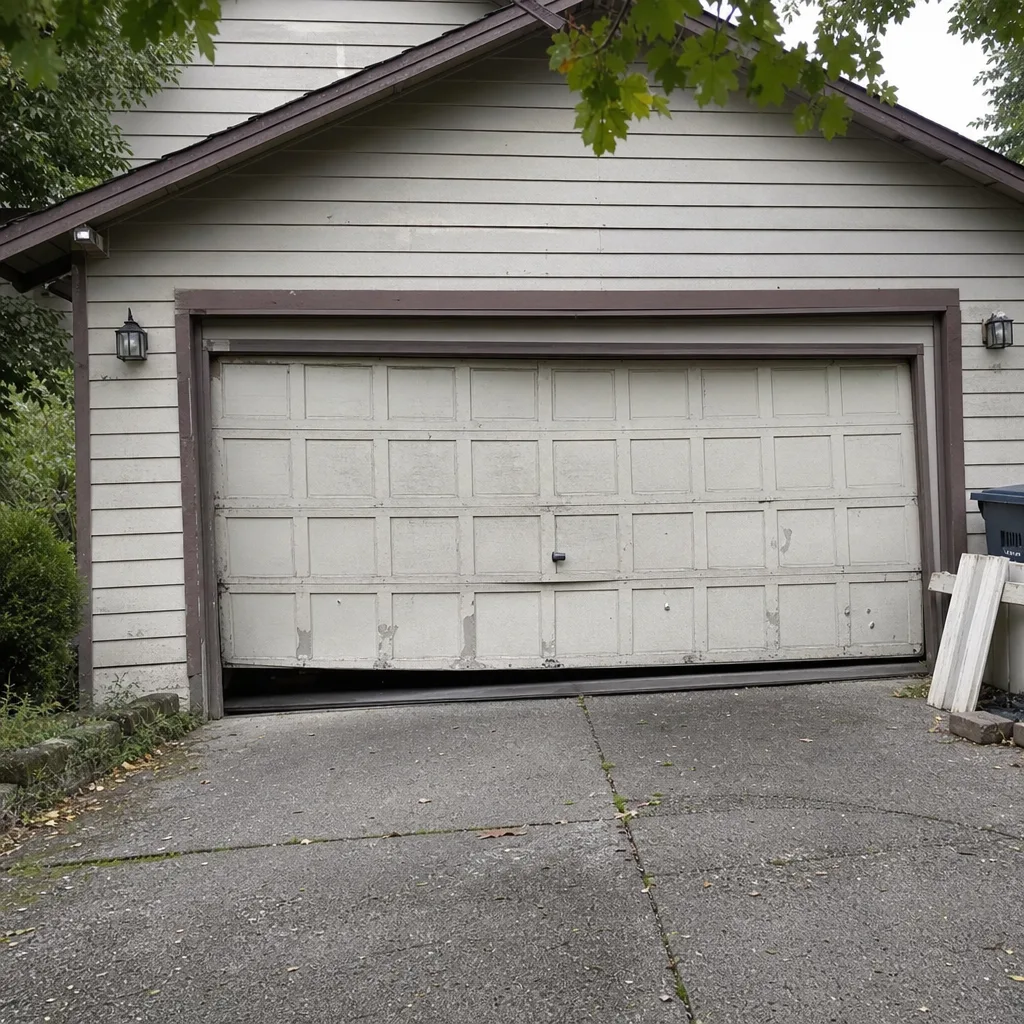 Before
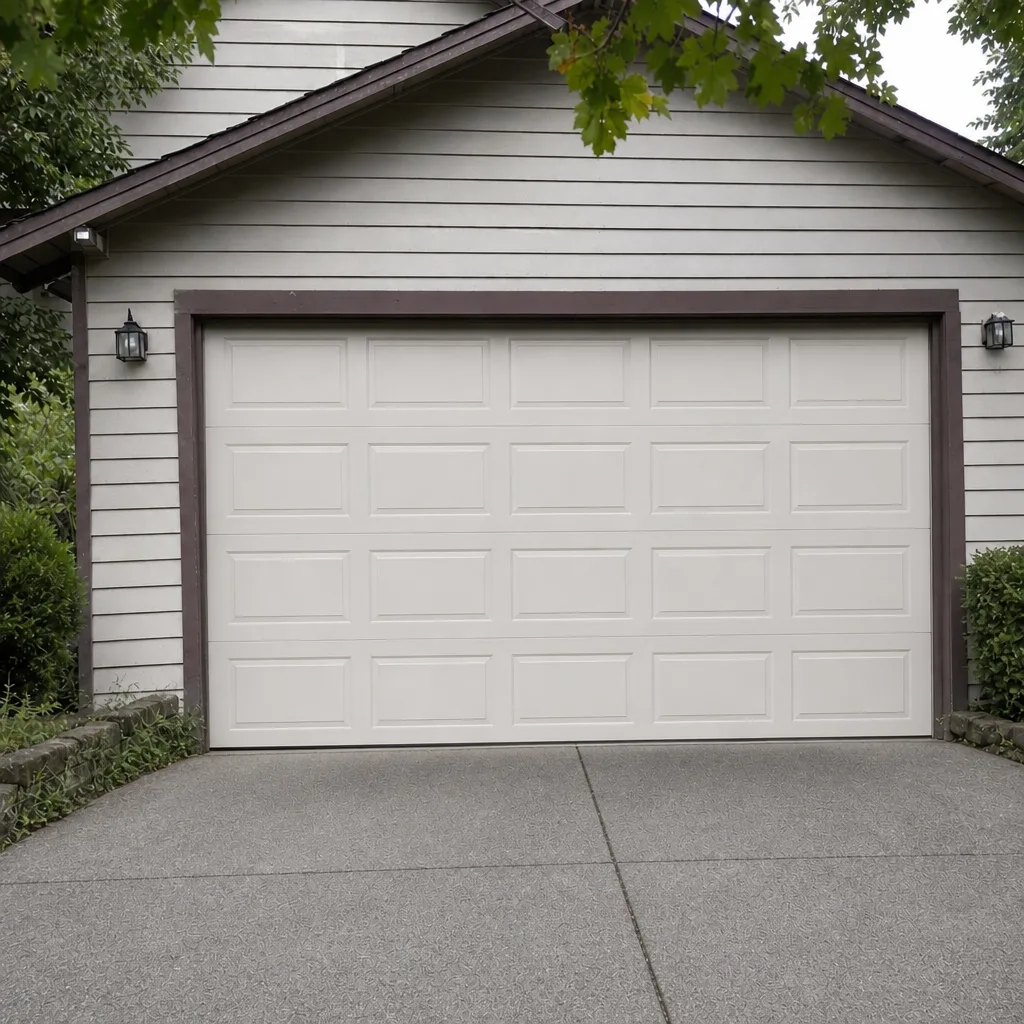 After
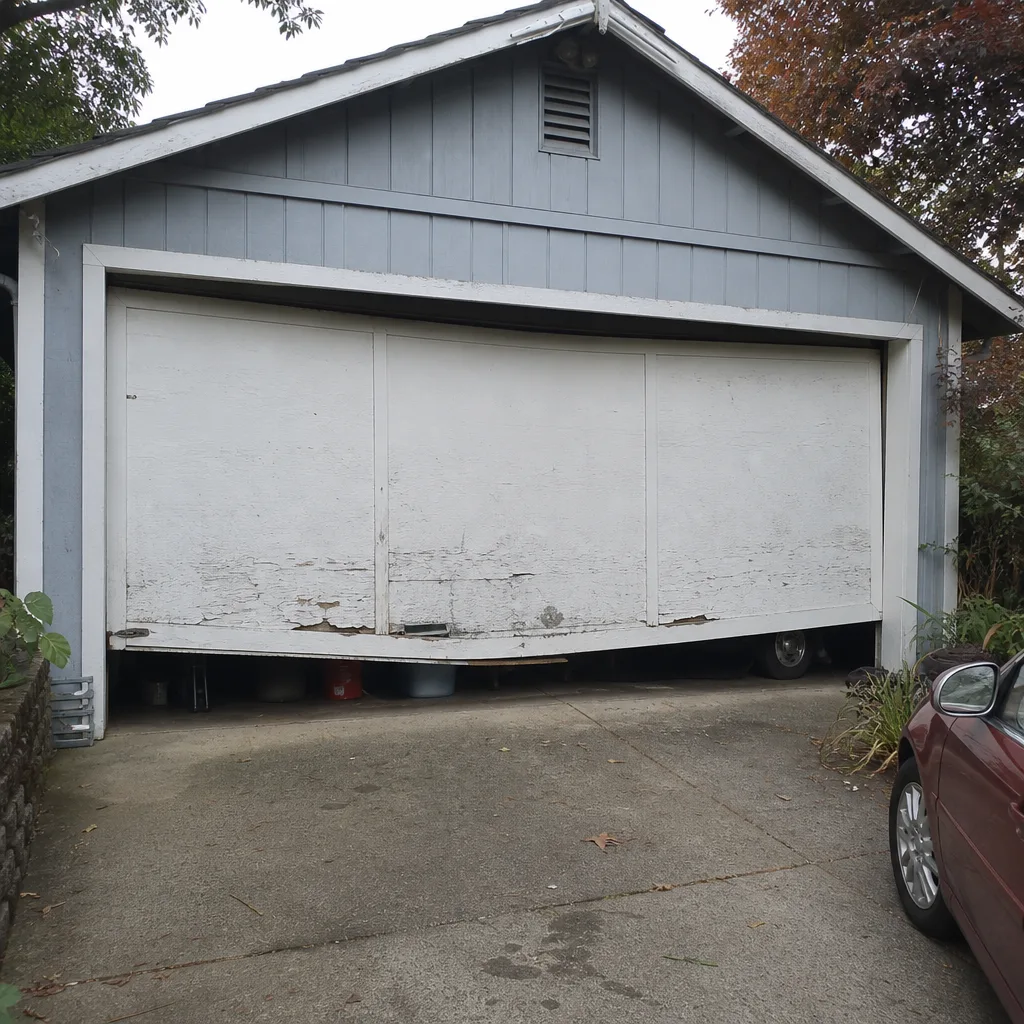 Before
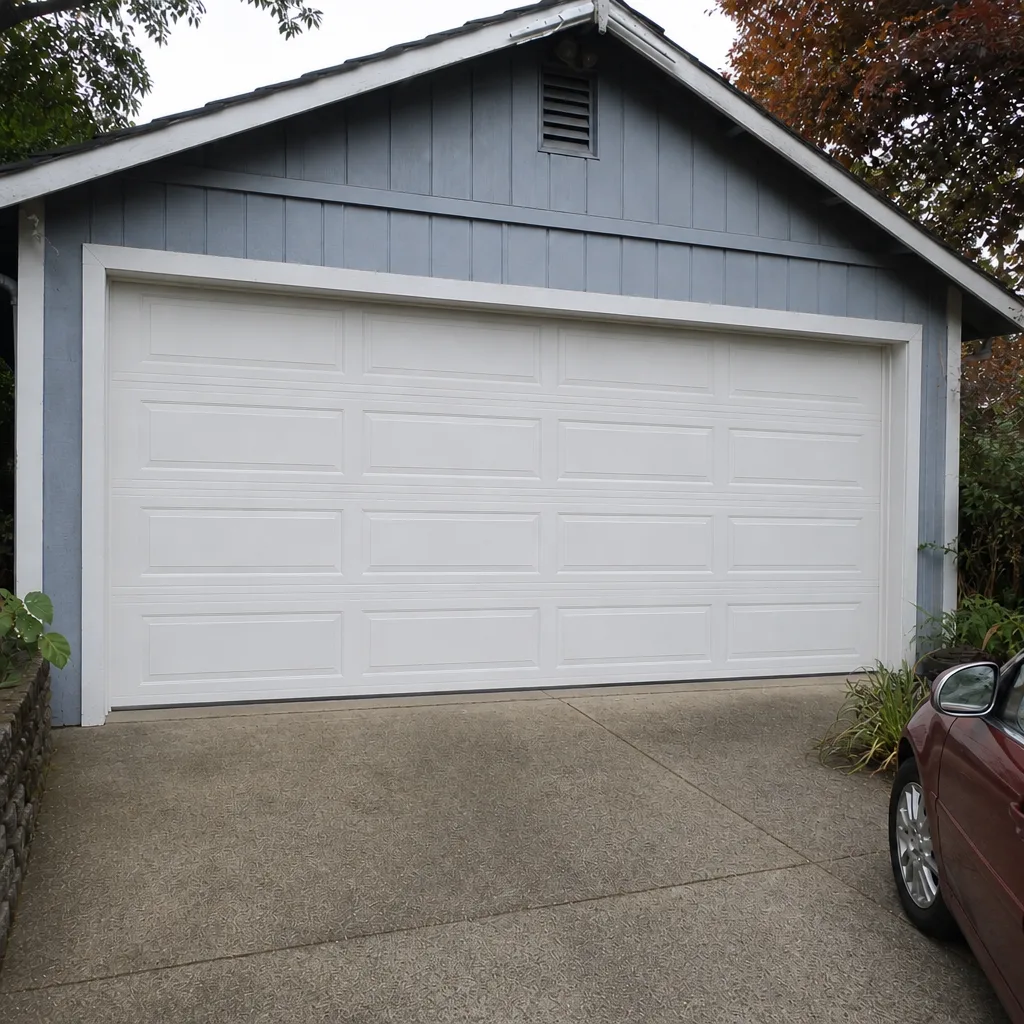 After
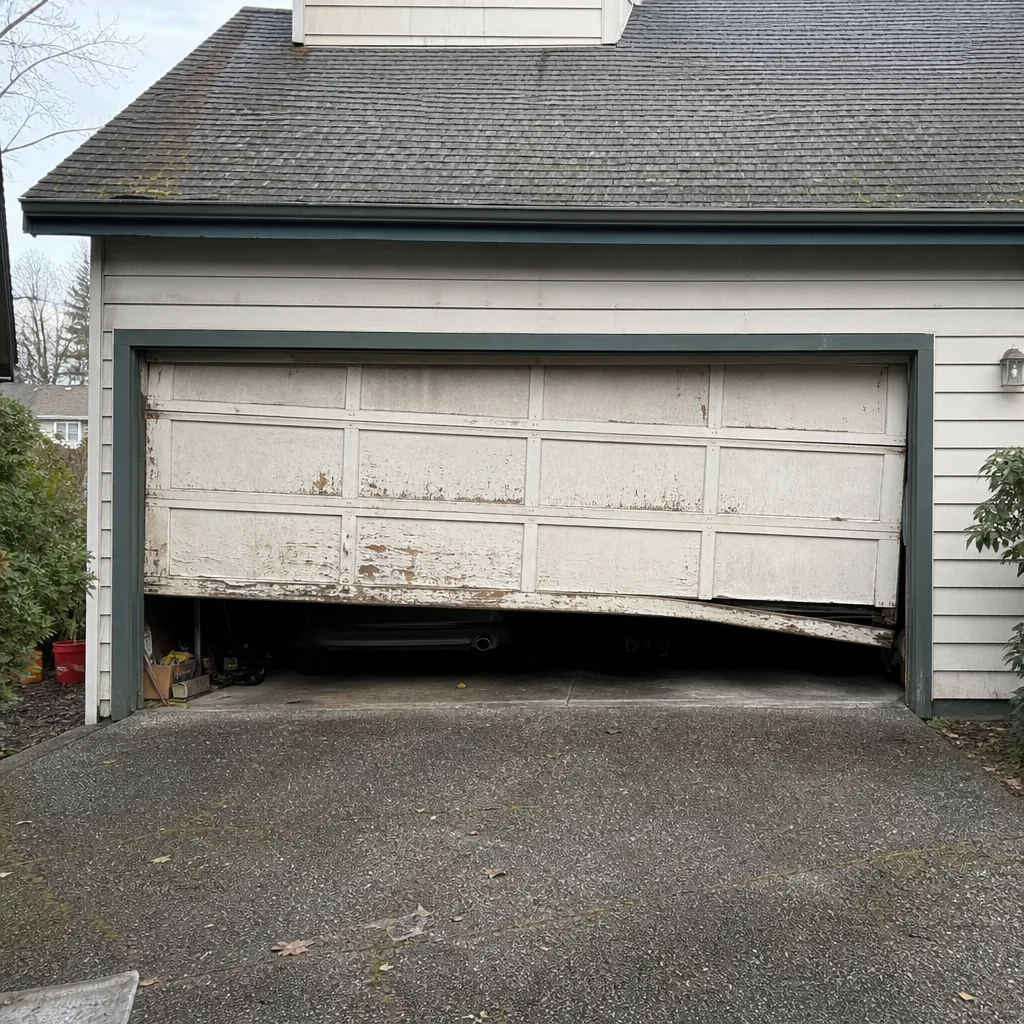 Before
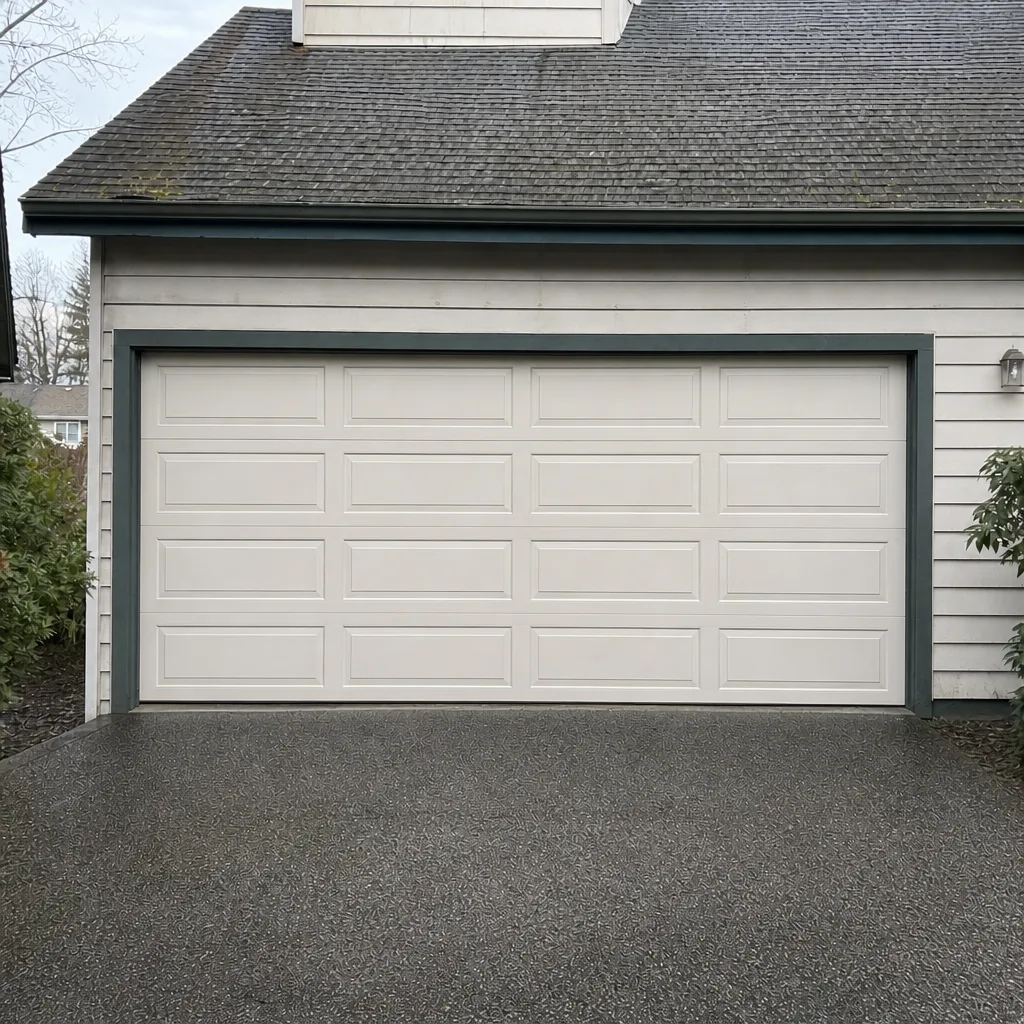 After
When to Call a Professional
Some parts of a garage door job genuinely belong to a trained technician, not a homeowner. Spring replacement and cable work are the obvious ones: the torsion system stores enormous energy, and a mistake there can cause serious injury. However, the permit question is a case where a quick assessment usually saves far more than it costs. If your installation touches the header or any fire-rated wall, if the door size is changing, or if you’re inheriting work from a previous owner and need it evaluated, call a company that handles the full scope from repair through installation and understands what the permit authority expects. Issaquah Garage Door Repair Pros offers free estimates in Issaquah – call (833) 754-9516.
Frequently Asked Questions
Usually not, if it’s a same-size replacement in the existing rough opening. You likely need a permit only when the installation alters the structural framing, changes the rough opening dimensions, changes a fire-rated assembly between an attached garage and the living space, or cuts a new opening. The City of Issaquah’s building department is the authority to confirm with. Call (833) 754-9516 for a scope review before you commit.
They’re issued by different authorities and follow different submittal processes. Properties inside Issaquah city limits submit to the City of Issaquah; properties in unincorporated King County submit to King County. Some addresses with an Issaquah mailing address are actually in unincorporated areas. Check your property record, then confirm with the appropriate building department before filing. A quick call is cheaper than resubmitting.
R302.5 addresses the separation between an attached garage and the living space and specifies a compliant solid or fire-rated door with self-closing and self-latching hardware for that assembly. It’s a life-safety requirement that applies to the pass-through door between the garage and the house, not the vehicle door itself – though a vehicle door installation that alters the shared wall can bring the assembly into a permit review. Keep the original compliant door intact and you’re on the right side of the requirement.
Yes, in most cases. Retroactive permitting is available through the City of Issaquah or King County, and it usually requires demonstrating the work complies with current code – sometimes through an as-built drawing and inspection. It’s a live option if a previous owner did unpermitted work, but it’s much easier to file before rather than after. If you’re selling, disclose it on the seller’s disclosure form and either remediate or apply for retroactive permits before closing.
Almost certainly, if your Issaquah neighborhood has an architectural review committee with documented design standards. This is a separate approval from the city permit – the HOA reviews color and materials, the city reviews code compliance. Submit the HOA request with the exact door model, color, and material before installation, and get the approval in writing. Our team at Issaquah Garage Door Repair Pros works with Clopay, Amarr, and Wayne Dalton doors, which typically have spec sheets that make the HOA submittal straightforward.
A standard single door replacement in the Issaquah market typically runs in the estimated range of $900 to $2,100 installed, and a double door replacement typically runs in the estimated $1,600 to $3,500 range depending on door profile and hardware. If a permit is required, expect permit fees and inspection costs on top of that, usually a few hundred dollars. The written estimate from the company sets the final price. Call (833) 754-9516 for an exact quote – estimates are free.
The Bottom Line
The permit question for a garage door in Issaquah is narrower than most homeowners expect, but the consequences of getting it wrong are real – – especially at resale. A same-size replacement in the same opening is routine and typically needs no permit. A structural change, a rough opening modification, or any change to the fire-rated assembly between an attached garage and living space is where a permit and an inspection come in. Know your jurisdiction, respect the R302.5 fire separation door, get the HOA approval in writing, and deal with any inherited unpermitted work before it becomes a closing problem. If you’re unsure where your job falls, a scope review costs nothing and answers the question directly. Call (833) 754-9516 for a free estimate.
Written by the team at Issaquah Garage Door Repair Pros.