Last updated November 20, 2026
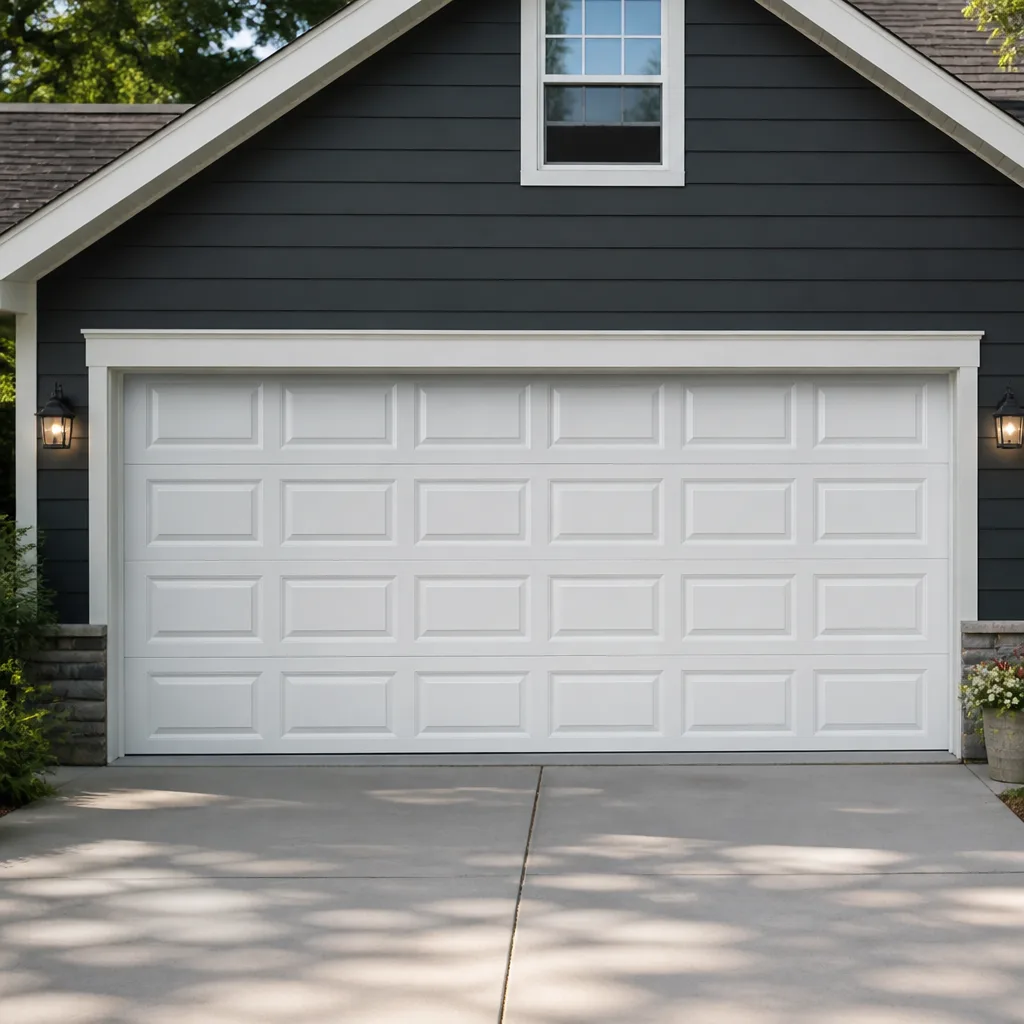 Raised-panel steel
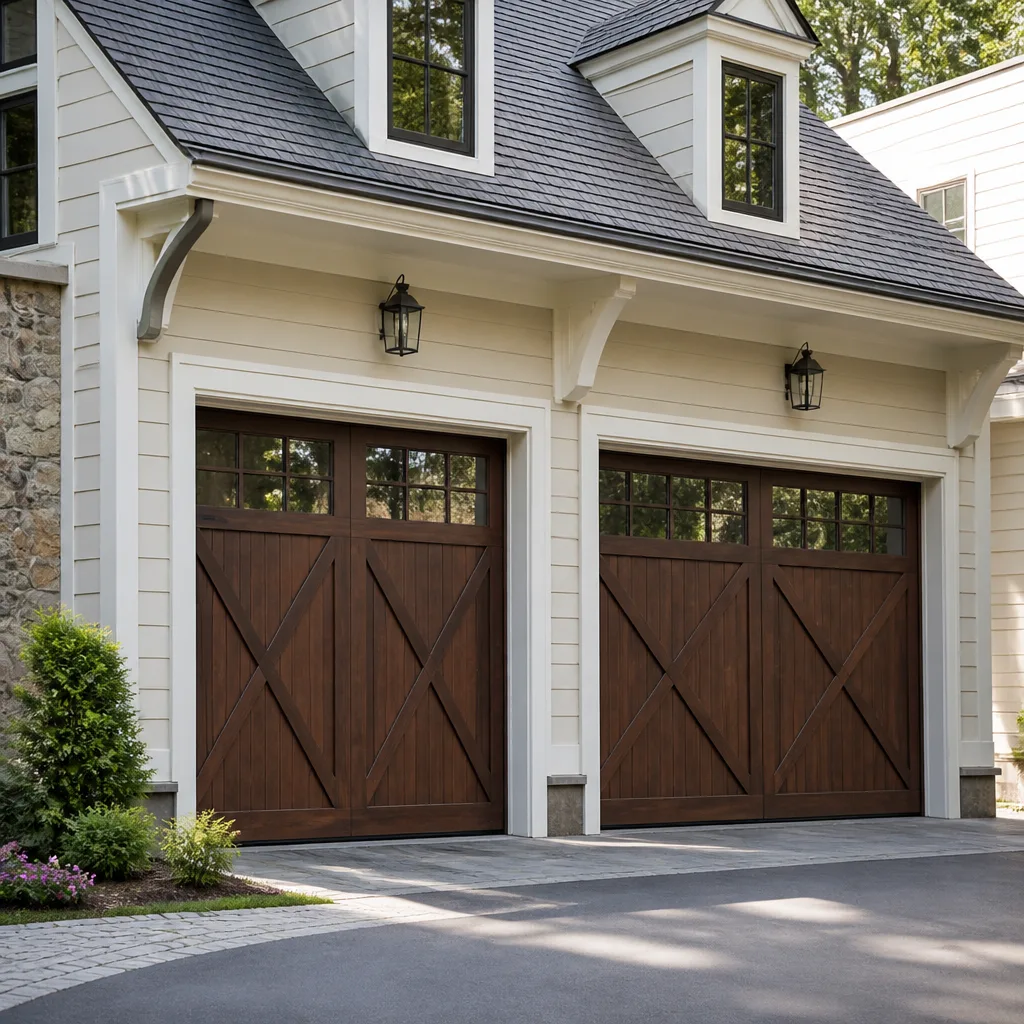 Carriage house
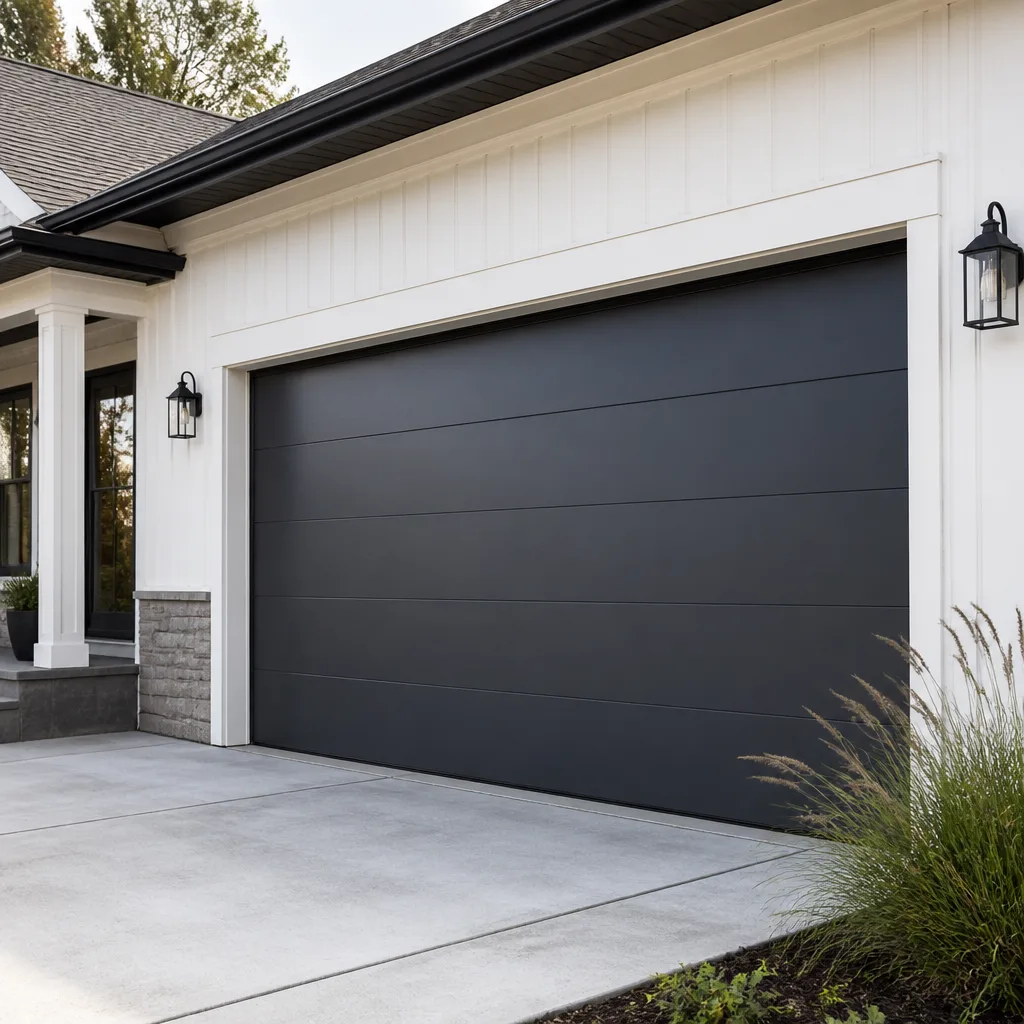 Modern flush
 Full-view glass
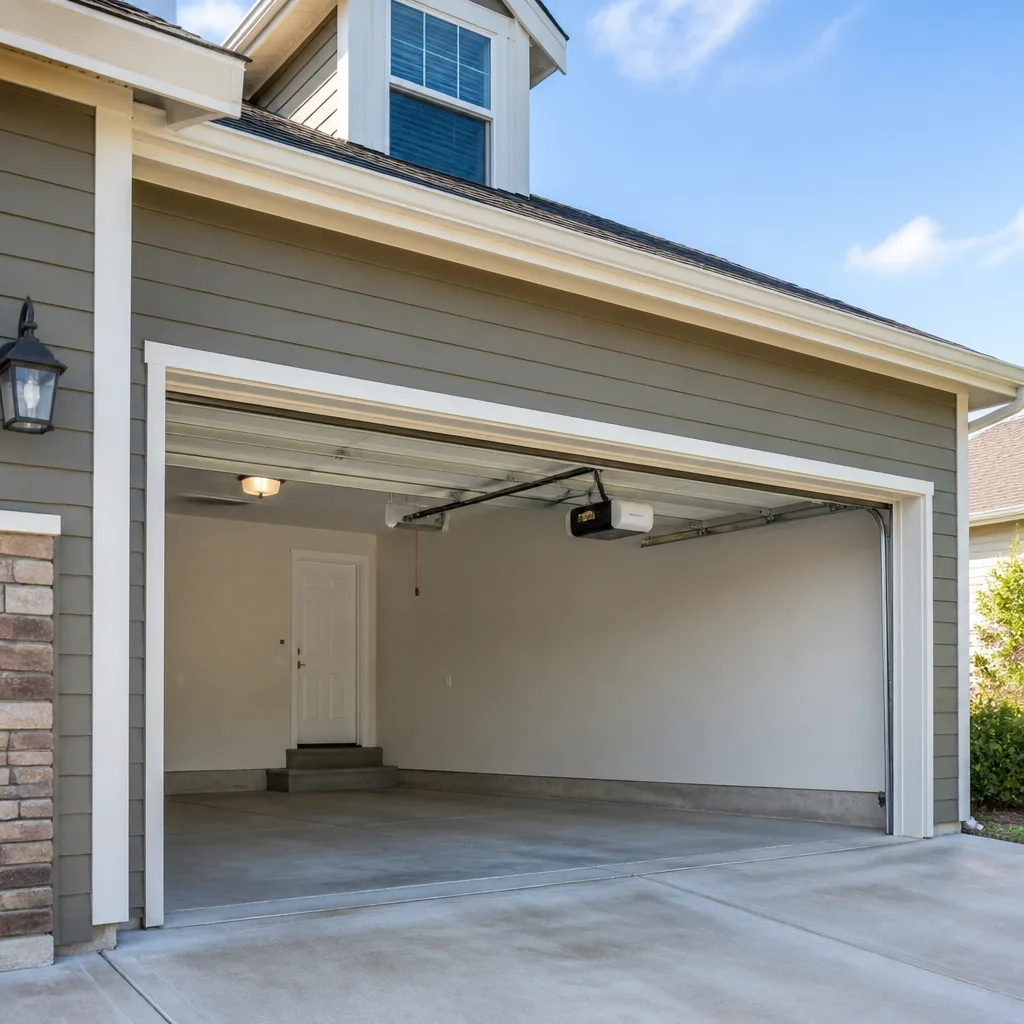 LiftMaster openers
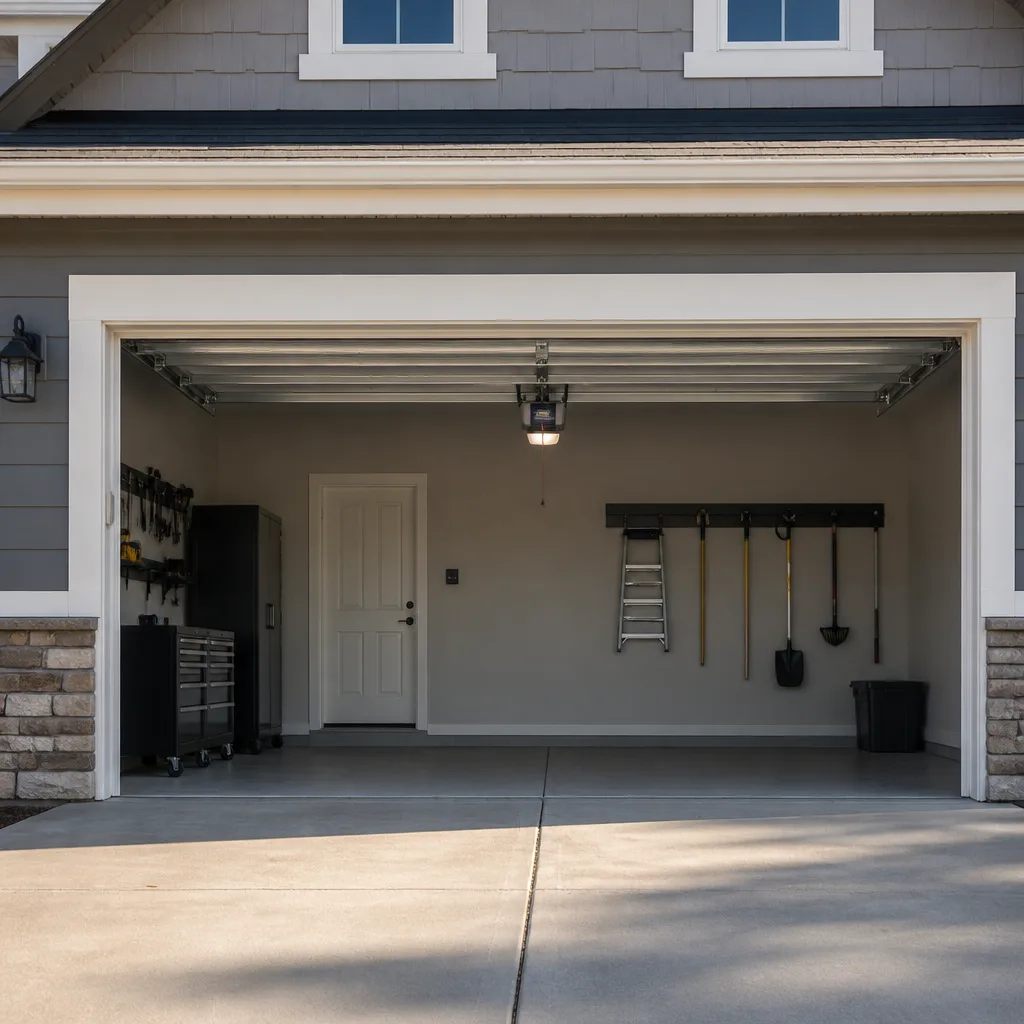 Chamberlain openers
Full 25-point door and opener safety check with every visit - springs, cables, rollers, tracks, and your LiftMaster or Chamberlain opener included
You get a price before we start. It does not change when the pro arrives.
Get your free estimateGarage Door Emergency Preparedness Guide for Issaquah Homes
Most Issaquah homeowners think a garage door emergency means a snapped spring or a dented panel. In our experience, the more common call after a big storm isn’t hardware failure at all – it’s a power outage, a door sitting dead in the tracks, and an owner who has never once touched the red release cord hanging from the opener trolley. The door was fine. The knowledge wasn’t there.
This guide fixes that. You’ll learn how the manual release actually works (including the re-engagement step most guides skip), the specific ways Issaquah weather and terrain turn a stuck door into a real problem, what to do the moment a spring breaks, and how to describe damage to a technician so the right parts show up the first time. Some of this you can handle yourself in two minutes. Some of it you should never touch. We’ll draw that line clearly.
Quick Answer
A garage door emergency in Issaquah usually comes down to three things: a power outage that leaves the door stuck, a door frozen to the threshold after a cold snap, or a broken spring that makes the door unsafe to move by hand. The single most important skill is knowing how to use your manual release cord and how to safely reconnect the opener afterward. For anything involving springs, cables, or a door off its tracks, stop and call a trained technician.
Styles & brands we work with
- Raised-panel steel
- Carriage house
- Modern flush
- Full-view glass
- LiftMaster openers
- Chamberlain openers
Table of Contents
- How Do You Use the Manual Release Cord Safely?
- What Most Guides Skip: Reconnecting the Opener After an Outage
- Power Outages and Windstorms: Issaquah’s Most Common Scenario
- What to Do When Your Door Freezes to the Threshold
- Off-Track Doors on a Sloped Driveway
- What to Do if a Spring Breaks Mid-Operation
- Building a Garage Emergency Kit (and What Not to DIY)
- How to Assess Damage and Describe It to a Technician
How Do You Use the Manual Release Cord Safely?
The manual release cord disconnects your door from the opener so you can lift it by hand during a power failure. It hangs from the trolley that rides along the opener rail, usually with a red handle. Pulling it is simple. Doing it safely, with a door that won’t come crashing down, takes a few checks first.
Before you pull anything, understand what the release does and doesn’t do. It separates the door from the motor. It does not add lifting power, and it does not make a heavy or broken door safe. If a spring is broken, the door’s full weight is now yours to manage – and that’s a job for a professional, not a shoulder press.
Here’s the sequence we walk homeowners through:
- Close the door first if you can. A door released in the open position can drop fast. If the door is already down, you’re in the safest starting position.
- Clear the doorway. Make sure no one is standing under or near the door before you release it.
- Pull the cord straight down and toward the door. You’ll feel the trolley let go. The door is now on manual.
- Lift slowly with both hands using the bottom section, and only if the door feels balanced and light. If it feels heavy or won’t stay up, stop.
- Prop or secure the door if you need it open for more than a moment. A door on manual has nothing holding it up but friction and balance.
In Issaquah, where a lot of homes sit on grades and driveways slope down to the street, a door that drops unexpectedly is more than a nuisance. It’s an injury risk. Treat the release with the same respect you’d give any heavy overhead mechanism. When in doubt, call before you pull.
What Most Guides Skip: Reconnecting the Opener After an Outage
Here’s the part almost every online guide leaves out. Once the power comes back, your door doesn’t automatically reconnect to the opener. The trolley is still disengaged, and if you just hit the button, the opener runs but the door doesn’t move – or worse, it tries to force a misaligned connection and jams.
Re-engagement is mechanical, and it needs to happen with the door in the right position. The general process looks like this:
- Leave the door closed (or in the down position) so the trolley and carriage line up.
- Find the release lever on the trolley – it’s the same assembly the cord attaches to.
- Flip or push the lever back toward the opener until it clicks into the engaged position. Some openers use a lever you push; others need the carriage nudged by hand.
- Run the opener once with the door in view. Watch the first full cycle. If the door moves smoothly and stops correctly, you’re reconnected.
- Test the safety reverse. Put a small object in the door’s path and confirm it reverses on contact. If it doesn’t, stop using the opener and get it checked.
Two things trip people up here. First, if the door was moved by hand while disconnected, the trolley may not line up with the carriage, and the lever won’t engage. Second, a door that was manually lifted and left partway can be out of balance when you reconnect, which strains the opener and can bend the rail. If the door doesn’t feel right after reconnecting, that’s a sign to have a technician look at it rather than force another cycle. This is also a good moment to check whether an opener upgrade makes sense – a modern LiftMaster or Chamberlain unit handles power interruptions and reconnection more gracefully than older hardware, and the safety features are worth having. If yours is older, our garage door opener repair service covers both fixes and upgrades.
Power Outages and Windstorms: Issaquah’s Most Common Scenario
Issaquah sits where the Cascade foothills meet the lowlands, and that geography funnels wind through the valley in a way that takes down tree limbs and power lines during fall and winter storms. Multi-day outages happen here. When the grid goes down, so does your garage door – and for a lot of Issaquah homes, that door is the primary way in and out of the house.
The reason this catches people off guard is timing. Power failures rarely announce themselves. You come home, hit the remote, and nothing happens. If you’ve never used the release cord, you’re now standing in your driveway with a car full of groceries and no way in except the front door – which you may not have a key for if you always drive in.
A few Issaquah-specific things worth planning for:
- Know your release cord before you need it. Locate it now, while the power’s on, and read the label. Many cords have instructions printed right on them.
- Keep a house key accessible that isn’t dependent on the garage. If your only entry is through the garage, a power outage locks you out.
- Check your opener’s battery backup. Some newer openers – including certain LiftMaster and Chamberlain models – have a battery backup that keeps the door working for a limited time during an outage. If yours does, test it before storm season.
- Don’t force a dead door. If the door won’t budge by hand after releasing it, something mechanical is wrong, not just the power.
If a storm leaves your door jammed, off its tracks, or making a grinding sound, that moves from inconvenience to a repair. In those cases our garage door repair team can diagnose whether it’s a power-related issue or something the storm genuinely damaged.
What to Do When Your Door Freezes to the Threshold
Issaquah gets cold snaps where the temperature drops below freezing and stays there, and that’s when garage doors freeze to the ground. The rubber bottom seal bonds to the concrete threshold overnight, and the next morning the opener strains to lift a door that’s stuck fast at the bottom. People often force it, and that’s when the real damage starts – stripped gears in the opener, a bent bottom section, or a door pulled off its tracks.
The first sign is usually a door that lifts a few inches and then stops, or an opener that runs but the door doesn’t move. If you catch it, here’s what to do:
- Stop running the opener immediately. Every cycle with a frozen door adds strain to the motor and the lift mechanism.
- Release the door to manual so the opener isn’t fighting the freeze.
- Free the seal gently. Warm water along the bottom edge, or a gentle pry with a plastic tool, will break the bond. Never use a metal pry bar or a hammer near the seal or the door panels.
- Clear snow and ice from the threshold and the area in front of the door before you reconnect.
Once the door is free and moving, run one full cycle to confirm everything’s normal. If the opener still sounds strained or the door won’t stay aligned, something bent during the freeze and needs a look. A weather seal in poor condition makes this worse every winter, so check it in fall before the first freeze.
Off-Track Doors on a Sloped Driveway
A door that jumps its tracks is dangerous anywhere, but Issaquah’s hilly lots make it worse. Many driveways here slope toward the street or toward the house, and a door that comes off track on a grade can swing or drop with more force than it would on flat ground. It can also leave your garage open to the weather and to anyone walking by – and in a neighborhood, that’s a security concern, not just a repair.
If you find the door off track, the safest response is to leave it alone and call. Here’s why we say that: getting a door back on track means getting it level, square, and properly seated in the rollers – and doing that with a door that’s hanging by one side risks it coming down on you. It’s not a job for a screwdriver and an afternoon.
What you can do right away:
- Keep people and cars clear of the doorway until it’s fixed.
- Don’t run the opener. It will make the misalignment worse and can damage the rail or the panels.
- Secure the opening if you can – park a car in front, or use a temporary barricade – so the garage isn’t standing open.
- Note which side is off track and how far. That detail helps a technician arrive prepared.
When a door is off track and the garage is exposed, that’s a genuine emergency in Issaquah, especially in wet weather. Call us and describe what you’re seeing. Our Issaquah Garage Door Repair Pros team handles emergency service as a core part of what we do.
What to Do if a Spring Breaks Mid-Operation
You’ll usually hear it before you understand it: a loud bang from the garage, like a firecracker or a heavy door slamming. That’s a torsion spring letting go, and when it happens, the door is no longer safe to operate – by hand or by opener. The spring is what counterbalances the door’s weight. Once it breaks, the full weight of the door is sitting on the cables, the tracks, and whatever’s holding it up. Trying to open it manually in that state is how people get hurt.
Here’s what to do, in order:
- Don’t touch the door. Leave it exactly where it stopped. Don’t try to lift it, prop it, or force the opener.
- Keep everyone away from the doorway, including pets and kids. A door held up by a broken spring can drop without warning.
- Don’t try to cut or remove the broken spring or the cables. Torsion springs and the cables attached to them are under extreme tension and can cause serious injury if released incorrectly.
- Call a professional. This is the one garage door emergency you should never handle yourself.
We want to be direct about this: spring replacement is skilled, safety-critical work, and it’s the part of the trade where a mistake can send someone to the hospital. That’s why we treat it as a dedicated service rather than an afterthought. If your spring has broken, our garage door spring repair service exists precisely for this – and it’s worth knowing that a matched pair of springs is usually replaced together, since they wear at the same rate. Replacing one and leaving the other is a common shortcut that leads to a second failure soon after. If you’re booking spring work, ask whether the pair is being replaced.
While you wait, secure the doorway. Don’t drive under a door with a broken spring, and don’t let anyone walk under it. If the garage is your only entrance, use another door until it’s fixed.
Building a Garage Emergency Kit (and What Not to DIY)
A little preparation turns a garage door emergency from a scramble into a five-minute fix. The kit doesn’t need to be elaborate. What matters is that the items are there, in the garage, before you need them – because during a power outage, the last thing you want is to be searching for a flashlight in the dark.
What to keep on hand:
- Replacement batteries for your remotes and keypad. Dead remote batteries are the most common “emergency” that isn’t one, and it’s a two-minute fix if you have a spare.
- The emergency release key for any exterior keyhole or lock on the door. If your door has an outside emergency release, that key is your way in when the power’s out and the remote won’t work.
- A basic lubricant for tracks, rollers, and hinges. A little lubrication keeps a door moving smoothly and can head off a stuck door before it becomes an emergency. Use a garage-door-specific lubricant, not cooking oil or grease.
- A flashlight and spare batteries stored in the garage, not the house.
- A house key that doesn’t depend on the garage. This is the one people forget, and it’s the one that matters most in a multi-day outage.
What not to DIY in a crisis:
- Anything involving springs or cables. These are under extreme tension. Leave them to a trained technician.
- Forcing a stuck door. If it won’t move by hand after releasing it, something’s broken. Forcing it makes it worse.
- Realigning an off-track door. A door off its tracks can drop. Don’t try to muscle it back on.
- Adjusting the opener’s force or limit settings to compensate for a door that’s acting up. That masks a mechanical problem and can disable the safety reverse – which is a serious safety issue.
The line is simple: know your release cord, keep your batteries and keys ready, and lubricate on schedule. Everything past that is a call to a professional.
How to Assess Damage and Describe It to a Technician
The faster a technician understands what happened, the faster the right parts arrive and the job gets done. Most homeowners describe a garage door problem in ways that sound urgent but don’t actually help – “it’s broken” or “it won’t work.” A few specific details change how we prepare.
When you call, try to have these ready:
- Where the door stopped. Fully down, fully up, partway, or off to one side?
- What you heard. A bang (spring), a grinding (opener gear or roller), a scraping (track or panel), or nothing at all (power or opener)?
- What the opener does. Does it run without moving the door? Does it click and stop? Does the light come on? Does the wall button work but not the remote?
- Which door and opener brands you have. This matters more than people realize. If you have a LiftMaster, Chamberlain, Genie, or Clopay setup, the technician can bring the right hardware instead of guessing. We work on those brands regularly, along with several others, so brand is never the reason to be turned away.
- What you’ve already tried. Did you pull the release cord? Did you hit the wall button? This saves diagnostic time.
- How the door feels by hand – but only if it’s safe to check. If a spring is broken, don’t test it. Just say so.
A good technician will ask follow-up questions and arrive with the right parts. A vague description means a second trip and a longer wait. If you can answer the six points above, you’ve already done half the diagnostic work. Same-day and emergency service is available for situations where the door is a safety or security risk, and a clear description helps us route the right help faster.
Common Mistakes to Avoid
- Never using the release cord until an emergency. The time to learn how your manual release works is with the power on and the door closed, not in the dark during an outage. Test it in daylight so you know what it feels like.
- Forcing a frozen or stuck door with the opener. In an Issaquah cold snap, forcing a door frozen to the threshold can strip the opener gear or bend the bottom panel. Stop the opener and free the seal first.
- Forgetting the re-engagement step. After an outage, hitting the remote without flipping the trolley lever back leaves the door disconnected – and people often conclude the opener is broken when it isn’t.
- Trying to lift a door with a broken spring. This is the most dangerous mistake on the list. A door with a broken spring is far heavier than it looks and can drop without warning. Leave it and call.
- Replacing only one spring of a matched pair. Springs wear together. Replacing one and not the other is a shortcut that usually means a second call soon after.
- Adjusting force settings to mask a problem. Turning up the opener’s force to get a binding door to work can disable the safety reverse, which is the feature that stops the door from crushing something in its path.
- Greasing tracks with the wrong lubricant. Cooking oil and grease attract dirt and gum up the works. Use a garage-door-specific lubricant, and keep it off the rubber seal.
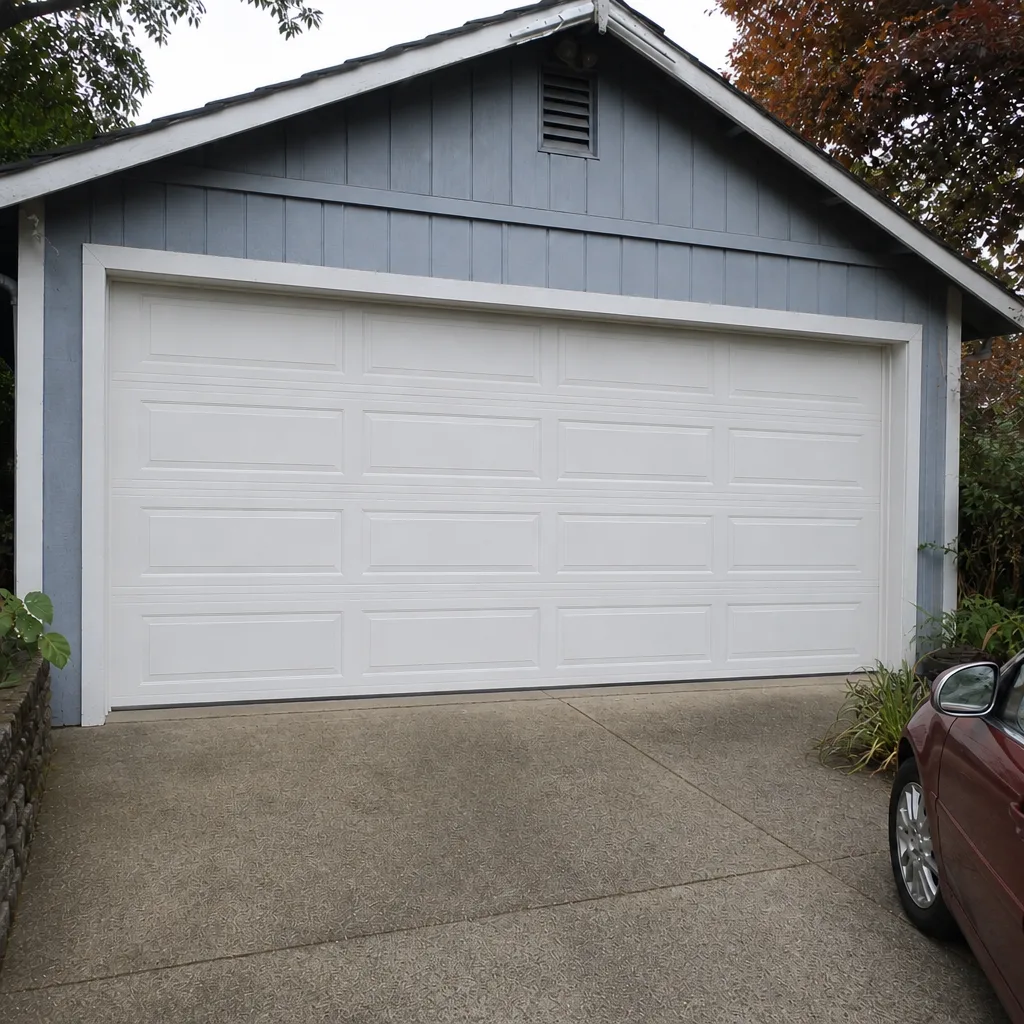
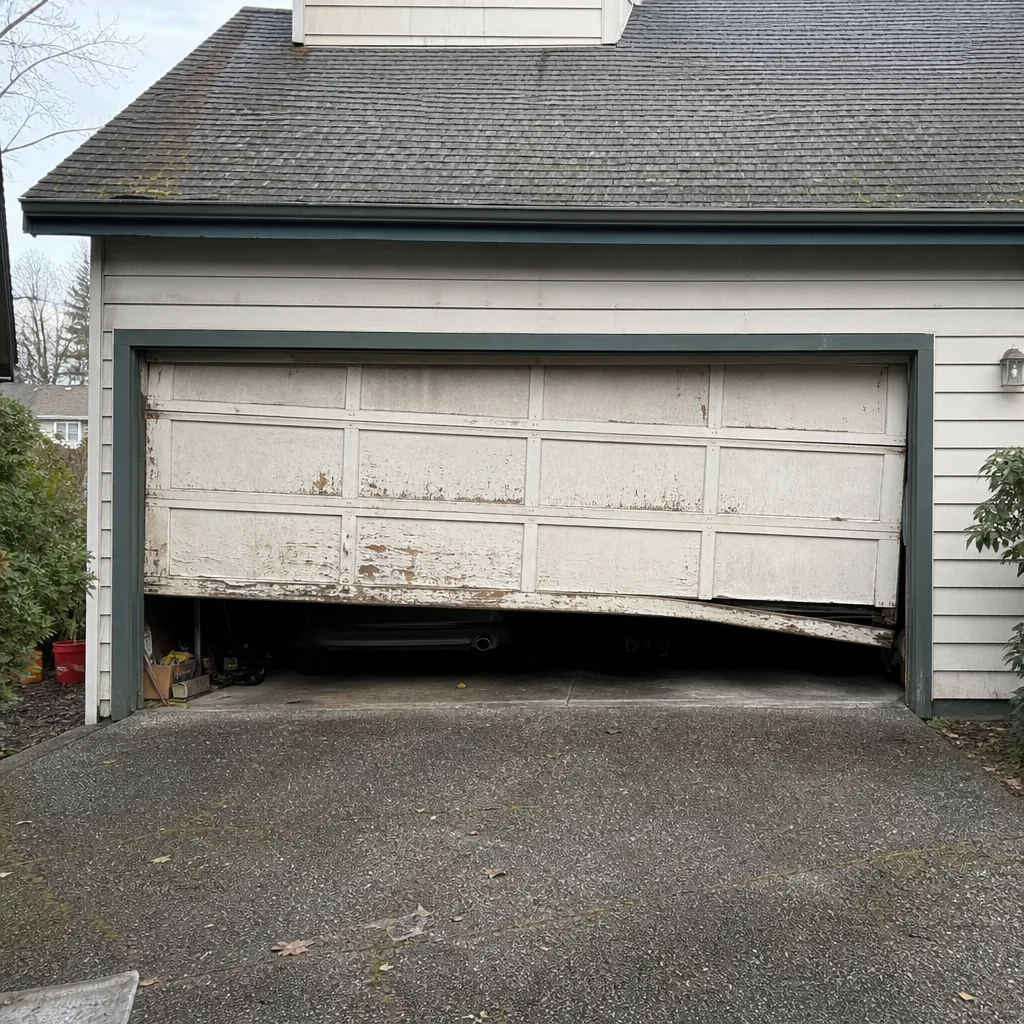
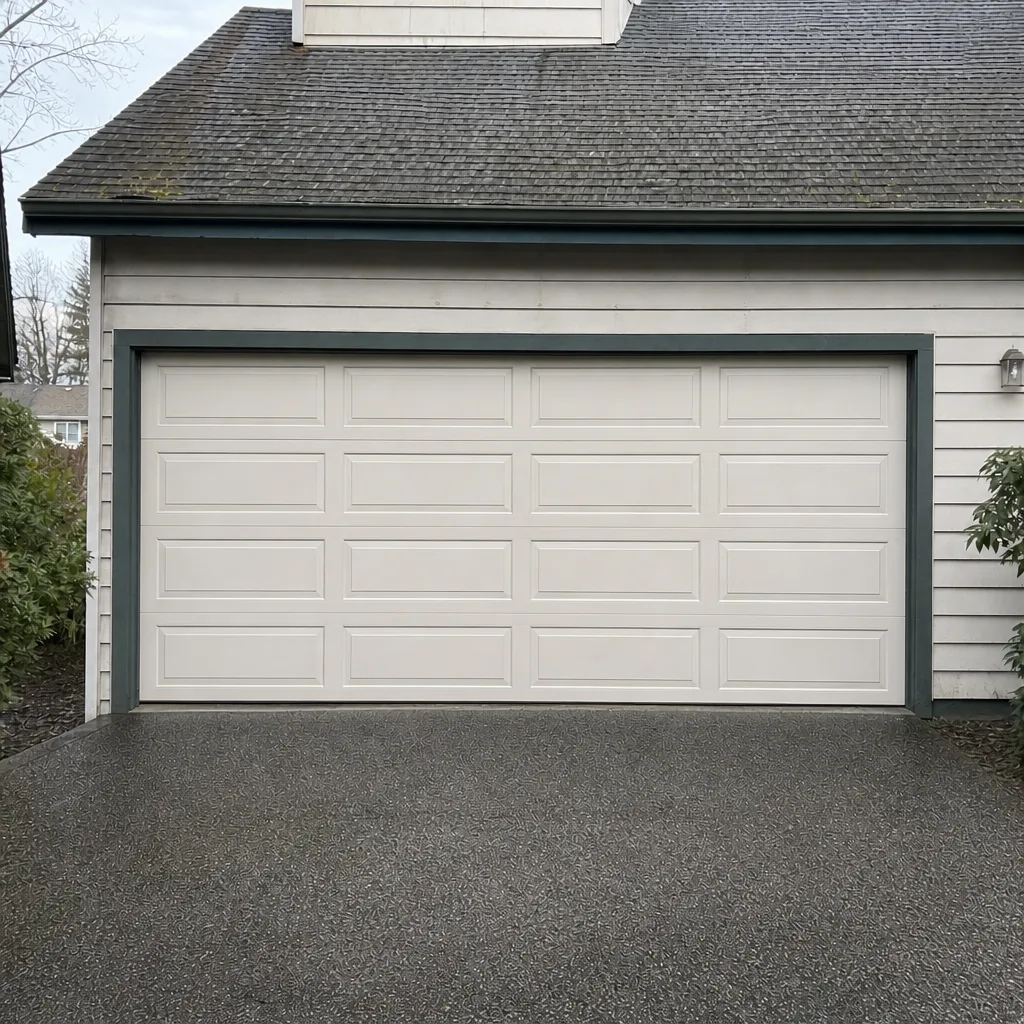
See the difference
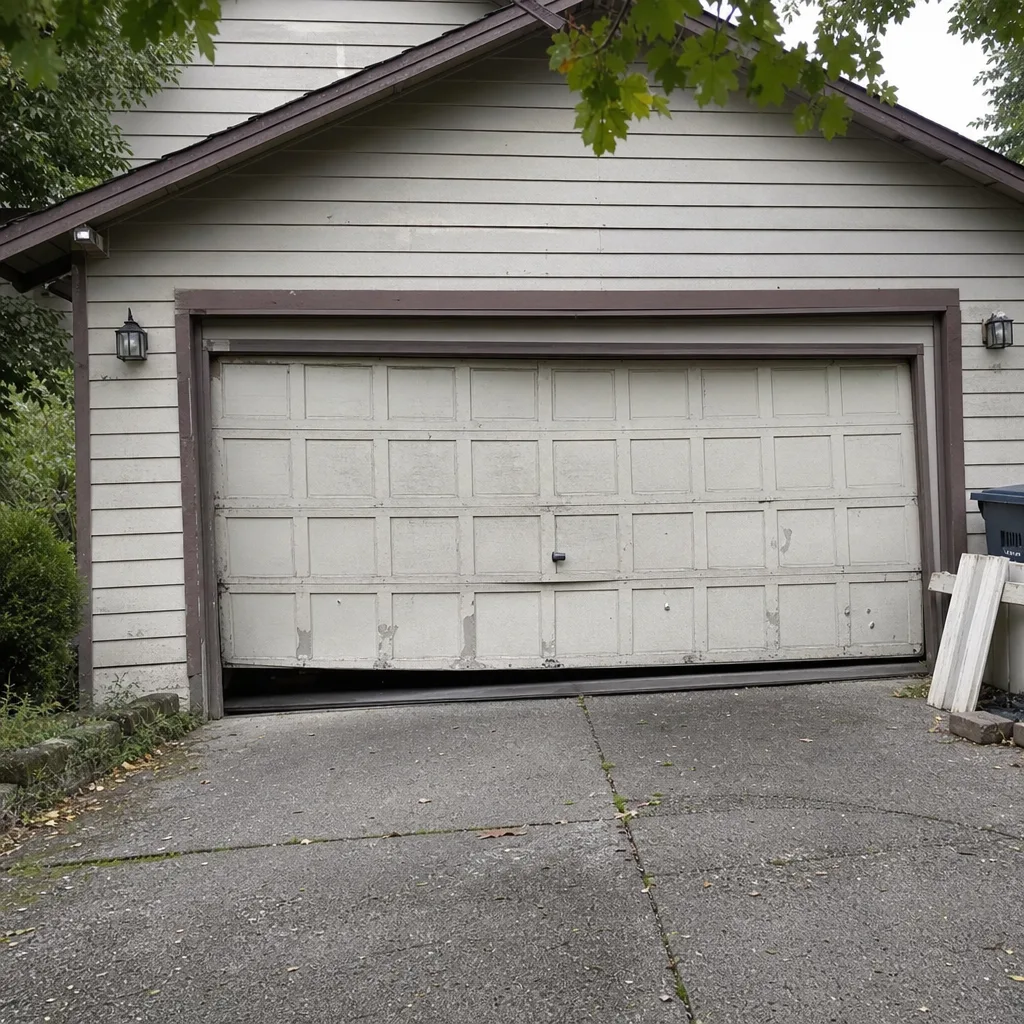 Before
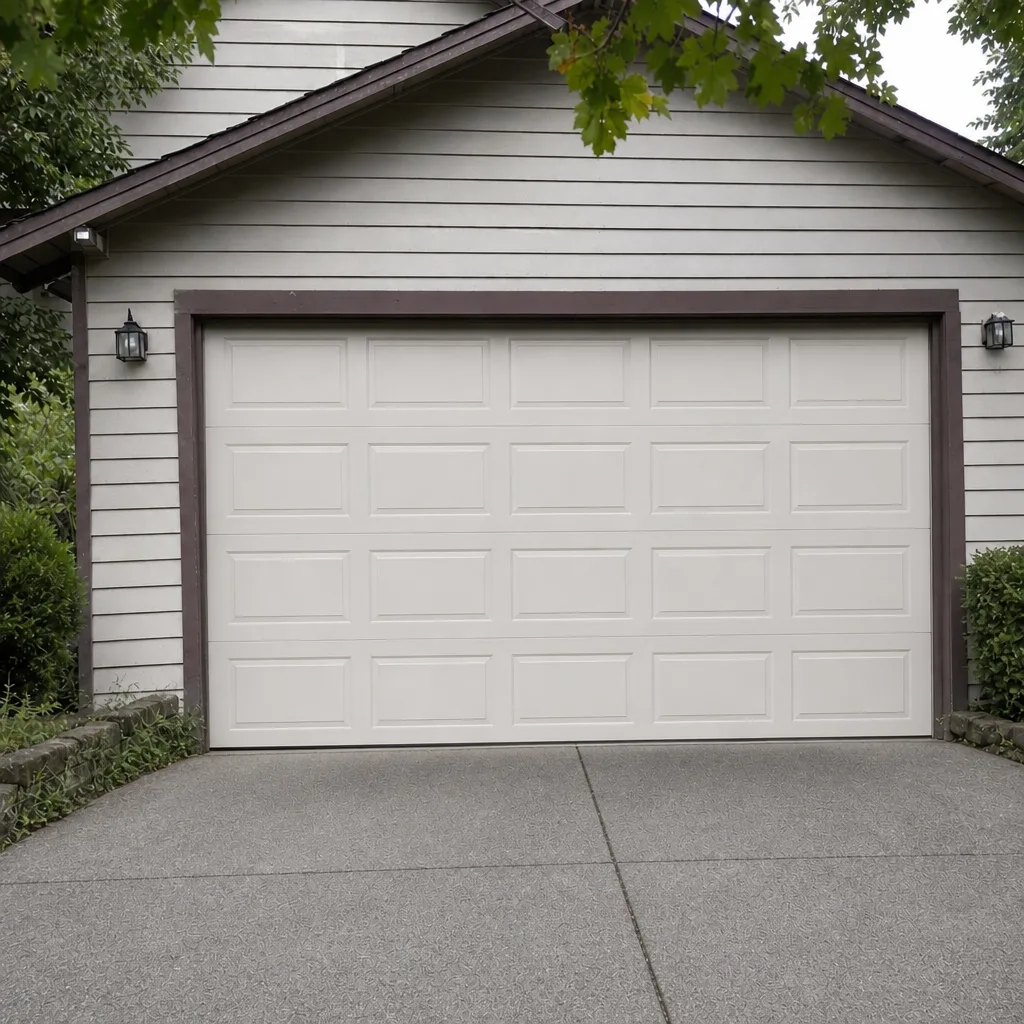 After
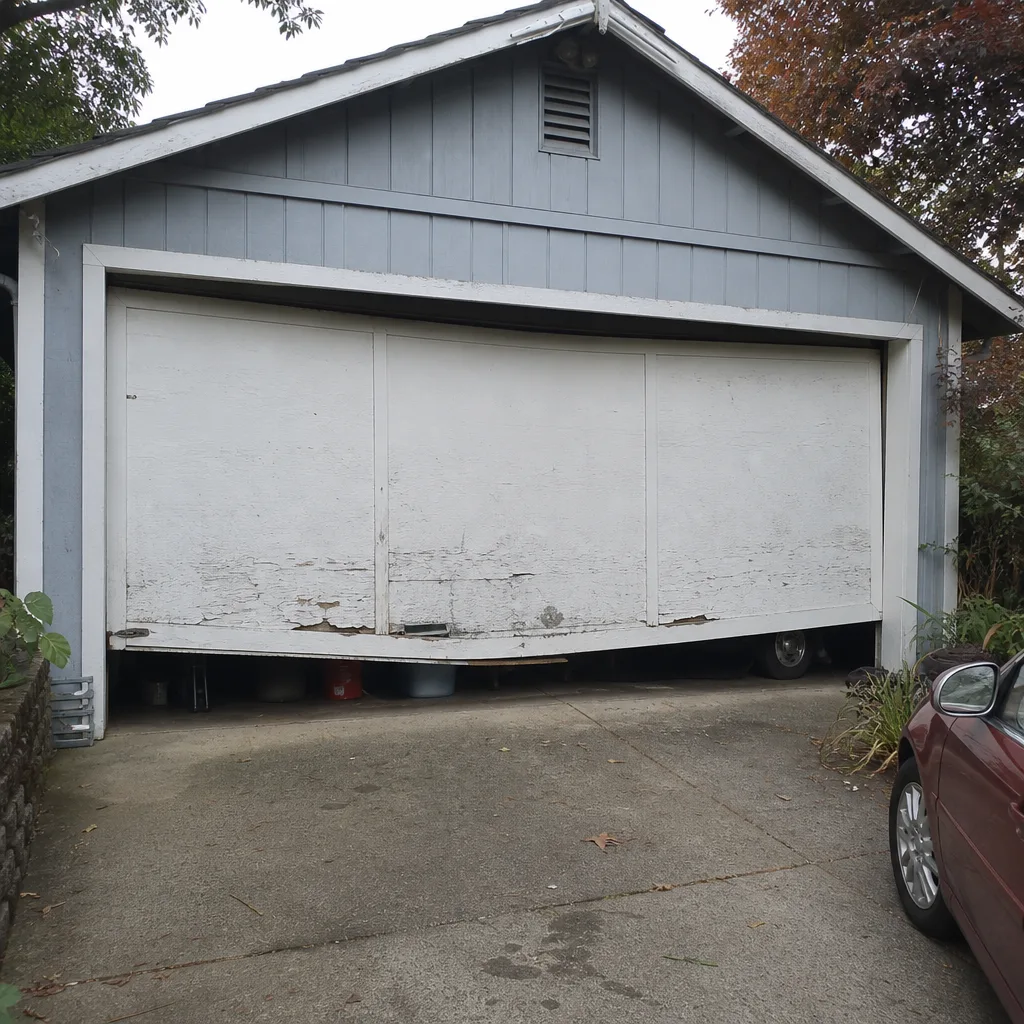 Before
 After
 Before
 After
When to Call a Professional
Some garage door problems are yours to handle. A dead remote battery, a door frozen to the threshold, a disconnected trolley after an outage – those are two-minute fixes with the right knowledge. But a broken spring, a snapped cable, a door off its tracks, or anything that involves extreme tension is a call to a professional. In our experience, the homeowners who call early avoid the bigger repair that comes from forcing a door that was already struggling. If your door won’t move by hand after releasing it, makes a grinding sound during the cycle, or has lost its balance, that’s a repair, not a prep task. Issaquah Garage Door Repair Pros offers free estimates in Issaquah – call (833) 754-9516 for a free estimate, and same-day and emergency service is available when the door is a safety or security risk.
Frequently Asked Questions
Pull the manual release cord hanging from the opener trolley, then lift the door by hand. Make sure no one is under the door first, lift slowly with both hands, and only proceed if the door feels balanced and light. When the power returns, you’ll need to flip the trolley lever back to re-engage the opener – the door won’t reconnect automatically. If the door feels heavy or won’t stay up, a spring may be broken; stop and call a professional.
Leave the door exactly where it is and don’t try to open it, by hand or by opener. A door with a broken spring is far heavier than it looks and can drop without warning. Don’t cut or remove the broken spring or its cables – they’re under extreme tension and can cause serious injury. Call a technician. A matched pair of springs is usually replaced together, so ask whether both are being done. Call (833) 754-9516 for a free estimate.
No, and it’s not worth the risk. A door off its tracks can drop or swing, especially on Issaquah’s sloped driveways, and getting it back on means getting it level and square – work that’s easy to get wrong and dangerous when it goes wrong. Keep people and cars clear, don’t run the opener, and secure the opening if you can. Then call a professional.
The rubber bottom seal bonds to the concrete threshold when temperatures drop below freezing and stay there. If the door lifts a few inches and stops, stop the opener before it strains the gear, release the door to manual, and free the seal gently with warm water or a plastic tool. Never use a metal pry bar near the seal or panels. Check your weather seal in fall so the problem doesn’t repeat every winter.
Handle the safe things yourself: remote batteries, the manual release cord, freeing a frozen seal, lubricating tracks. Call a professional for springs, cables, off-track doors, and any door that won’t move by hand after releasing. Those involve extreme tension or heavy components where a mistake can cause real injury. When in doubt, a quick call settles it – estimates are free.
No – the written estimate sets the price, and the job is quoted and agreed before any work starts. If the technician finds something different from what you described, they’ll explain it and get your approval before doing anything. A clear description when you call – where the door stopped, what you heard, which brands you have – helps the estimate match the job and brings the right parts the first time.
The Bottom Line
Garage door emergencies in Issaquah have a pattern: windstorm outages that leave doors dead, cold snaps that freeze them to the threshold, and sloped driveways that turn a stuck door into a real access problem. The knowledge that matters most is simple – know your manual release cord, know the re-engagement step after an outage, and know when to stop and call. Springs, cables, and off-track doors are professional work, full stop. Keep your emergency kit stocked, describe damage clearly when you call, and you’ll turn most emergencies into a quick fix. When you need help, call Issaquah Garage Door Repair Pros at (833) 754-9516 for a free estimate – we handle repair, springs, openers, and installation, and same-day and emergency service is available.
Written by the team at Issaquah Garage Door Repair Pros.