Last updated November 20, 2026
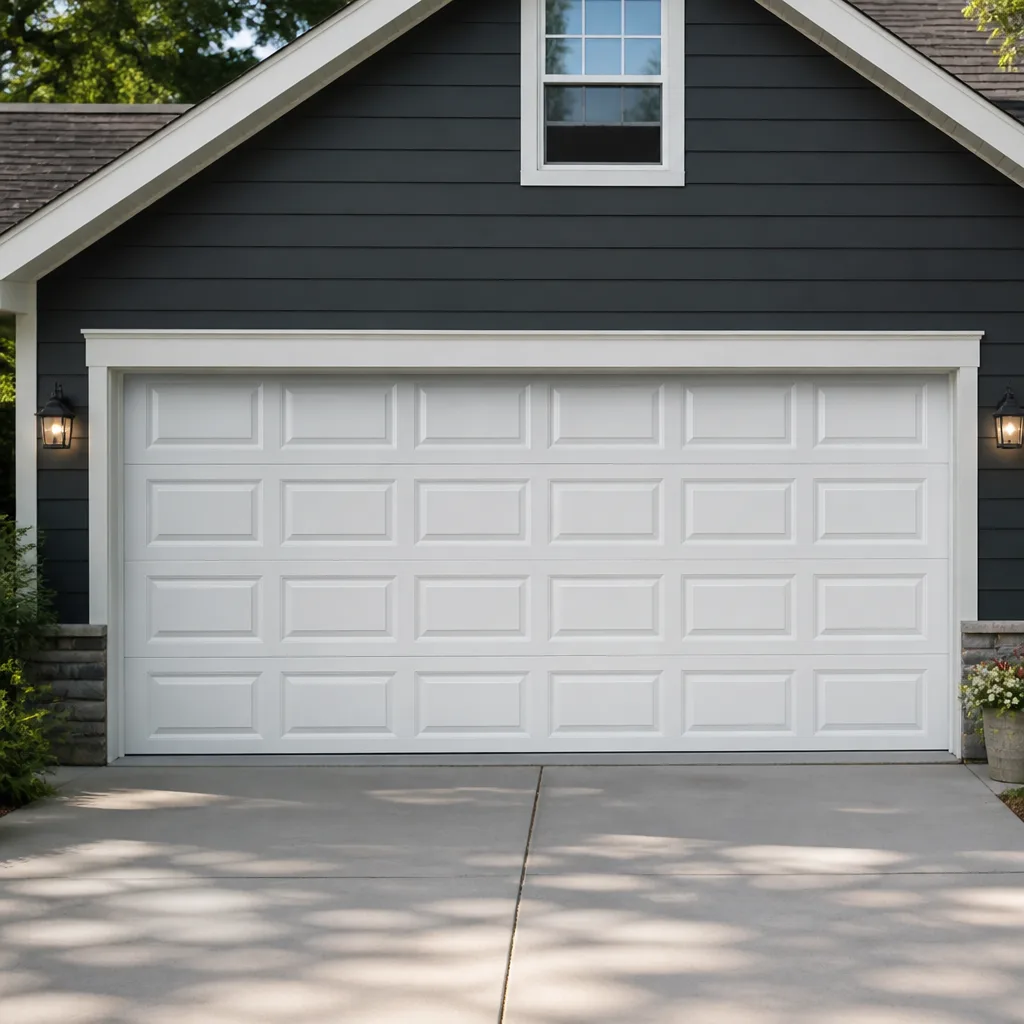 Raised-panel steel
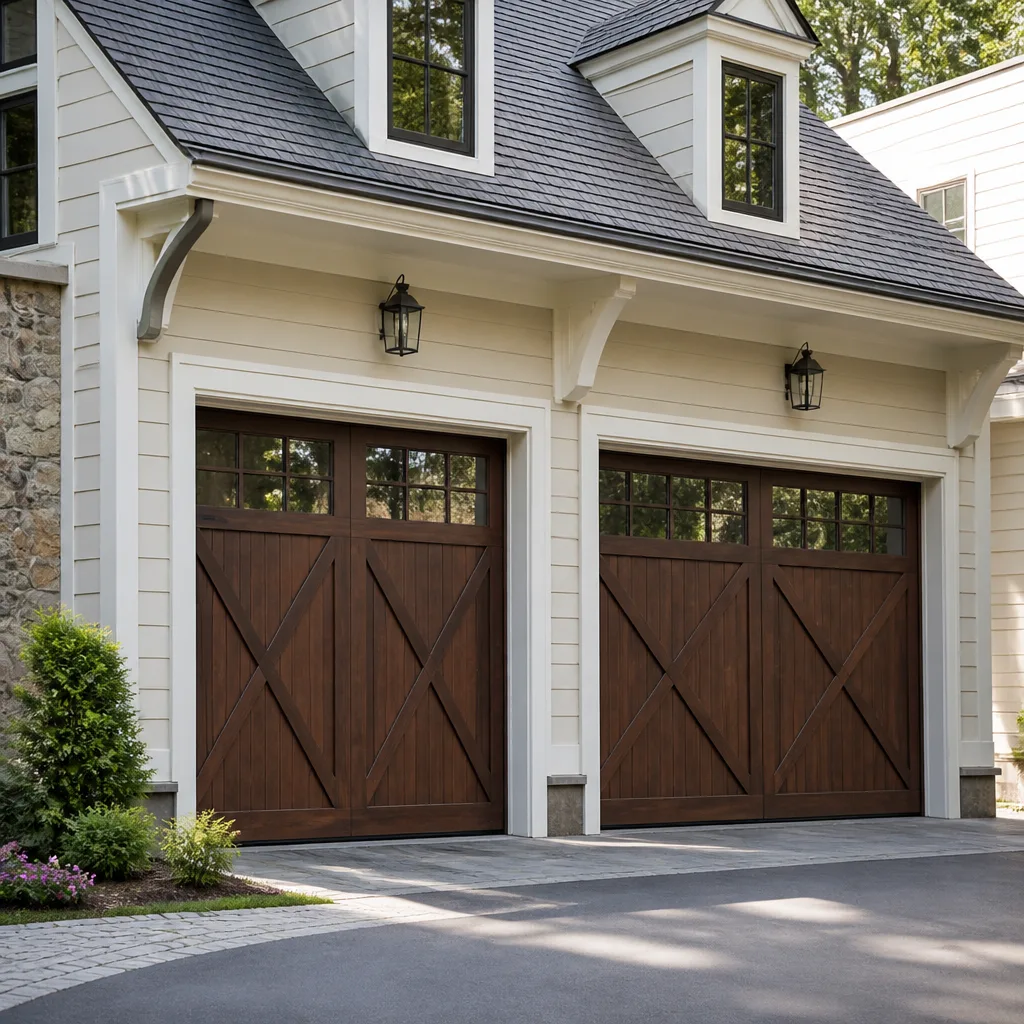 Carriage house
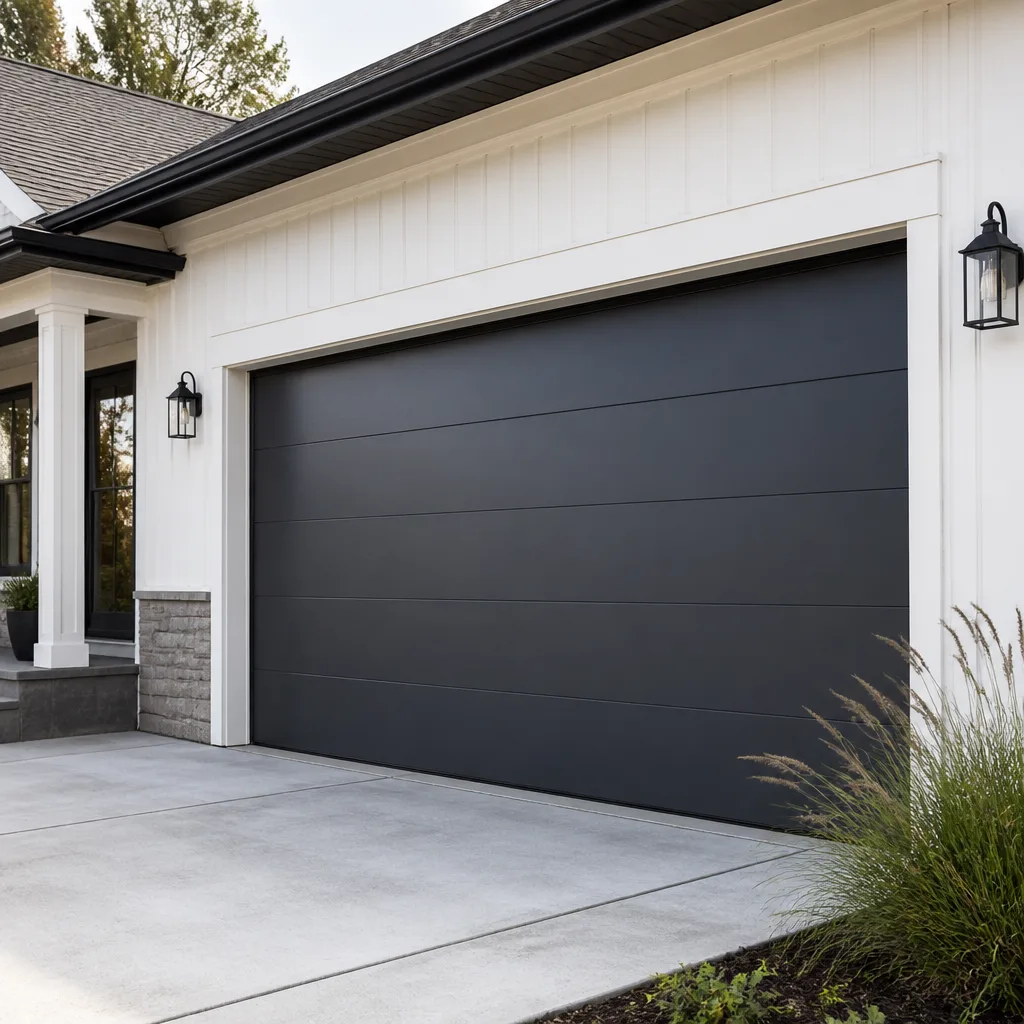 Modern flush
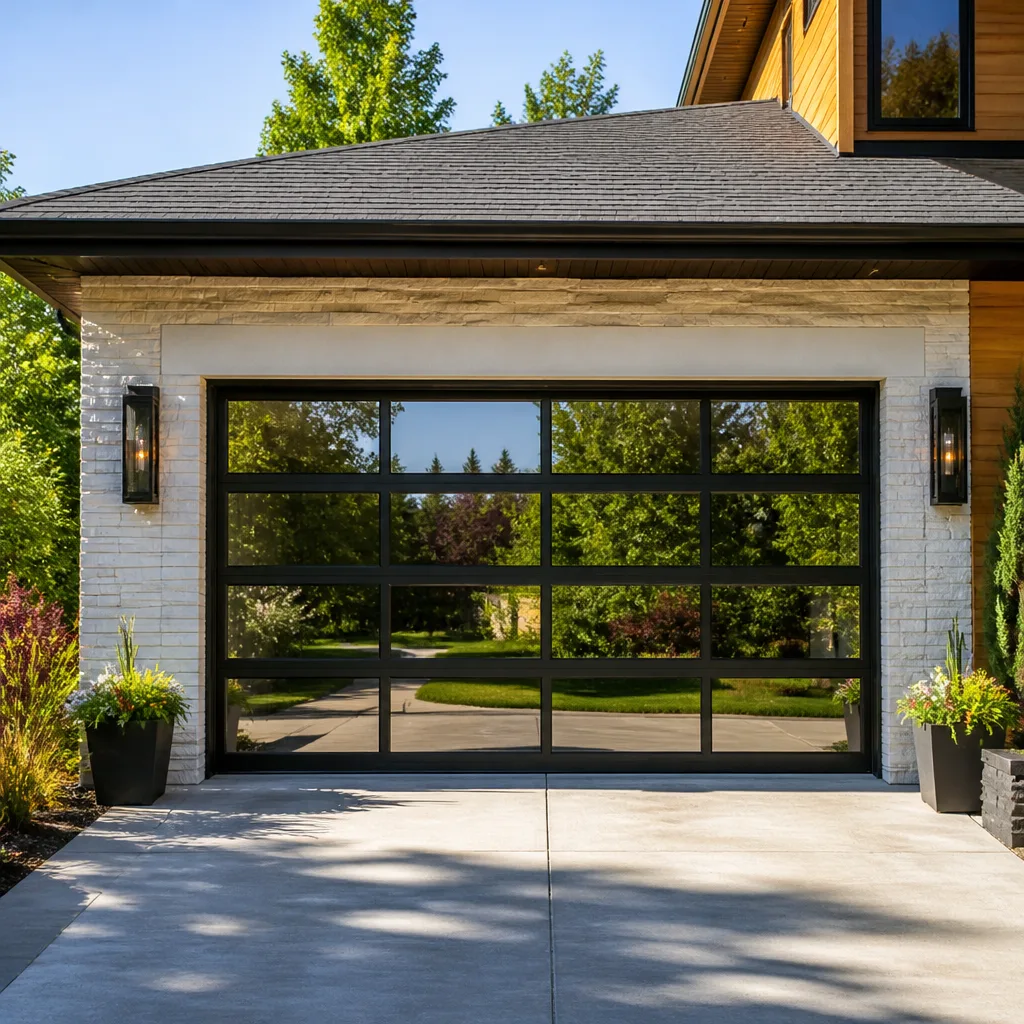 Full-view glass
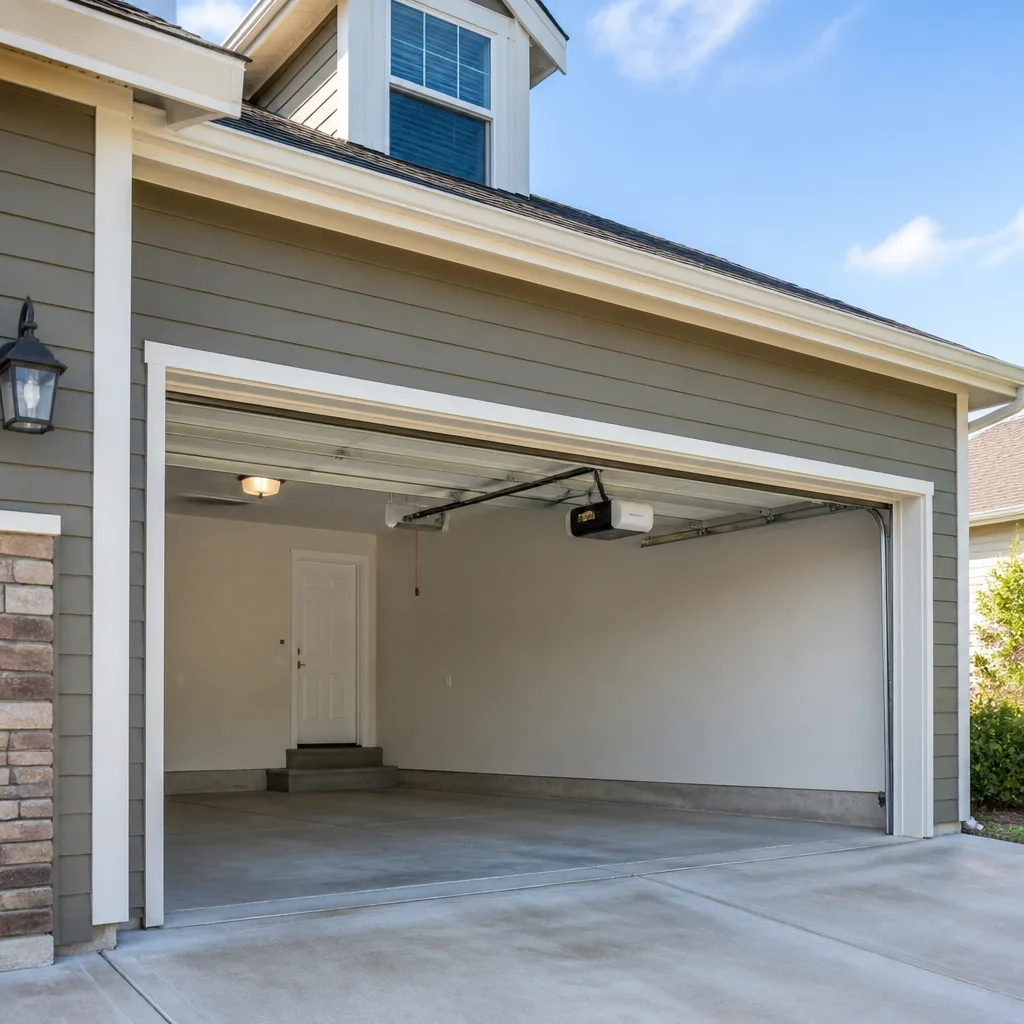 LiftMaster openers
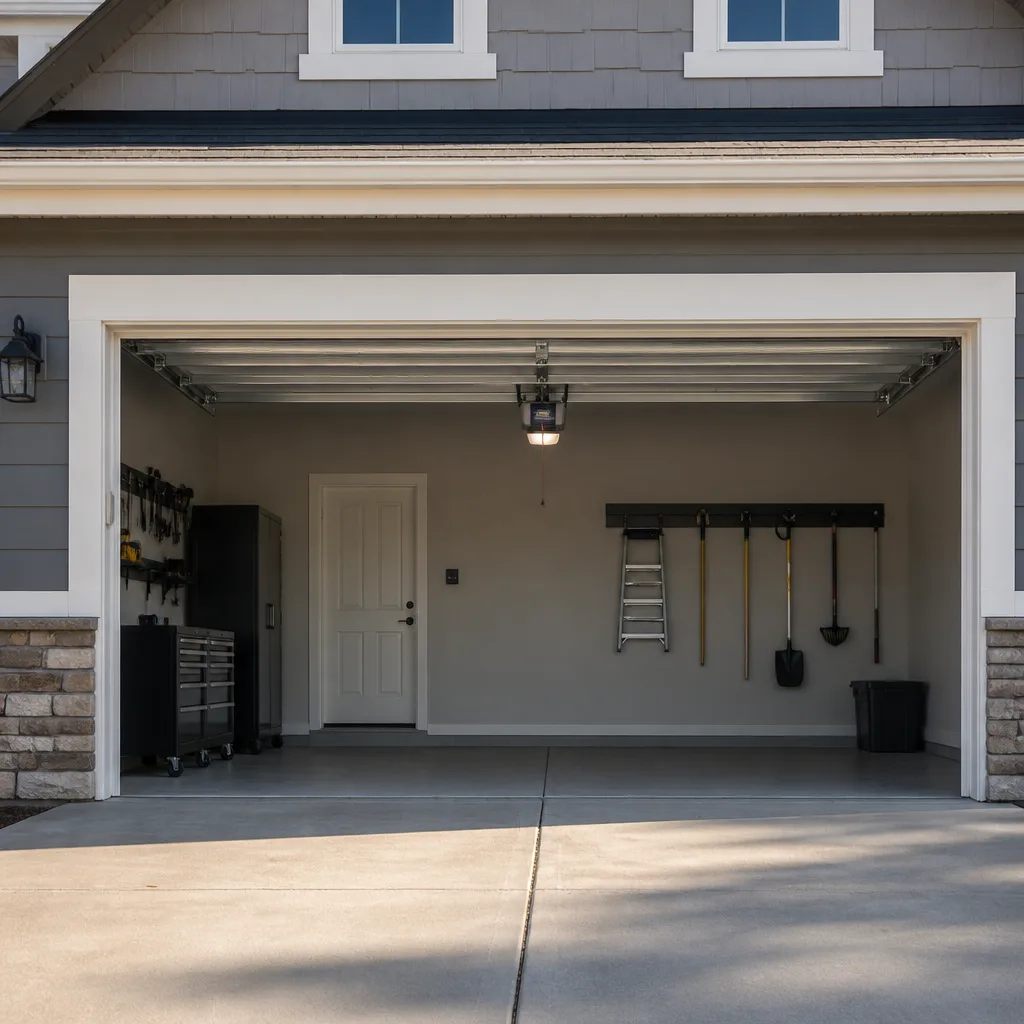 Chamberlain openers
Full 25-point door and opener safety check with every visit - springs, cables, rollers, tracks, and your LiftMaster or Chamberlain opener included
You get a price before we start. It does not change when the pro arrives.
Get your free estimateSeasonal Garage Door Care for Issaquah: Year-Round Homeowner’s Guide
Most garage door maintenance advice you’ll find online was written somewhere else. It tells you to winterize in November and inspect in spring, which sounds reasonable until you realize Issaquah doesn’t run on that calendar. Our rainy season typically starts in October, and the failures that rain causes – swollen wood sections, hinges that seize up, springs that corrode – usually don’t announce themselves until January and February, right when repair demand peaks and scheduling gets tight. The homeowners who skip that crunch aren’t luckier than you. They did their prep in September. This guide walks through what actually matters month by month in Issaquah, which jobs have a hard deadline and which don’t, and how to spot wet-season damage before it turns into a spring replacement bill.
Quick Answer
Seasonal garage door care in Issaquah runs on a different calendar than the national “winter prep, summer check” template. The three anchor points are September (seal, cable, and lubrication work before the rain locks in), February (freeze-thaw stress on hillside lots, when hardware problems surface), and July through August (the dry window for refinishing wood doors, realigning tracks, and recalibrating opener sensitivity). Seal replacement is the one task with a hard deadline: get it done before October or you’ll be dealing with water intrusion all winter.
Styles & brands we work with
- Raised-panel steel
- Carriage house
- Modern flush
- Full-view glass
- LiftMaster openers
- Chamberlain openers
Table of Contents
- Why Issaquah’s Climate Breaks the Standard Maintenance Calendar
- The September Pre-Rain Protocol: Your One Hard Deadline
- February Freeze-Thaw and Your Hillside Lot
- What Wet-Season Damage Looks Like in Spring
- The Dry July-August Window: When Lubrication and Hardware Work Actually Stick
- Which Tasks Have a Hard Deadline and Which Don’t
- Brand-Specific Care: Clopay, Amarr, Wayne Dalton, and Genie
- Your Issaquah Garage Door Annual Checklist
Why Issaquah’s Climate Breaks the Standard Maintenance Calendar
Issaquah sits in a rain shadow transition zone where the Cascade foothills push moisture up and over, and that produces a specific pattern: long stretches of steady, soaking rain from October through spring, punctuated by cold snaps that drop temperatures enough to freeze whatever water is sitting in the wrong place. That combination is harder on a garage door than either constant rain or constant cold alone.
The national maintenance calendar assumes a hard freeze in winter and a dry summer. Issaquah gets neither cleanly. Instead, our seasons look like this:
- October through April: Persistent moisture. Wood sections absorb water and swell. Steel hardware starts to corrode where the factory coating has worn. Hinges and rollers collect grit that turns into an abrasive paste.
- December through February: Cold snaps. Water that seeped into gaps freezes and expands, then thaws. That freeze-thaw cycle is what stresses hardware and shifts panels.
- May through June: The wet-season damage becomes visible. Rust patterns, water stains, doors that no longer meet the floor evenly.
- July through August: Genuinely dry. This is when lubrication stays put, refinishing cures properly, and hardware adjustments hold.
If you follow a generic national guide and do your “winter prep” in late October or November, you’ve already missed the window in Issaquah. The prep needs to happen in September, before the first sustained rain. The damage shows up later. The gap between those two facts is where most Issaquah homeowners get caught.
The good news is that a garage door is a fairly forgiving piece of equipment if you stay ahead of the calendar. The systems that fail early are almost always the ones where moisture got in during October and sat there for four months. Prevention is cheaper than repair, and in Issaquah the prevention window is narrow and specific.
The September Pre-Rain Protocol: Your One Hard Deadline
September is the single most important month for garage door care in Issaquah, and it’s the one most homeowners treat as a throwaway because nothing seems wrong yet. That’s the point. Nothing is wrong yet. Everything you do in September is about keeping it that way through the wet season.
Here’s what the September protocol covers.
1. The Seal Compression Test
The bottom seal (also called the bottom weatherstrip or astragal) is the strip of rubber or vinyl at the base of the door. Its job is to compress against the floor when the door closes, sealing out water and cold air. When it’s working, it flattens slightly against the concrete. When it’s failing, it barely touches – and you can see daylight or feel a draft underneath.
Test it by closing the door fully and looking along the bottom edge. If you can see light between the seal and the floor at any point, the seal isn’t compressing properly. Two causes: the seal itself has hardened and lost its flexibility, or the door isn’t closing all the way down (which is often an opener travel adjustment, not a seal problem). In Issaquah, an unsealed bottom edge lets water wick under the door and into the garage, and by January that water has found its way into the door’s bottom section, the bottom bracket, and the concrete slab.
If the seal is stiff, cracked, or permanently flattened, September is when to replace it. Waiting until November means doing the job in the rain and hoping the new seal seats properly against a wet floor. It won’t.
2. Cable Inspection at the Drum
Lift the door slightly by hand (with the opener disconnected) and look at the cables as they wind onto the drum at the top corners. You’re checking for fraying, broken strands, or kinks. Any cable with visible broken strands, a birdcage pattern, or a sharp bend needs professional attention – cables under tension are dangerous and we don’t recommend handling them yourself.
The reason this matters in September specifically: wet-season grit accelerates cable wear. A cable that’s already compromised in the fall is more likely to fail during the winter, and cable failure can drop the door suddenly or send it off track.
3. Lubricate Before the Moisture Locks In
Lubrication in September does two jobs. It reduces friction on hinges, rollers, and the torsion springs, and it displaces moisture before the wet season starts. Use a garage door specific lubricant (silicone-based or lithium grease, not WD-40 as a long-term solution) on:
- All hinge pivot points
- Roller stems and bearings (not the roller face, just the bearing)
- The torsion spring coils (a light coat, not a soaking)
- The opener’s chain or belt if it’s chain-driven
If you lubricate in September, the grease film stays on through the wet months and keeps water off bare metal. If you wait until December, you’re trying to apply grease onto an already-wet, already-dirty surface, and it won’t stick.
If any of this sounds like more than you want to take on – especially the cable inspection – a garage door repair visit in September is a reasonable investment. The cost of a pre-season inspection and minor adjustments is small compared with what you’d pay to fix water damage or a failed spring in February. Call (833) 754-9516 for a free estimate.
February Freeze-Thaw and Your Hillside Lot
February is when the consequences of the wet season arrive, and Issaquah’s topography makes it worse than it would be on flat ground. A lot of the city is built on hillside and sloped lots – the Issaquah Highlands, the Talus area, neighborhoods up Klahanie and around Squak Mountain. Sloped driveways and elevated garages face specific freeze-thaw dynamics.
What Freeze-Thaw Does to Your Door
Water that’s found its way onto the driveway, into panel gaps, or under the bottom seal freezes overnight and expands. When it thaws the next day, it contracts. Repeat that cycle over a few weeks and the cumulative effect is real:
- Bottom brackets take the load. The bottom bracket is where the lifting cable attaches at each corner. Freeze-thaw cycles stress the fasteners and can loosen the bracket’s mounting, especially on older doors where the mounting screws have seen years of moisture. A loose bottom bracket is one of the most common hardware failures we see in February.
- Panel gaps misalign. When one bracket shifts and its neighbor doesn’t, the door doesn’t lift evenly. Sections develop gaps at the seams. The door feels heavier on one side, and the opener has to work harder.
- The door doesn’t meet the floor evenly. Concrete slabs can heave slightly with frost on sloped lots, particularly where drainage was never ideal. A door that sealed perfectly in September can show a gap in February because the floor under one corner has moved up a fraction of an inch.
The Spring Problem That Isn’t a Spring Problem
Here’s the misdiagnosis we see most often in February. The door feels heavy, uneven, or slow. The homeowner assumes the springs are failing. Sometimes that’s true. But just as often, the springs are fine and the problem is a shifted bottom bracket, a misaligned panel, or a track that’s out of plumb because the freeze-thaw cycle moved the mounting point.
Replacing springs when the problem is actually alignment wastes money and leaves the real issue unfixed. A proper diagnostic – checking bracket torque, panel alignment, track plumb, and spring tension together – is worth doing before assuming it’s a garage door spring repair job. If it does turn out to be a spring, spring replacement is one of the highest-skill and highest-stakes repairs in the trade. Torsion springs are under extreme tension and if they’re not handled correctly they can cause serious injury. We never recommend homeowners touch the springs themselves.
February is also peak demand month in Issaquah, which means wait times stretch. This is exactly the crunch the September protocol is designed to avoid. If you find yourself needing service in February, call early rather than waiting for the door to fail completely. Call (833) 754-9516 – we offer emergency service for situations where a door is a security or safety risk.
What Wet-Season Damage Looks Like in Spring
By May, the wet season has done whatever it was going to do, and the question becomes: what actually happened, and what needs fixing before next October? Spring is the assessment season in Issaquah. It’s less about active prevention and more about seeing clearly what the winter left behind.
Rust Patterns Worth Reading
Not all rust is a problem. Surface rust on a steel door near the bottom edge is common and usually cosmetic. What matters is where the rust appears and whether it’s eating into structural metal.
- Rust on hinges and roller stems: Normal wear-and-tear, address with lubrication and possibly hinge replacement.
- Rust on springs: Torsion springs are heavily loaded. Corrosion weakens them over time. If you see visible pitting or flaking on the spring coils, have them inspected.
- Rust along panel seams: Indicates water intrusion into the panel joints. This is the pattern that leads to panel swelling on wood doors and to paint failure on steel.
- Rust on the bottom bracket and its fasteners: The most concerning pattern. Corrosion at the bottom bracket means the door’s lifting anchor point is weakening.
Water Intrusion Evidence
Walk into your garage and look at the floor and walls near the door. A dark stain on the concrete under the door, water marks on the bottom section of the door, or a visible gap between the door and the floor all point to water getting in during the winter. If the seal was the problem, this is the moment to replace it – before the summer dry-out tempts you to forget about it.
Frost Heave and Door Gap
If the concrete slab under your door heaved over the winter, you may see the door sitting unevenly against the floor – one corner tight, another with a visible gap. The fix isn’t always to adjust the door. Sometimes it’s to replace the bottom seal with a thicker one that accommodates the floor’s new profile. A reputable technician will look at the floor before touching the door.
Spring is also a good time to call for a general check. If you’re already noticing any of these signs, an inspection now saves you the scramble come February. We can look the door over and give you a written price before any work starts – call (833) 754-9516 for a free estimate.
The Dry July-August Window: When Lubrication and Hardware Work Actually Stick
Summer in Issaquah is short, dry, and the best window of the year for the jobs that need stable conditions. Lubricant applied in August stays on through the wet season the way it won’t if you apply it in November. Refinishing a wood door in August cures properly. Track realignment that relies on the mounting points holding torque is more likely to stay put when the wood framing around them is dry and stable.
This is the month to schedule the maintenance work that isn’t urgent but matters.
Wood Door Refinishing
Wood garage doors – including many Clopay and Amarr models and most custom wood installations – take real punishment in Issaquah’s wet climate. The finish is the protection layer, and once it starts failing, the wood behind it absorbs water and swells. Summer is the only reliable window to strip, sand, and re-seal because the finish needs 3-5 days of dry weather to cure properly.
The right time to refinish is when the finish is starting to wear but the wood is still solid. If you wait until the wood is already swollen or showing gray weathering, you’re not refinishing – you’re repairing.
Track Realignment
Tracks that were slightly out of alignment through the wet season often don’t announce themselves loudly. The door just runs slightly noisier, or one side contacts the track a little harder than the other. In summer, when the framing and floor are dry and stable, realignment holds better than any other time of year. If your door is rubbing, binding, or running rough, July and August are when to have it adjusted.
Opener Sensitivity Recalibration
Modern openers from Genie, LiftMaster, Chamberlain, and others use force sensing to detect obstructions. Over the wet season, friction on the hinges and rollers goes up, and the opener’s factory force settings may not account for the added resistance. By summer, once you re-lubricate and the weather dries out, the force sensing should be recalibrated to match the door’s new (lower) resistance.
The safety test: place a 2×4 flat on the floor under the door’s path. Lower the door. It should reverse on contact. If it doesn’t, the sensitivity is off and needs adjustment. This is the one test every homeowner should run at least once a year. An opener that doesn’t reverse on obstruction is a safety problem, full stop. If recalibration doesn’t fix it, that’s a garage door opener repair job, and we work on the actual hardware across the major brands – LiftMaster, Chamberlain, Genie, Craftsman, and more – rather than generic workarounds.
Summer is also a reasonable window for an opener upgrade if you’re thinking about a smart-home-connected model. Replacing the opener in dry weather means you’re not troubleshooting new hardware in the middle of the wet season. Call (833) 754-9516 to talk through options for your door.
Which Tasks Have a Hard Deadline and Which Don’t
One of the most useful things you can take away from this guide is a clear sense of urgency by task. Some jobs have to happen in a specific window or they lose value. Others can be done any time without penalty. Mixing the two up is how homeowners end up doing the wrong work at the wrong time.
Hard Deadline: Before October
- Bottom seal replacement: Must be done before the wet season starts. A new seal seated against a wet, cold floor won’t seal. Late September at the latest.
- Lubrication: Needs to be applied to clean, dry hardware. Once the rain starts, the surfaces are wet and greasy and the lubricant won’t adhere properly.
- Cable inspection: A frayed cable that’s not addressed in September is far more likely to fail during the winter, when service demand is highest.
- Any known spring issue: A compromised spring should be replaced before winter load adds stress.
No Hard Deadline: Do It When Conditions Allow
- Wood door refinishing: Best in summer, but any dry stretch works. Not urgent unless the wood is already failing.
- Track realignment: Can be done any time. Holds better in dry weather.
- Opener sensitivity recalibration: Any time, though ideally after lubrication and before a cold snap.
- Hardware replacement (hinges, rollers, brackets): Do it when worn, not on a schedule.
- Cosmetic steel door painting: Any time the weather is dry and mild, typically late spring through summer.
If you’re not sure which category a specific issue falls into, the safest approach is to call and describe what you’re seeing. A short conversation tells us whether you’re looking at a September-must-fix or an any-time project. Free estimates, and the price is quoted and agreed before any work starts.
Brand-Specific Care: Clopay, Amarr, Wayne Dalton, and Genie
Different door and opener brands have different maintenance priorities because the hardware and construction materials differ. If you know your brand, it’s worth knowing the specific care it wants.
- Clopay: Common in residential installations across Issaquah, including both steel and wood options. Wood Clopay doors need the seasonal refinishing described above. Steel Clopay doors benefit from annual hinge and roller lubrication and seal checks in September.
- Amarr: Amarr steel doors with factory finishes hold up well, but the bottom seal and the bottom bracket fasteners are worth watching closely through winter. If the door shows even minor corrosion on the bracket side, address it in spring.
- Wayne Dalton: Some Wayne Dalton doors use proprietary hardware and torsion systems. Service should be done by a technician who knows the specific hardware. We’re factory-familiar with the brand and work with the actual components, not generic replacement parts.
- Genie: Genie openers tend to be responsive to routine recalibration. Chain drives in particular benefit from a September belt/chain lubrication and a summer sensitivity check. Smart Genie Aladdin-compatible units need periodic app or hub firmware updates, which the manufacturer handles.
The brands we work on cover a wide range – LiftMaster, Chamberlain, Genie, Clopay, Amarr, Wayne Dalton, Craftsman, and Raynor – which means you’re less likely to get turned away because you have the “wrong” brand. Call (833) 754-9516 if you’re not sure whether we service what you have.
Your Issaquah Garage Door Annual Checklist
Here’s the whole year in one place. This is the checklist you can stick to a calendar reminder.
September (Do This First)
- Perform the bottom seal compression test. Replace the seal if it’s stiff, cracked, or not touching the floor evenly.
- Lift the door by hand with the opener disconnected and inspect cables at the drums for fraying or kinks. Do not work on cables yourself – flag any issues and call for an inspection.
- Lubricate all hinges, roller stems, and springs with a garage door specific lubricant. Apply to clean, dry hardware.
- Test the opener’s safety reverse with a 2×4 flat on the floor under the door’s path.
- Look for rust on the bottom brackets and spring coils. Schedule service if anything looks compromised.
February
- Note any change in how the door feels or sounds – heavier, uneven, or noisier.
- Look for uneven floor contact at the bottom edge.
- If the door feels wrong, treat it as a diagnostic issue rather than assuming springs. Misalignment and bracket shift are just as common.
- Address issues early rather than waiting for full failure.
May-June
- Walk the door perimeter looking for rust patterns, especially on panel seams and bottom brackets.
- Check the concrete floor under the door for water stains from the winter.
- Look for gaps between the door and the floor that weren’t there before.
July-August
- Refinish wood doors during a dry stretch if the finish is showing wear.
- Realign tracks if the door is running rough.
- Recalibrate opener sensitivity after lubrication.
- Schedule any hardware replacements that were deferred over winter.
Keep this list, set a September reminder, and you’ll stay well ahead of the season – which is the whole point. If you’d rather have a professional handle the annual check, we can do it. Issaquah Garage Door Repair Pros handles repair, opener repair, spring repair, full installation, and emergency response, so one call covers whatever the season requires. Our technicians have up to 12 years of experience.
Common Mistakes to Avoid
- Waiting until November to winterize. The seal and lubrication work has to happen before the wet season starts. November is already too late – you’re applying lubricant to wet surfaces and hoping a new seal seats against a cold floor.
- Assuming February door trouble means spring failure. In Issaquah, the most common February problem is a shifted bottom bracket or misaligned panel from freeze-thaw – not the springs. Replacing springs when the problem is alignment wastes money and leaves the real issue.
- Lubricating in the rain. Lubricant needs clean, dry surfaces to bond. If you apply it mid-winter, it sits on top of the grit and washes off with the next rain. It does essentially nothing.
- Skipping the safety reverse test. An opener that doesn’t reverse on obstruction is a real hazard. Run the 2×4 test every season – especially after any lubrication or sensitivity change.
- Refinishing wood doors in the wet season. Finish needs several dry days to cure. A refinish job done in October or March will fail early and waste the work.
- Ignoring rust on bottom brackets. Surface rust on the door face is cosmetic. Rust on the bottom bracket and its fasteners is structural. The bottom bracket is the door’s lifting anchor point, and corrosion there weakens the whole system.
- Touching the springs yourself. Torsion and extension springs are under extreme tension. Attempting spring repair without proper tools and training is genuinely dangerous. Call a trained professional – spring repair is a dedicated skill, not a handyman task.
See the difference
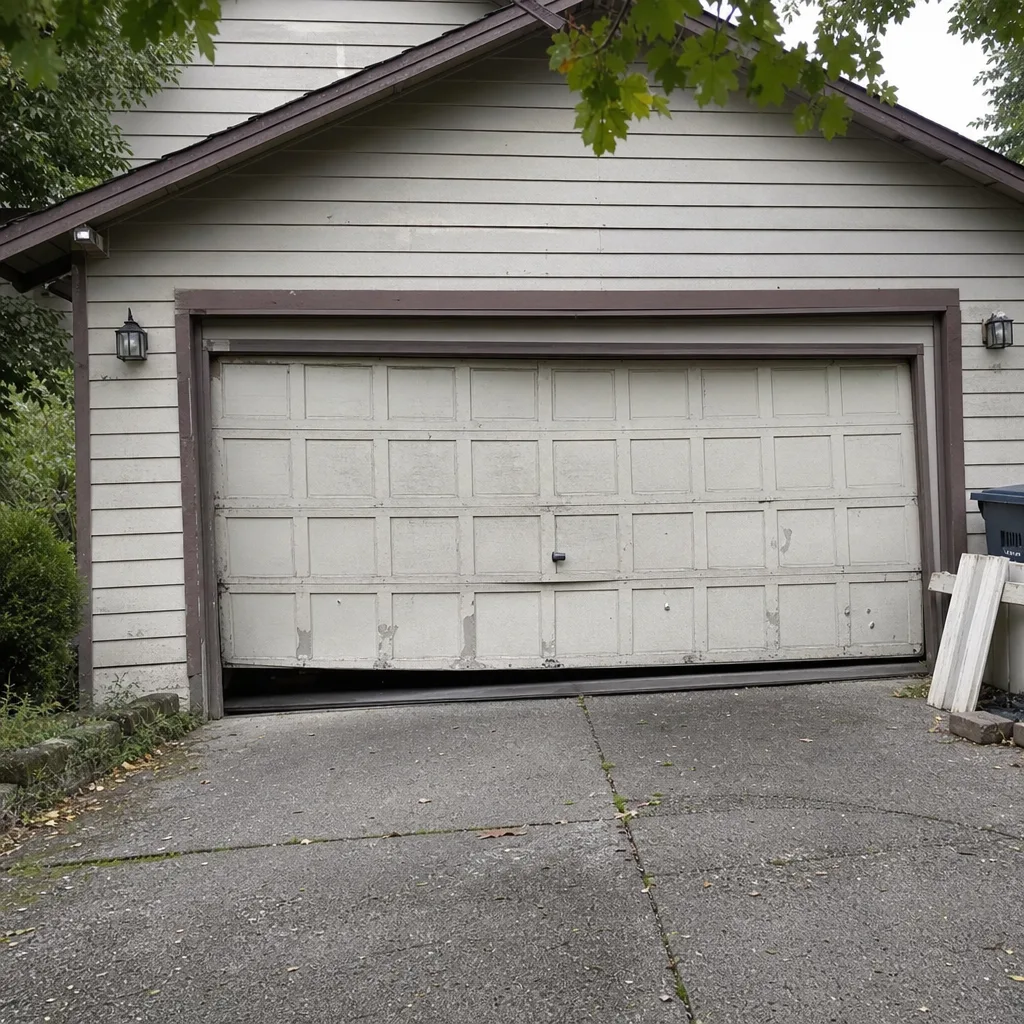 Before
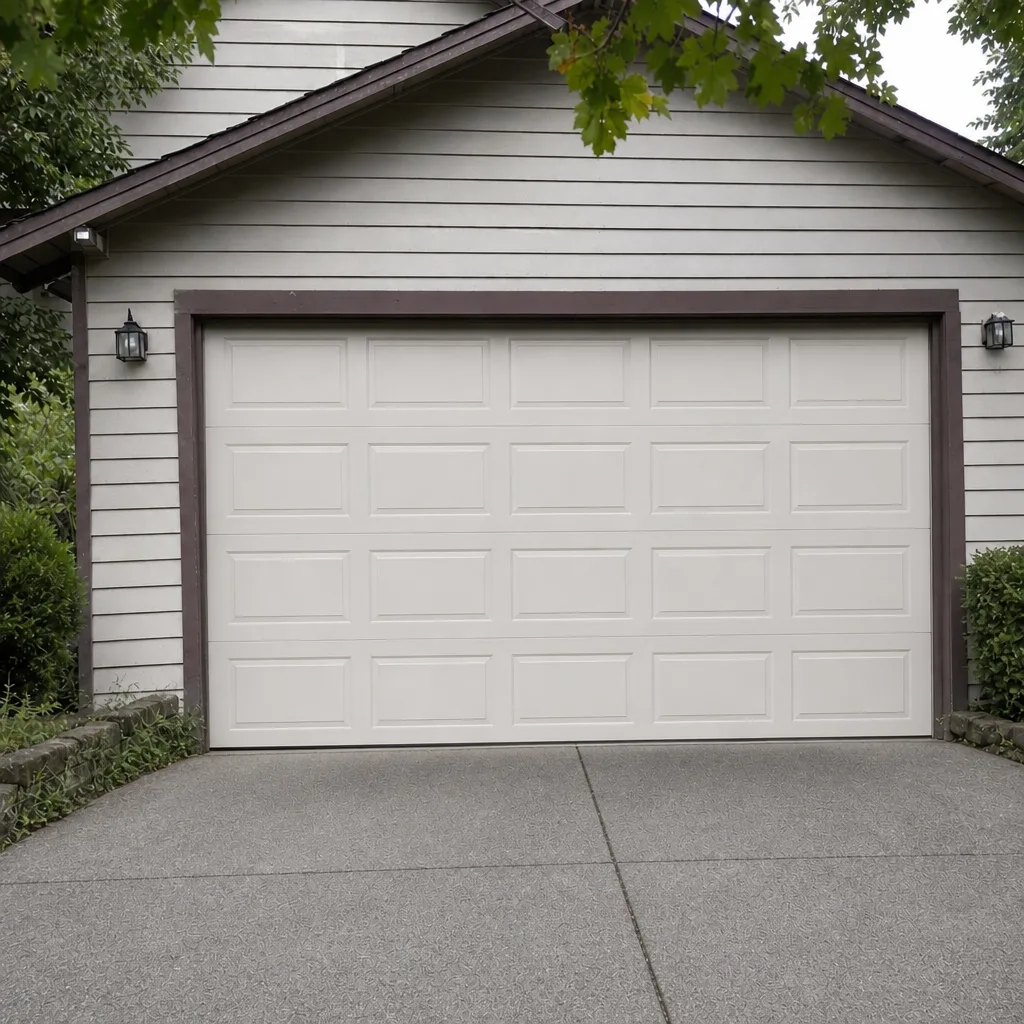 After
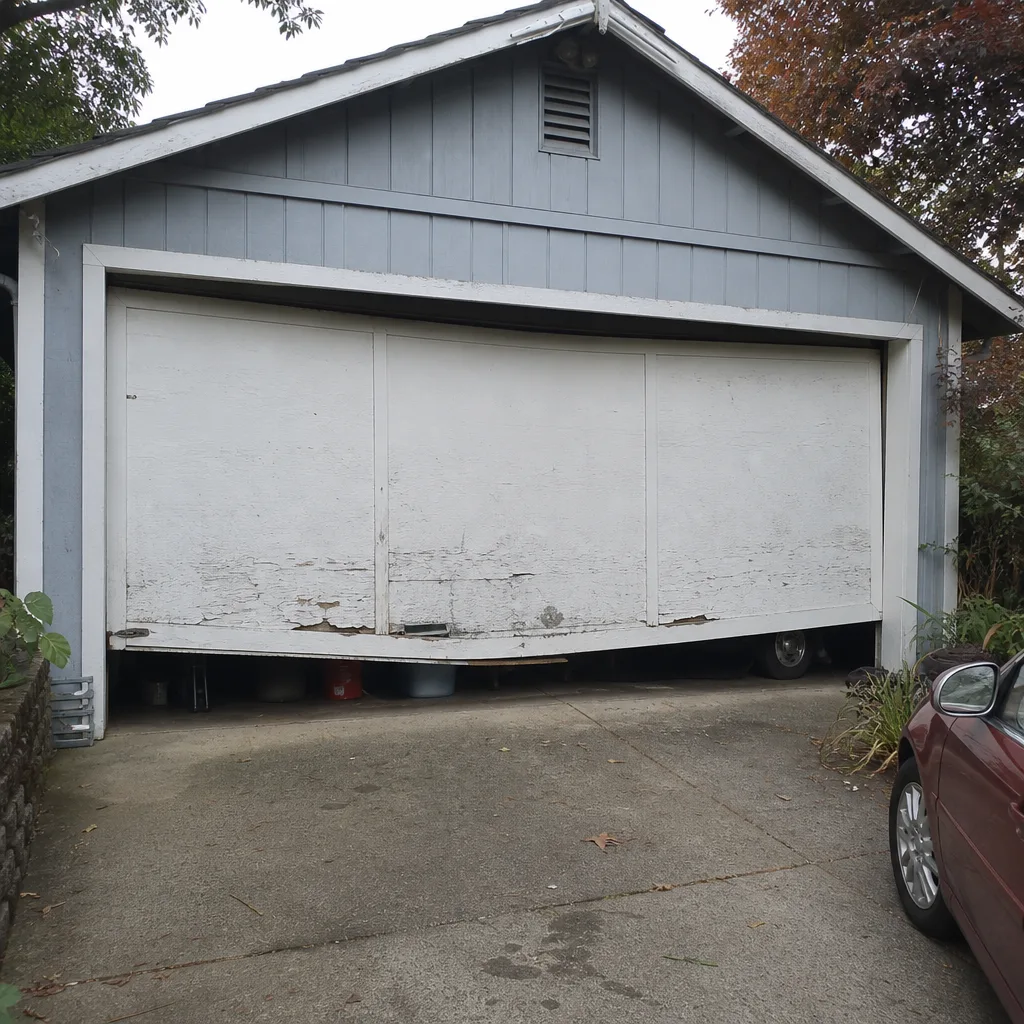 Before
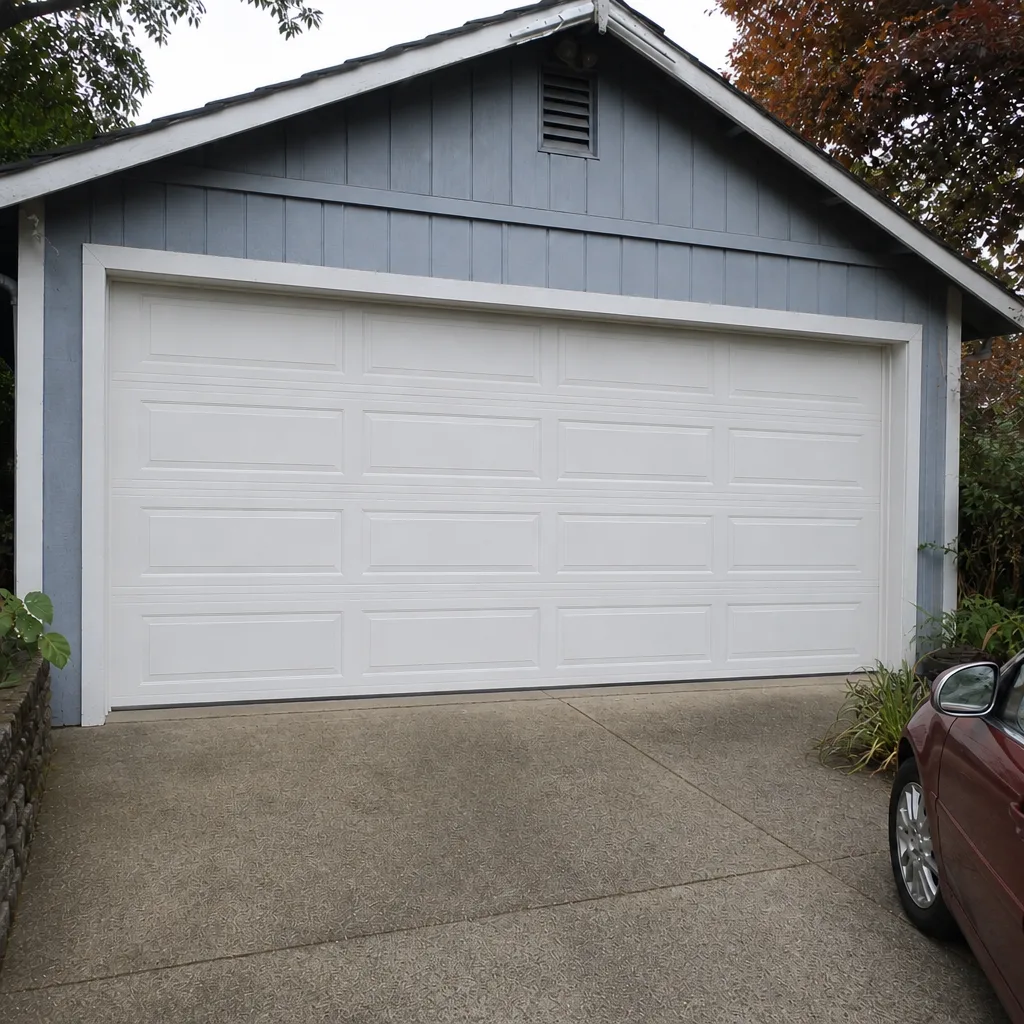 After
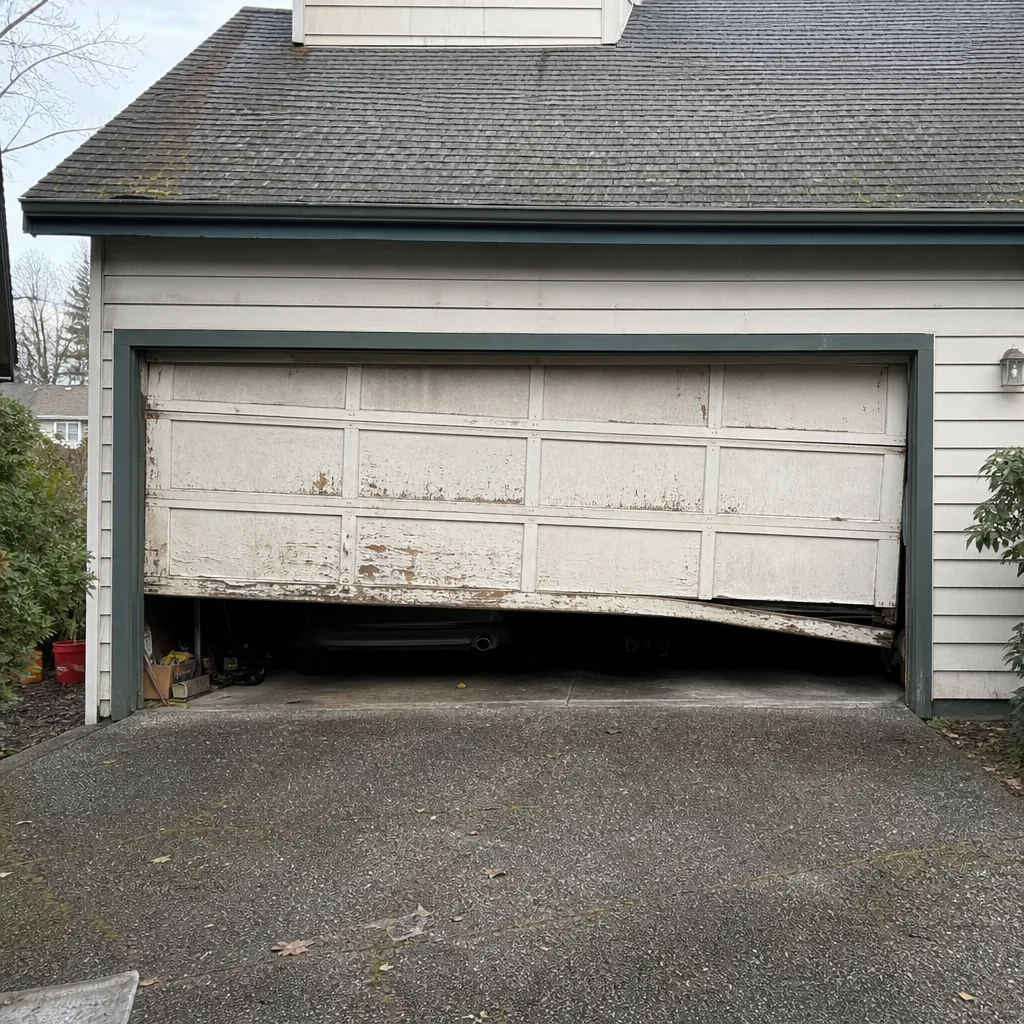 Before
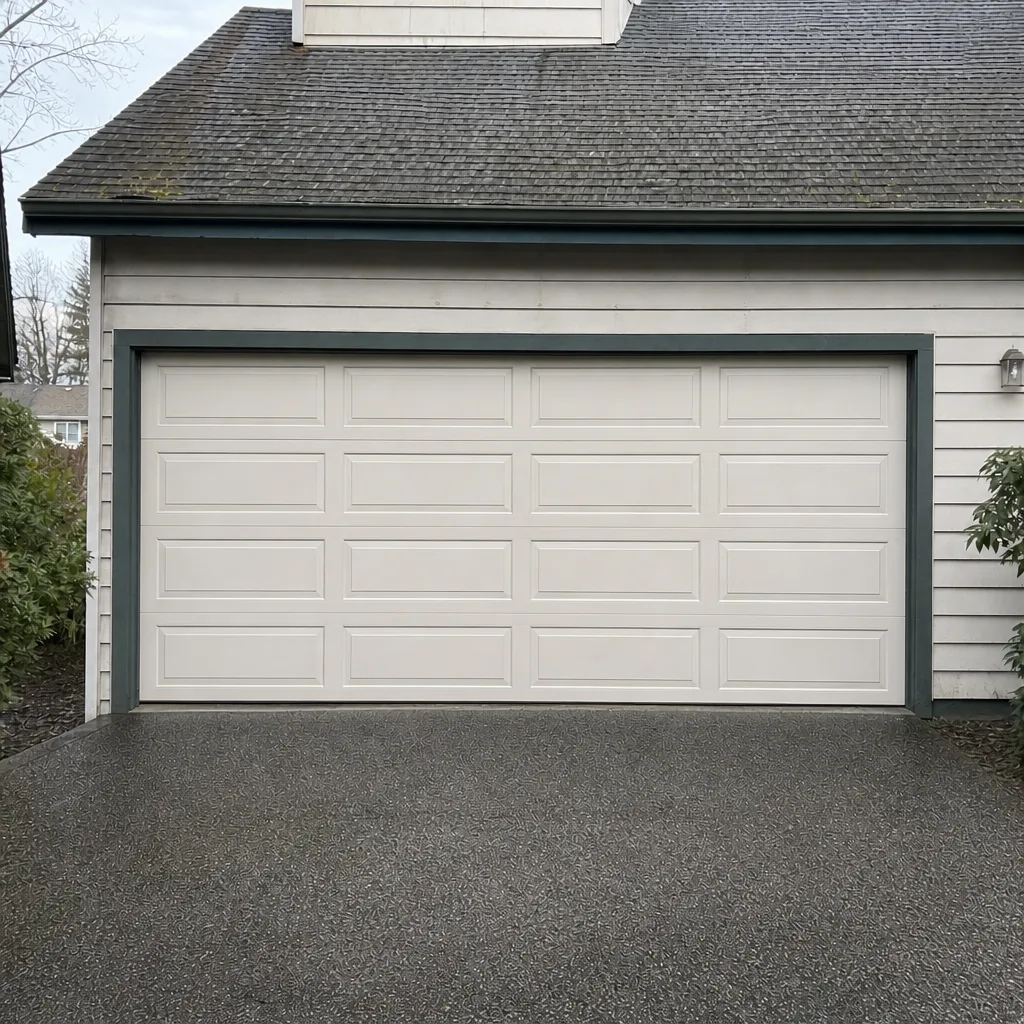 After
When to Call a Professional
Some seasonal maintenance is reasonable DIY work: lubrication, the seal compression test, the safety reverse test, and visual inspection. Other situations call for a trained technician, and the line is worth knowing.
Call a professional if: the door won’t open or close fully, the door feels heavier or runs unevenly, any cable shows fraying or kinks, the springs look rusty or you hear a loud bang from the spring area, the door has come off track, the opener doesn’t reverse on obstruction, or you’ve noticed panel gaps or bottom bracket issues that appeared over winter. Also call if you’re not sure whether a symptom is serious – diagnosing over the phone is free and prevents the wrong repair.
Issaquah Garage Door Repair Pros offers free estimates in Issaquah – call (833) 754-9516. We offer same-day service where possible and emergency service when a door is a security or safety risk. Every price is quoted and agreed before any work starts, so there’s no surprise on the invoice. And if the job is beyond repair, we handle full installation too – the same company from repair to replacement.
Frequently Asked Questions
September is the best month for the preventive work – seal inspection, cable check, and lubrication – because it’s the last stretch of reliable dry weather before the rainy season starts in October. The second-best window is July through August for refinishing and realignment. February is the most common month for emergency repairs, but that’s when scheduling is also tightest, so getting ahead in September pays off.
Typical costs vary by what’s actually needed. A standard maintenance visit that includes lubrication, a hardware check, and opener calibration is usually in the modest range. Bottom seal replacement is usually quoted separately. Spring replacement, if needed, is a bigger job – we quote it as one spring, and if both springs are replaced together as a matched pair, expect roughly double. The written estimate is the price. Call (833) 754-9516 for an exact quote – estimates are free.
Freeze-thaw cycles over the winter can shift the bottom brackets and misalign the panels, which makes the door heavier to lift even when the springs are fine. Lubrication wears down over the wet season, adding friction. Cold stiffens the door’s components. Before assuming the springs are the problem, have a technician check bracket torque, panel alignment, track plumb, and spring tension together. Replacing springs when the issue is alignment is a common and expensive misdiagnosis.
Once a year in September is enough for most Issaquah homes, but the timing matters more than the frequency. Lubricant needs to go on clean, dry hardware. Applying it in late fall or winter means it won’t adhere properly. If your door sees heavy use, a second light lubrication in summer after the wet season is worth doing.
Refinishing works best in a dry stretch with several days of clear weather, which in Issaquah means July or August. If the wood has already started to swell or the gray is widespread, refinishing won’t fix the underlying damage – the door may need repair or replacement before refinishing becomes worthwhile. A professional look will tell you which category you’re in.
Usually yes, if the door uses a matched pair. If one spring has failed, the other has seen identical wear and is likely near the end of its life too. Replacing both together means one service visit, roughly double the cost of a single spring, and no second failure in a few months. But springs aren’t always paired – single-spring setups exist – so a technician should confirm the configuration before quoting. Call (833) 754-9516 for a free estimate; the price is quoted before any work starts.
The Bottom Line
Issaquah’s garage door maintenance calendar has three anchors: September for the wet-season prep, February for the freeze-thaw fallout, and July-August for the dry-weather work. Seal replacement, cable inspection, and lubrication are the September must-dos – miss that window and you’ll be paying for it in February when service demand peaks. In spring, look for what the wet season left behind: rust patterns on bottom brackets, water stains under the door, and gaps that weren’t there before. In summer, handle refinishing, track realignment, and opener recalibration. And no matter the season, leave the springs and cables to a trained technician – those parts are unforgiving.
Issaquah Garage Door Repair Pros offers repair, opener repair, spring repair, full installation, and emergency service. Our technicians have up to 12 years of experience, and we work with the major brands so you’re not turned away for having the “wrong” door. Call (833) 754-9516 for a free estimate today.
Written by the team at Issaquah Garage Door Repair Pros.