Last updated November 20, 2026
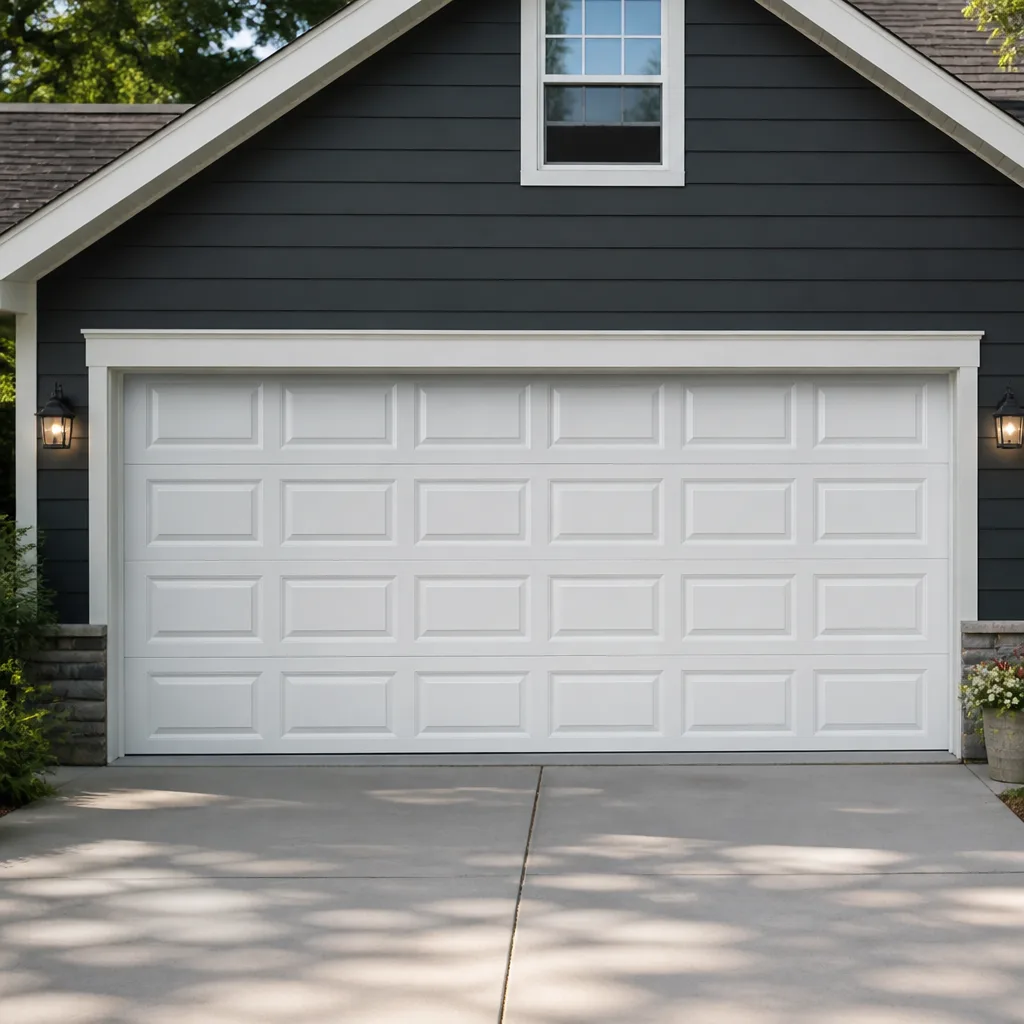 Raised-panel steel
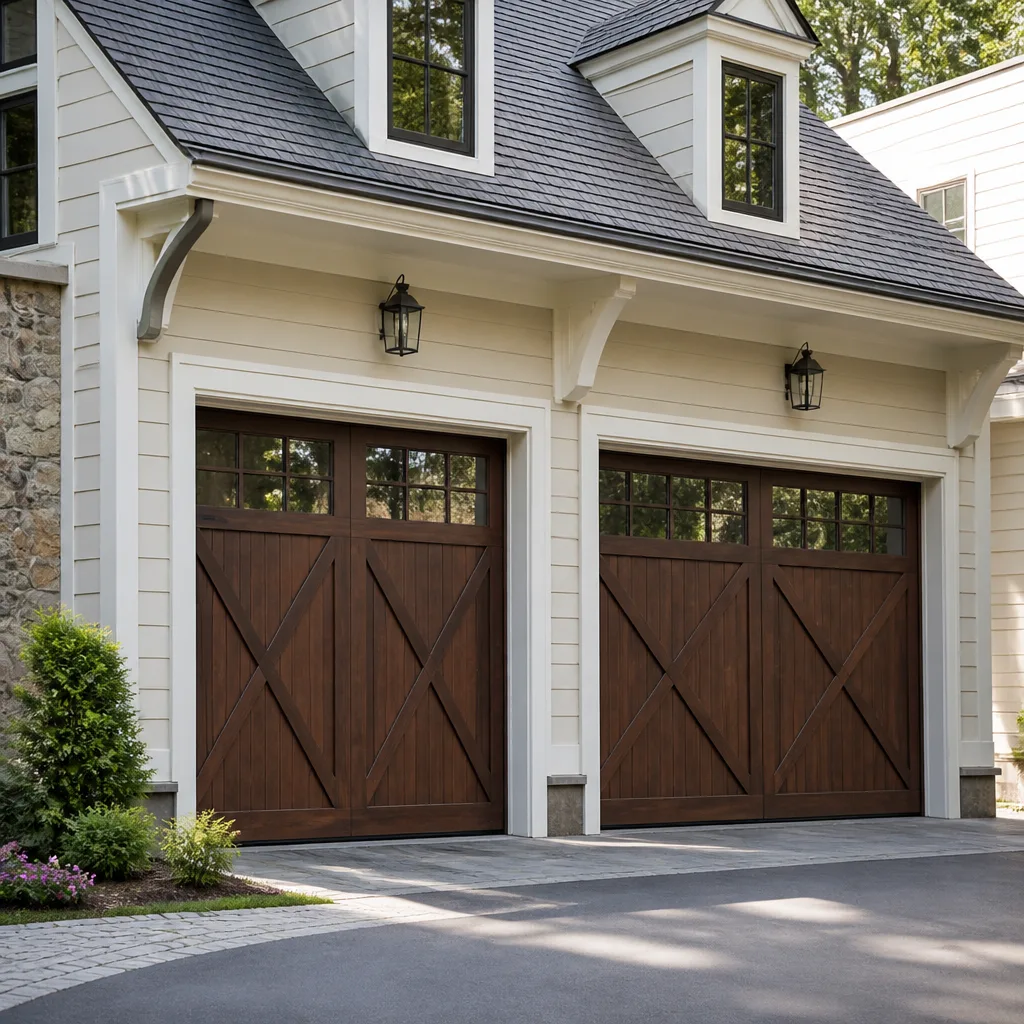 Carriage house
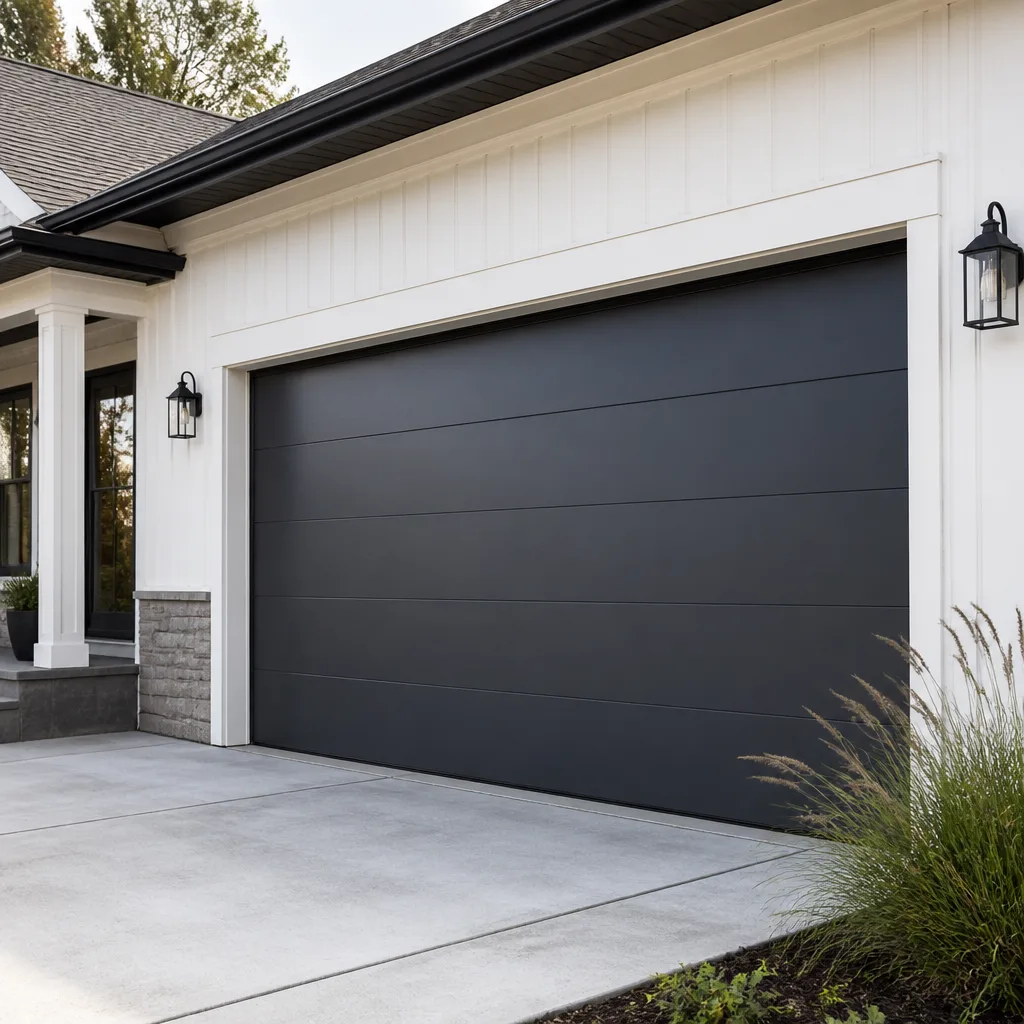 Modern flush
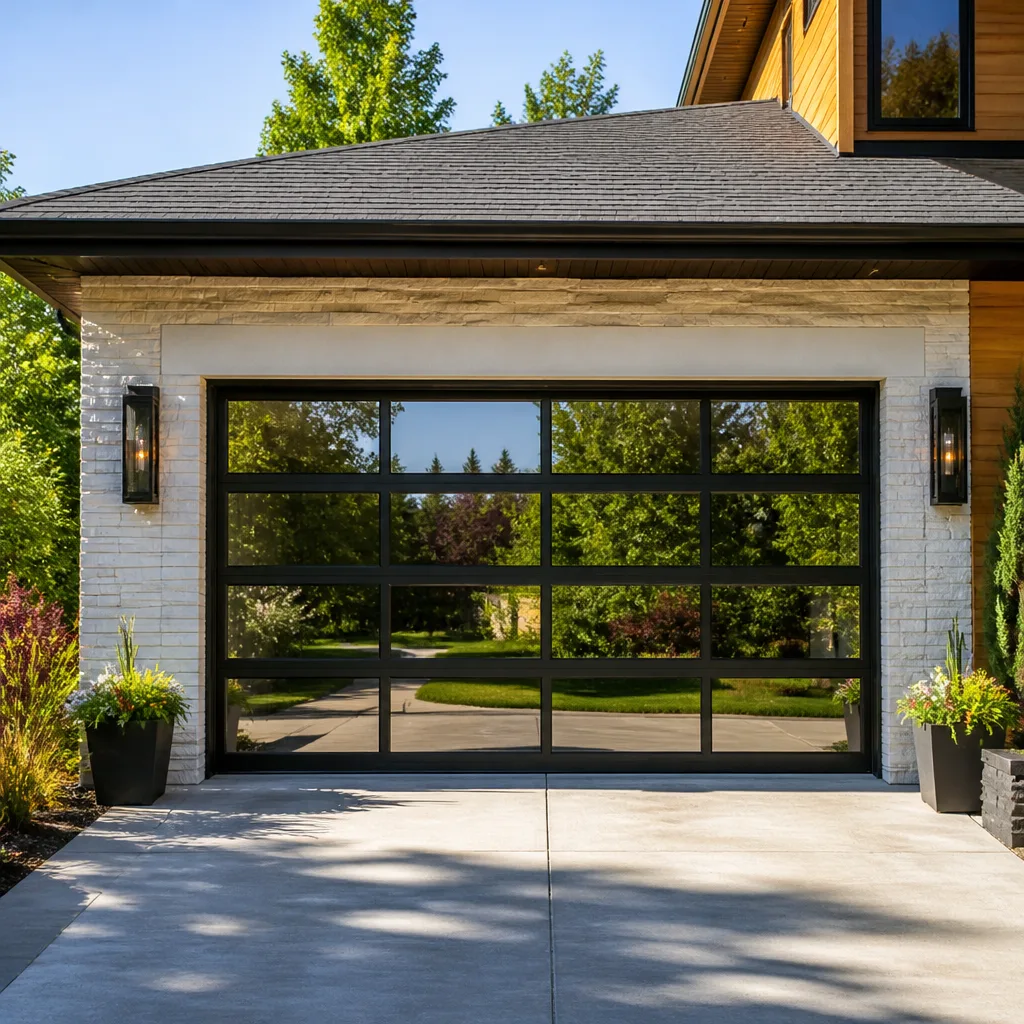 Full-view glass
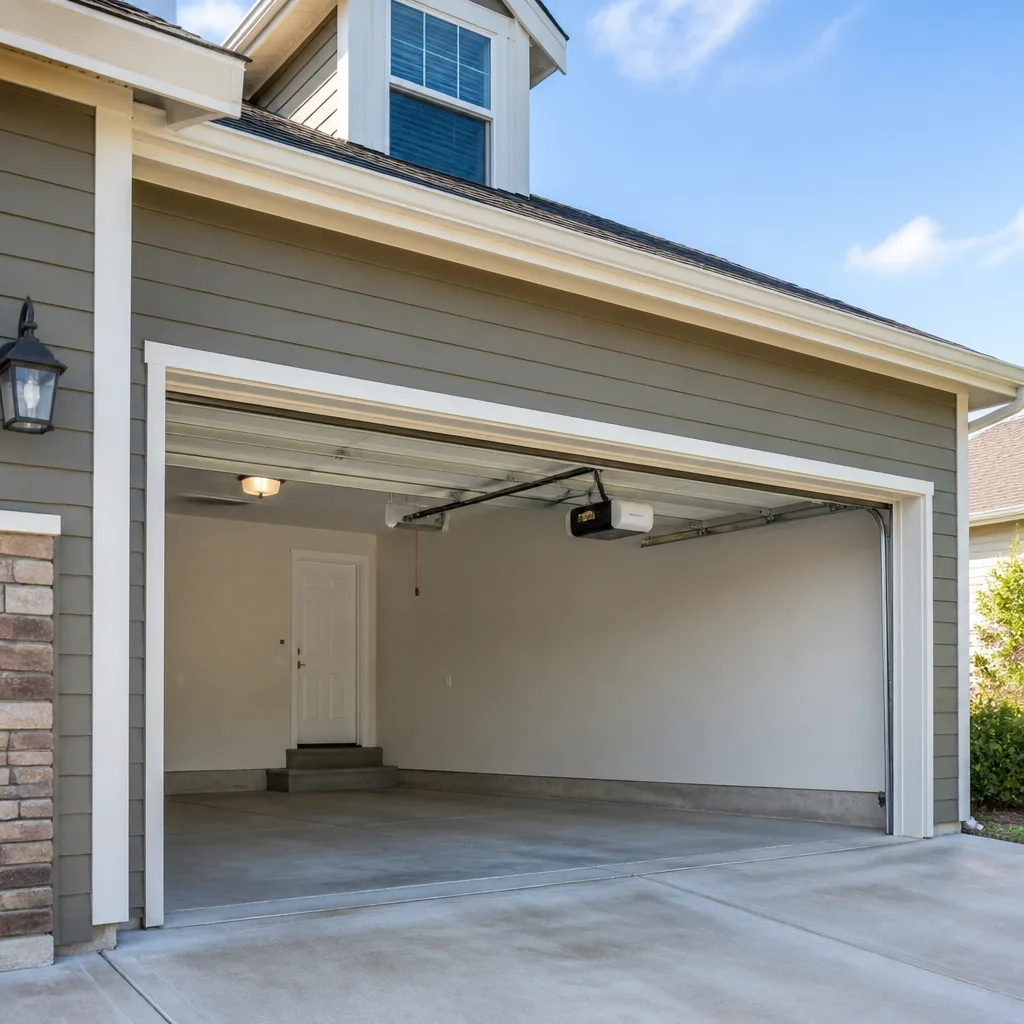 LiftMaster openers
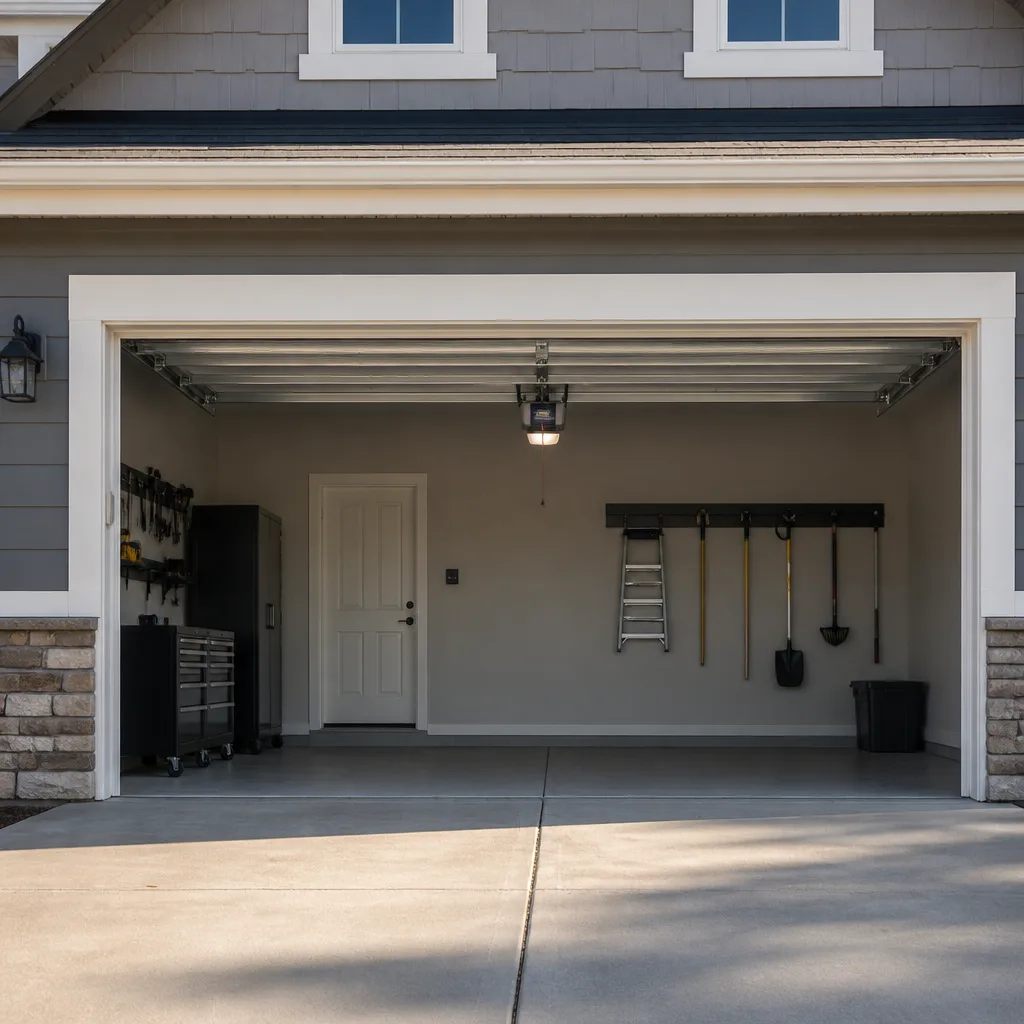 Chamberlain openers
Full 25-point door and opener safety check with every visit - springs, cables, rollers, tracks, and your LiftMaster or Chamberlain opener included
You get a price before we start. It does not change when the pro arrives.
Get your free estimateGarage Door Warning Signs: An Issaquah Homeowner’s Reference Guide
A garage door that sounds wrong is not being dramatic. It is reporting a specific part under load, and the sound tells you which part. Most sign lists stop at “your door is noisy, call someone” – which leaves you either panicking over a squeak or ignoring a rumble that ends in an off-track emergency. Here in Issaquah, where wet winters and clay-heavy soil both work on a door system, that distinction matters more than it does in a dry climate. This guide maps each symptom to its real cause and to what ignoring it actually costs. You’ll learn to read the sounds, run two quick tests in your driveway, and sort what you find into “this week” versus “stop using the door now.”
Quick Answer
The most urgent garage door warning signs are: a door that hangs unevenly or twists as it moves, any loud pop or bang followed by the door refusing to lift, a visibly broken or separated spring, and slack or frayed cables. Stop using the door and call a technician for those. Slower opening in cold weather, minor squealing, and a single rough spot can be scheduled for service this week rather than tonight. Most warning signs follow a predictable failure chain – a small adjustment deferred turns into a driven part replacement or a motor that burns out.
Styles & brands we work with
- Raised-panel steel
- Carriage house
- Modern flush
- Full-view glass
- LiftMaster openers
- Chamberlain openers
Table of Contents
- Reading the Sounds: Grinding, Popping, Squealing
- The Asymmetry Test: Spotting Cable and Track Problems Early
- Slow or Unresponsive Doors: Button, Remote, and Keypad Clues
- Pacific Northwest Warning Signs Most Lists Skip
- The Urgency Triage: This Week vs. Stop Now
- What These Repairs Typically Cost
- Common Mistakes to Avoid
- When to Call a Professional
Reading the Sounds: Grinding, Popping, Squealing
Three sounds, three different failure zones. Grinding usually comes from something metal rubbing that shouldn’t touch: a roller seized in its bracket, a track that has bent inward, or the opener’s drive gear wearing down against the carriage. Popping or banging is more serious. Sometimes it’s a cable jumping a drum; sometimes it’s the torsion spring failing in stages – a sound we still treat as urgent even when the door still raises, because the spring can unwind completely within a day or two. Squealing or high-pitched whining is the gentlest of the three: dry rollers, worn polyurethane on the roller wheels, or a torsion tube with dry bearings.
Location matters as much as pitch. A grinding that comes from directly overhead near the opener rails points to the opener drive or trolley. Grinding from the sides, near the floor, points to the bottom brackets or a bent track. A single pop with no further sound often means a roller came out of its hinge – easy to replace, but it can also mean a cable is off the drum, which is not a do-it-yourself job.
In our experience with Issaquah homes, spring pops tend to cluster in the cold snap we get each winter. Steel contracted by a cold night plus a spring already near the end of its cycle is a common precursor to failure. If you hear a pop and the door won’t lift more than a few inches, stop. That’s a broken torsion spring, and forcing the opener will burn out the motor.
If a sound is already accompanied by one of the visual signs below, don’t wait for it to worsen. A quick garage door repair visit will diagnose what’s actually under load before more parts get stressed.
The Asymmetry Test: Spotting Cable and Track Problems Early
You can spot most future emergencies from the driveway in under two minutes. Stand at the center of the opening and watch the door travel from fully up to fully down. A healthy door runs evenly from side to side. A door with a cable tension problem, a bent track, or a roller that’s come out of its bracket will visibly skew or hesitate on one side. That hesitance is often the earliest sign that a cable is fraying or a drum has slipped, and it usually precedes a full off-track event by days or weeks.
Run the test in this order:
- Watch the gap. While the door is fully closed, check that it meets the floor evenly. Daylight visible on one side and not the other suggests the door is racked or a hinge has bent.
- Watch the top panel. The top edge should stay parallel to the header as the door moves. If one corner rises before the other, look at the cables.
- Look at the cables. With the door closed, look where the cables meet the bottom brackets and follow them up the tracks. Cables should look tight and smooth. Any visible strand kink, birdcaging, or fraying means stop using the door immediately.
- Look at the tracks. The vertical and horizontal tracks should look straight from a side angle. A bend of even half an inch at a gap between sections is enough to cause rollers to bind.
- Look at the spring hardware. A torsion spring with a visible gap in its coils, a loose winding cone, or rust streaks is telling you the tension has shifted.
Tracking problems are more common here than you’d expect given our weather. Wood-framed garages in Issaquah move with seasonal moisture, and tracks bolted to framing can drift by a fraction of an inch. That’s enough to cause rollers to bind.
Slow or Unresponsive Doors: Button, Remote, and Keypad Clues
Which control isn’t working matters. The wall button, the remote, and the keypad each travel a different signal path, and a failure in one usually does not explain a failure in the others. If the wall button works but the remote doesn’t, the opener is fine – the problem is almost always the remote-style issue: a dead remote battery, a lost rolling-code pairing, or an antenna wire inside the opener that has come loose or been pinched by the light cover. If the remote works but the wall button doesn’t, suspect the button itself or the low-voltage wire running from it back to the opener. If neither works but the keypad does, the opener’s logic board is receiving signal but the opener terminal board or wiring is the issue.
If the door responds but travels slowly and stops short, that often points to a logic board problem or a force setting that’s been adjusted to compensate for a mechanical drag. A door that stops and reverses without touching anything is usually sensing resistance – a symptom of a failing torsion spring rather than an opener fault. We diagnose opener and spring problems together for exactly that reason: garage door opener repair on its own can miss a door that’s dragging against its own springs, and a door that reverses will do it again the next time.
Smart-hub compatibility adds a layer. A LiftMaster myQ or Chamberlain opener that drops off Wi-Fi while still responding to a remote is almost always a router-side issue or a newer smart hub that needs re-pairing, not a bad opener. We work with those systems, and with older Genie Aladdin setups, so a “smart” issue doesn’t need a separate contractor. Legacy opener brands including Craftsman are also part of our regular work – if you’ve had a repair quote refused elsewhere “because it’s an old Craftsman,” we know that hardware.
One warning sign that homeowners regularly miss: the opener’s LED or incandescent bulb flickering as the door runs. That’s usually an opener with a failing capacitor or a loose connection at the terminal strip. It’s cheap to fix and expensive to ignore, because a failing opener motor runs hot and eventually stops mid-travel.
Pacific Northwest Warning Signs Most Lists Skip
Issaquah’s climate stresses garage doors differently than the dry-climate checklists you’ll find on most national sites. Four signs matter here that generic guides don’t cover.
Rust streaking on the torsion spring. Our wet winters and the condensation that forms inside an unheated garage promote rust on bare steel springs. A light surface film is cosmetic. Brown-orange streaking that runs from coil to coil, or rust visible at the point where the spring meets the winding cone, is a different story – it means moisture has been sitting in the spring hardware and the spring’s cycle life is reduced. A spring that looks rusty should be inspected before it fails.
Bottom section water staining. Look at the bottom section of your door – the one nearest the floor – after a storm. Water staining, swollen wood or bubbling paint on a wood door, or visible rust on a steel bottom section from snow melt or rain splash all suggest the door’s bottom seal is no longer keeping water out. That seal also keeps the weather and small pests out of the garage. A door that passes daylight beneath it should have its bottom seal replaced.
Daylight gaps that weren’t there last spring. Seasonal ground movement – and Issaquah’s clay-heavy soil does move with moisture – can shift a garage slab relative to the door frame. A gap that appeared where there wasn’t one is often a bottom-seal issue, but it can also point to slightly shifted hinges or a door that’s no longer plumb. Either way it’s a comfort and pest-control problem before it’s a mechanical one.
Lateral creep. A door that thumps against one side of the frame when it closes is often showing early movement in one of the hinges or a track shifting in its bolts. If you’re seeing wear marks appear on one side of the frame, note it – it’s the earliest sign of track or hinge drift.
If any of these apply, a garage door spring repair visit can sort out the mechanical side. Any brand name on your door – Clopay, Amarr, Wayne Dalton – doesn’t change the diagnosis; the wear patterns are the same.
The Urgency Triage: This Week vs. Stop Now
Not every warning sign is a call-tonight sign, but the ones that are need to be treated as such. Here’s how we sort them.
Stop using the door now. Call for same-day or emergency service.
- A broken torsion spring. A spring with a visible gap in the coil, or a door that won’t lift more than a few inches by hand with the opener disconnected. Running the opener will strip the gear or damage the motor.
- Visible slack or frayed cables. Cables operate under extreme tension and can cause serious injury if they fail while you’re near them. Stay clear of the door and call.
- A door hanging unevenly or twisting as it moves. This is a racked door, and every cycle worsens it.
- A door that has come off its tracks. Do not attempt to lift or realign it. The spring is still loaded.
- A loud pop or bang followed by the door refusing to lift. Assume spring failure until proven otherwise.
- A door that has come down unexpectedly or is being held up by a jammed object. This is both a mechanical and a security problem.
Schedule service this week.
- Slow, binding, or noisy operation that still opens and closes. A spring tension adjustment, roller replacement, or track alignment.
- Grinding or squealing that only happens in cold weather. Likely stiffness in the torsion bearings or dry rollers – fixable before it turns into something worse.
- A remote that’s stopped working while the wall button still works. Usually a battery, pairing, or antenna issue.
- An opener that stops and reverses without obstruction. Likely a failing spring dragging against the motor. It’s not safe to ignore, but it’s not an emergency yet.
Monitor over the next month.
- Light surface rust on the spring. Get it inspected on your next service visit.
- Minor seal gaps. Replace the bottom seal once the weather allows.
- A single flickering opener light. Check the terminal strip connection on your next planned service.
Emergency service exists for the top list – the door still working but posing a risk to people, property, or security. We treat a jammed-open door overnight as a security concern, not a scheduling preference.
What These Repairs Typically Cost
Cost tracks the failure chain, not the symptom. A grinding roller is a small repair. A grinding roller left long enough to bind the torsion system is a much larger one. Here are typical Issaquah estimates for the common service paths:
- Roller replacement (per roller): a small fraction of the full-service ticket; usually only needed in multiples of four to six.
- Torsion spring replacement (one spring): typically in the $180-$340 range. Springs are usually replaced as a matched pair, so a pair costs roughly twice the single-spring figure.
- Extension spring replacement: priced similarly to torsion; a pair is roughly twice the single-spring figure.
- Cable replacement (per cable): a small repair when caught before the door racks; considerably more when the door has to be reset on the tracks.
- Track realignment: priced similar to a cable repair when no door damage has occurred.
- Opener gear and drive-train replacement: priced by opener model and the specific part; a gear replacement usually runs less than a new opener installation.
- Opener replacement (whole unit): typically in the $350-$700 range depending on model and belt-chain type.
- Bottom seal replacement: a small repair; price depends on door width.
Every one of these is quoted and agreed before any work starts. If a technician gets to the door and finds a second issue, they price it back to you before they touch it. The written estimate sets the final price.
If you want a full mobile-friendly quote, call (833) 754-9516 – estimates are free. For full-service scopes, including a new door, we offer the same walkthrough: a free measure, a written price, and a scheduled install rather than an urgent dispatch. If you’re comparing whole doors, Working across Clopay, Amarr, Wayne Dalton, and Raynor means your quote isn’t limited to one brand’s distribution.
Common Mistakes to Avoid
- Bumping the opener’s force setting to get past a drag. A “force” adjustment on the opener tells the motor to push harder through resistance. It doesn’t fix the resistance. It usually masks a failing spring until the motor itself fails. Skip it and diagnose the source.
- Greasing the tracks. Track lubrication attracts dust and grit, turning into a grinding paste. The rollers’ bearings and the torsion tube are what need attention, and they need the right lubricant, not a general-purpose oil.
- Assuming a slow door is a motor problem. A motor that’s working harder than it should feels weak. In this climate, slow operation in cold weather is far more often a spring tension or balance issue than a failing opener.
- Pulling a door off the track to “have a look.” A torsion spring is under heavy tension even when the door is up. Do not attempt to unhook cables or springs yourself. The risk of serious injury is real, and a door left unsupported can fall.
- Replacing a single spring. Springs wear together. Replacing just the broken one means the older one is next, and that usually happens within a few months. A matched pair is the standard repair.
- Ignoring a small bottom-seal gap. Here, that keeps rain splash and pest access out of the garage. A missing or worn seal that lets water reach the bottom section of the door is expensive to repair later.
- Assuming only newer openers can be serviced. Legacy Craftsman openers and older LiftMaster or Genie units are all part of our regular work. If a repair was refused elsewhere because of the brand, get a second opinion before replacing a working system.
See the difference
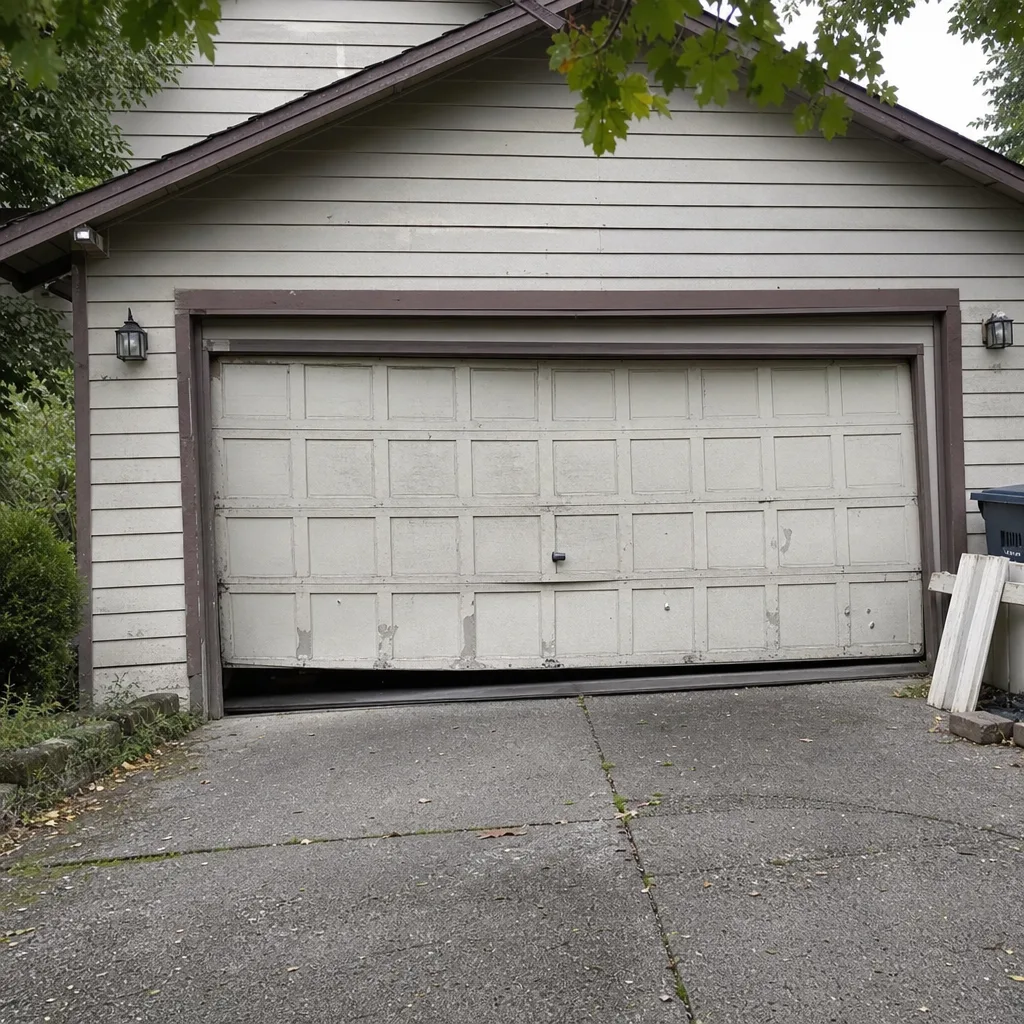 Before
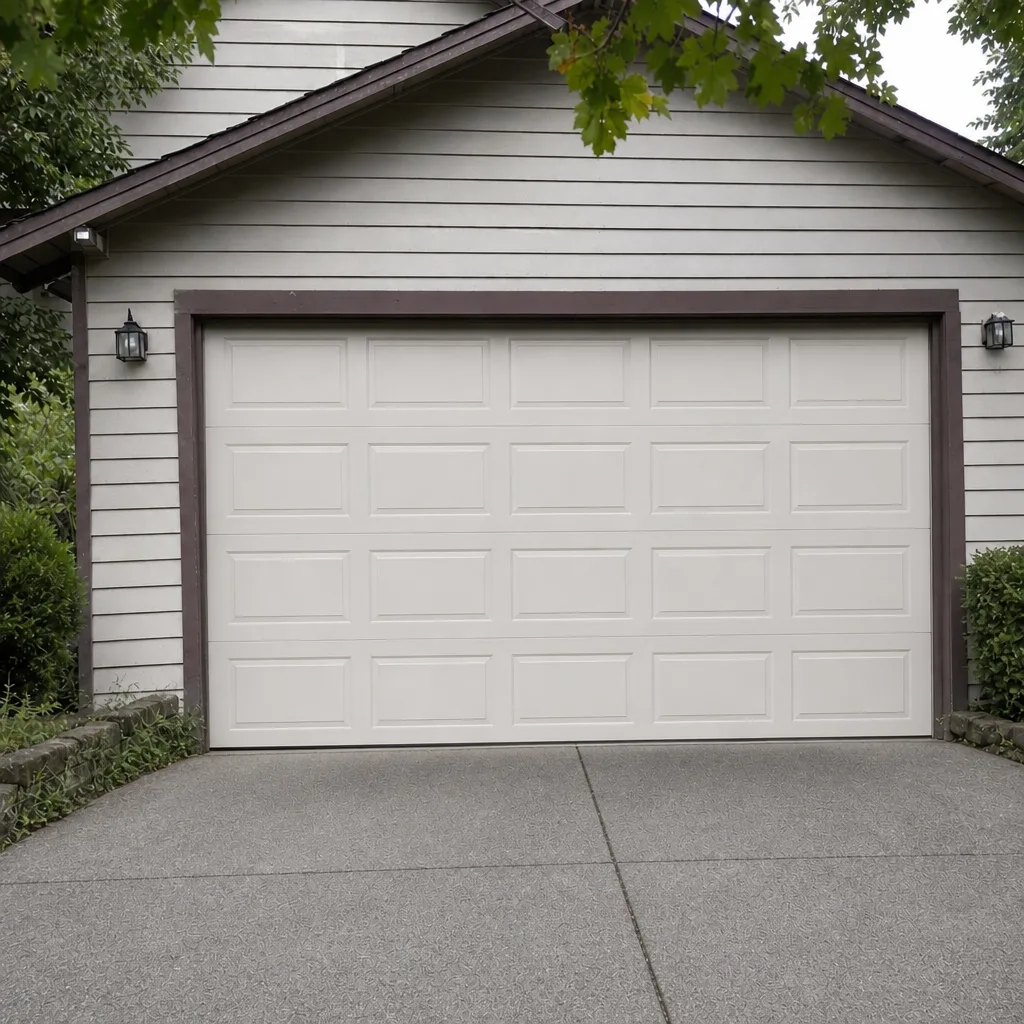 After
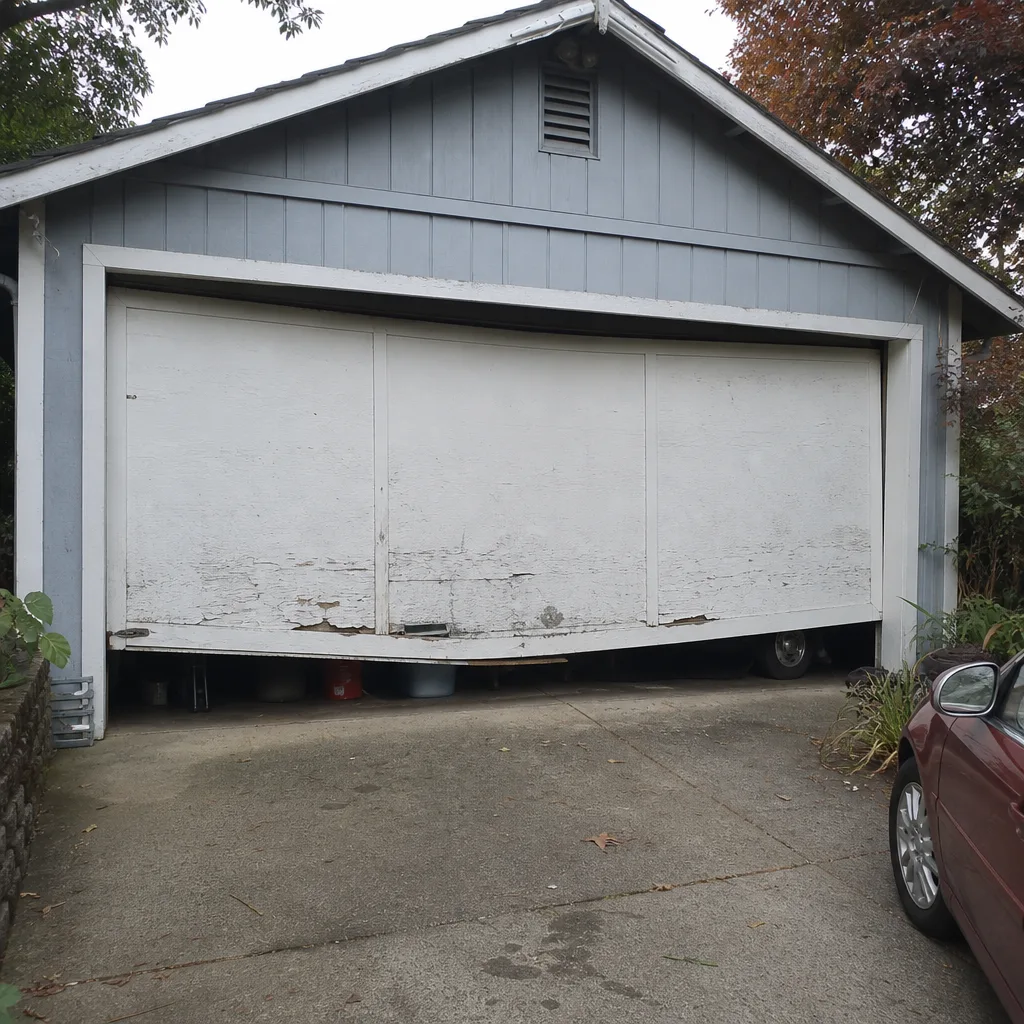 Before
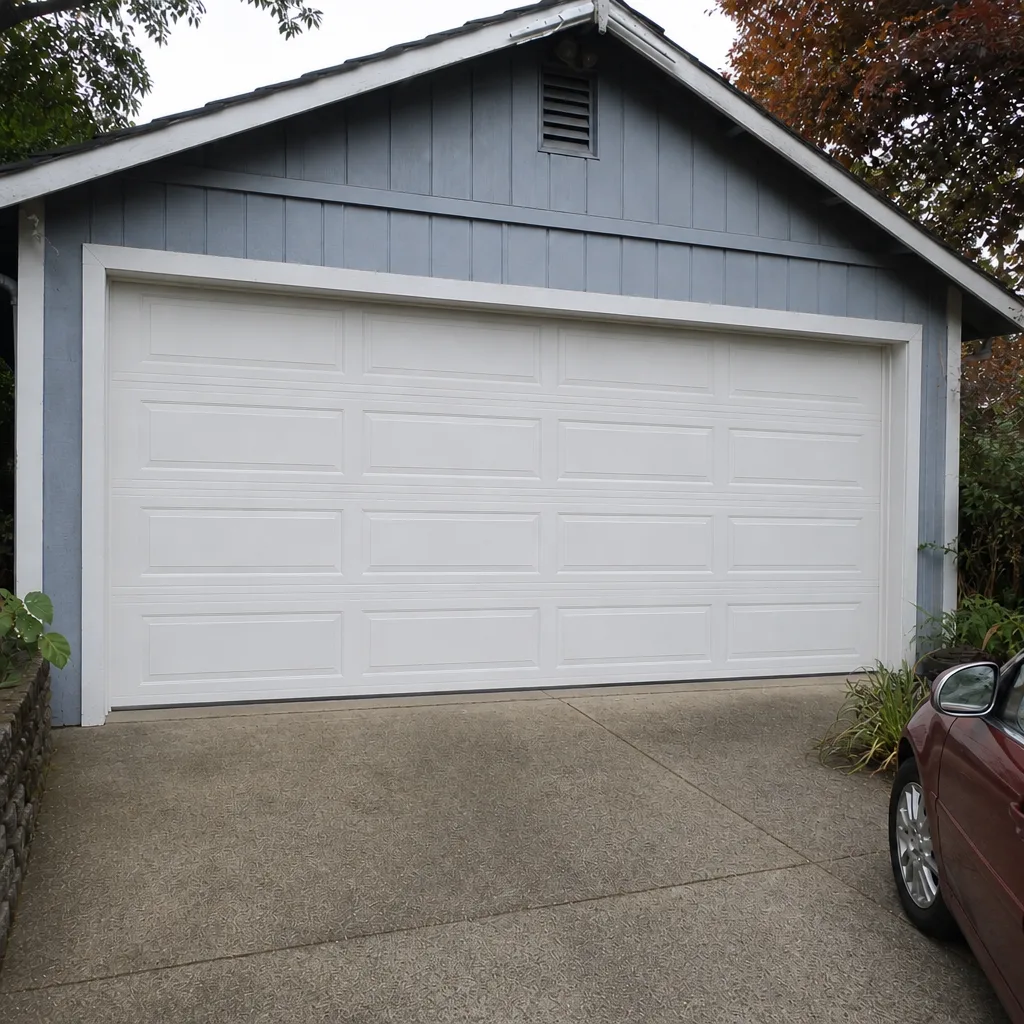 After
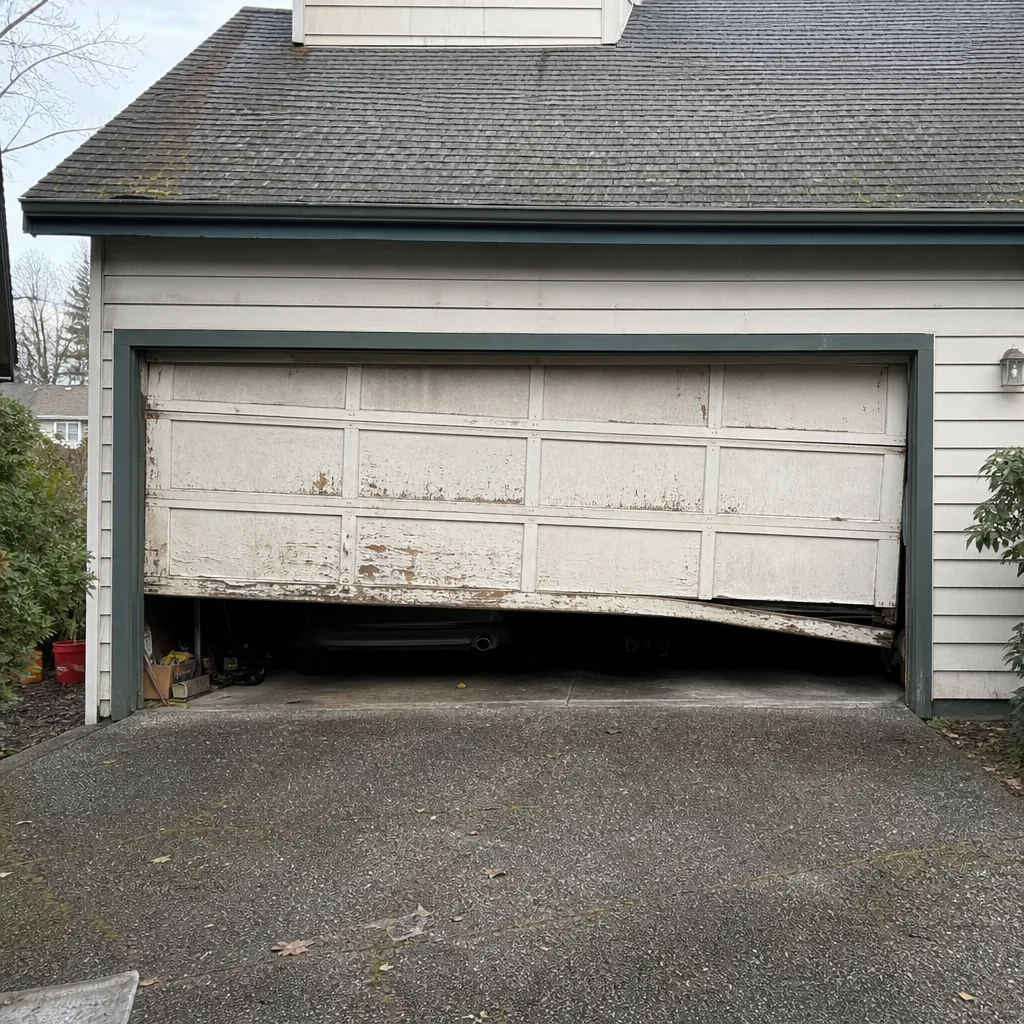 Before
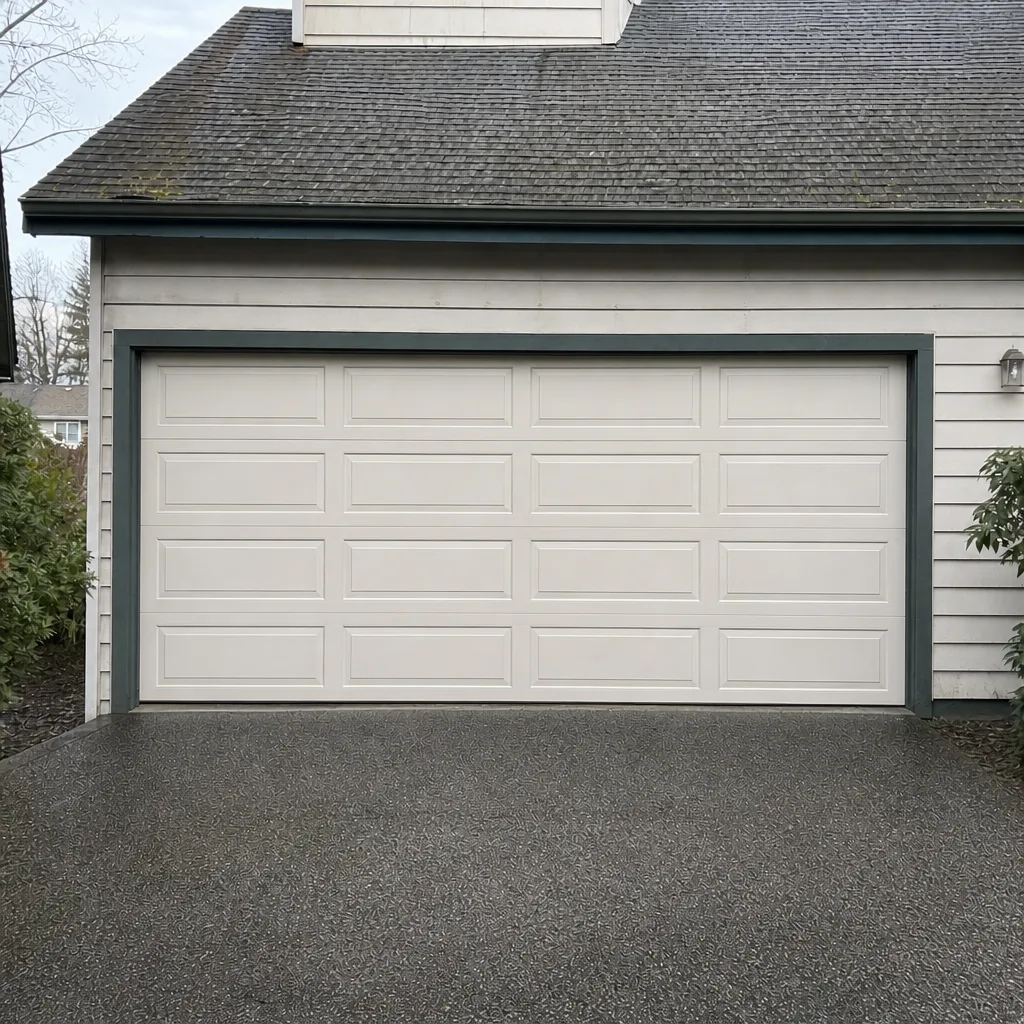 After
When to Call a Professional
Call immediately if you see a broken spring, a frayed or slack cable, a door hanging on an angle, a door off its tracks, or a door that has failed with a loud pop. Call the same day if a door reverses on its own without obstruction, stops partway through travel, or if a remote stops working while the wall button remains functional. Schedule a visit this week if the door is noisy, slow, or you’re seeing daylight at the bottom that wasn’t there last season. And if you’re seeing rust streaking on the spring or water staining at the bottom section, don’t wait for the winter snap. Issaquah Garage Door Repair Pros offers free estimates in Issaquah – call (833) 754-9516. Our technicians have up to 12 years of experience, we’re trained on the major door and opener brands, and one call covers repair through full installation.
Frequently Asked Questions
Grinding almost always means metal-on-metal contact somewhere under load. It’s most often a seized roller bearing, a bent section of track, or a worn opener drive gear. The location of the sound tells you which: overhead near the opener rails points to the opener, and near the sides or floor points to rollers or tracks. We’d want to look at it before it turns a seized roller into a bent torsion tube. Call (833) 754-9516 for an exact quote – estimates are free.
Yes, but not usually the problem homeowners assume. It’s typically not the motor – it’s a spring that’s lost tension, forcing the opener to carry extra load. Left long enough, that burns out the drive gear. It’s a small spring tension adjustment now versus a drive-train replacement later, so we’d recommend scheduling it on the next visit.
Watch the door from the driveway with the opener disconnected and the door running manually. A bent track will cause the door to hesitate or bind on one side, and the rollers will often ride unevenly in the track gap. A straight edge or level laid flat against the side of the vertical track helps. If the hesitation is pronounced, avoid opener operation until it’s looked at.
That pattern almost always comes down to the remote itself, the opener’s antenna, or a lost rolling-code pairing – the opener’s main control circuit is usually fine, because the wall button still reaches it. Try a fresh battery first. If that doesn’t work, the antenna wire or the pairing is next. If neither works, the remote itself may have failed.
Moisture doesn’t crack steel springs directly, but the condensation that forms on a bare steel spring in an unheated garage allows surface rust, which reduces cycle life. Rusty streaks running along a spring’s coils are worth a look. If you’re seeing brown-orange rust rather than light surface film, get it inspected before the next winter cycle.
No – your price is quoted and agreed before any work starts. If we find an additional issue during the visit, we price it separately and you approve it before it’s done. The written estimate sets the final price. Call (833) 754-9516 for a free estimate.
Both, in almost every case. Torsion and extension springs wear at the same rate. Replacing just the broken one means the other spring is on borrowed time and usually fails within months. A matched pair is the standard repair and costs roughly twice the single-spring figure – not a surprise, just the correct number.
What makes a sign urgent enough for emergency service?
A broken spring, an off-track door, a frayed or slack cable, a door hanging on an angle, or any situation where a door jammed open overnight leaves the garage unsecured. Those warrant same-day or emergency service. A noisy but functioning door is a schedule-this-week call. If you’re not sure which bucket your sign falls in, call and describe what you’re hearing and seeing – we can help you decide.
The Bottom Line
Garage doors fail in a sequence, not at random. The sound you hear, the visual asymmetry you spot in the driveway, and the specific control that stops working all point to a specific component – and the difference between a small repair and a large one is usually how long the sign is ignored. Read the sounds, run the asymmetry test, look at the spring for rust after each wet season, and sort what you find into “this week” or “stop now.” If you’re unsure which bucket your door is in, get a free estimate in Issaquah. Our technicians have up to 12 years of experience across the major door and opener brands, and one call covers repair through full install. Call Issaquah Garage Door Repair Pros at (833) 754-9516 to book a same-day, emergency, or scheduled visit. Whether you’re comparing a full replacement with the top brands or simply need a spring inspected before the next cold snap, we’ll look at it, explain what we find, and quote it before we touch it. If you’re ready to get started, start with Issaquah Garage Door Repair Pros – we’re the specialist who works on your brand.
Written by the team at Issaquah Garage Door Repair Pros.